Brown Pelicans and Magnificent Frigatebirds in Los Haitises: How to Recognize These Coastal Birds
A boat journey through Los Haitises National Park offers more than views of limestone islands, mangrove channels and sheltered coastal waters. It also provides opportunities to observe some of the Caribbean's impressive coastal birds. Two especially recognizable species are the Brown Pelican (Pelecanus occidentalis) and the Magnificent Frigatebird (Fregata magnificens).
Both species are included in the Los Haitises National Park bird checklist, and the Dominican Republic's official tourism website specifically mentions pelicans among the birds visitors may encounter in the park. Their large silhouettes make them interesting subjects for wildlife photography, but their feeding strategies are very different.
Brown Pelicans are famous for plunging into the water to catch fish with their expandable throat pouches. Magnificent Frigatebirds are remarkable aerial specialists that spend long periods soaring over tropical waters and can obtain food by snatching prey from the surface or stealing meals from other seabirds.
Understanding these birds adds another dimension to exploring Los Haitises from Sabana de la Mar. It also helps visitors appreciate the relationship between coastal waters, mangroves, fish populations and birdlife.
Which Pelicans and Frigatebirds Can Be Found in Los Haitises?
The two species discussed in this guide are:
- Brown Pelican (Pelecanus occidentalis): A large coastal bird with a long bill and expandable throat pouch. It is a skilled swimmer and plunge-diver.
- Magnificent Frigatebird (Fregata magnificens): A large seabird with long angular wings and a deeply forked tail. It is known for soaring and its unusual food-stealing behavior.
Both species appear on the Avibase checklist for Los Haitises National Park.
The checklist is useful for confirming documented regional bird records, but it should not be interpreted as a guarantee that every species will be visible during every excursion. Wildlife observation depends on location, conditions and the natural behavior of the birds.
Brown Pelican: The Coastal Bird with the Giant Throat Pouch
The Brown Pelican is one of the easiest large coastal birds to recognize. Its heavy body, long neck and oversized bill create a distinctive silhouette.
Its most recognizable feature is the expandable throat pouch attached to its lower bill. This structure helps it catch fish and temporarily hold water while feeding.
Adult birds generally have gray-brown bodies, long bills and pale or yellowish head coloring that changes with age and breeding condition. Their appearance can vary, so identification should consider the whole bird rather than relying on one color feature.
How Does the Brown Pelican Catch Fish?
The Brown Pelican has a feeding technique that is particularly interesting to watch.
It searches for fish while flying over coastal waters. When it detects suitable prey, it may dive head-first into the water from above.
The impact helps stun or disorient small fish. The pelican then uses its expandable pouch to scoop up prey and water. It drains the water before swallowing its catch.
This behavior is known as plunge-diving.
Not every feeding attempt is successful. Fish can escape, and pelicans may need to make repeated attempts before catching enough food.
Where Do Brown Pelicans Rest?
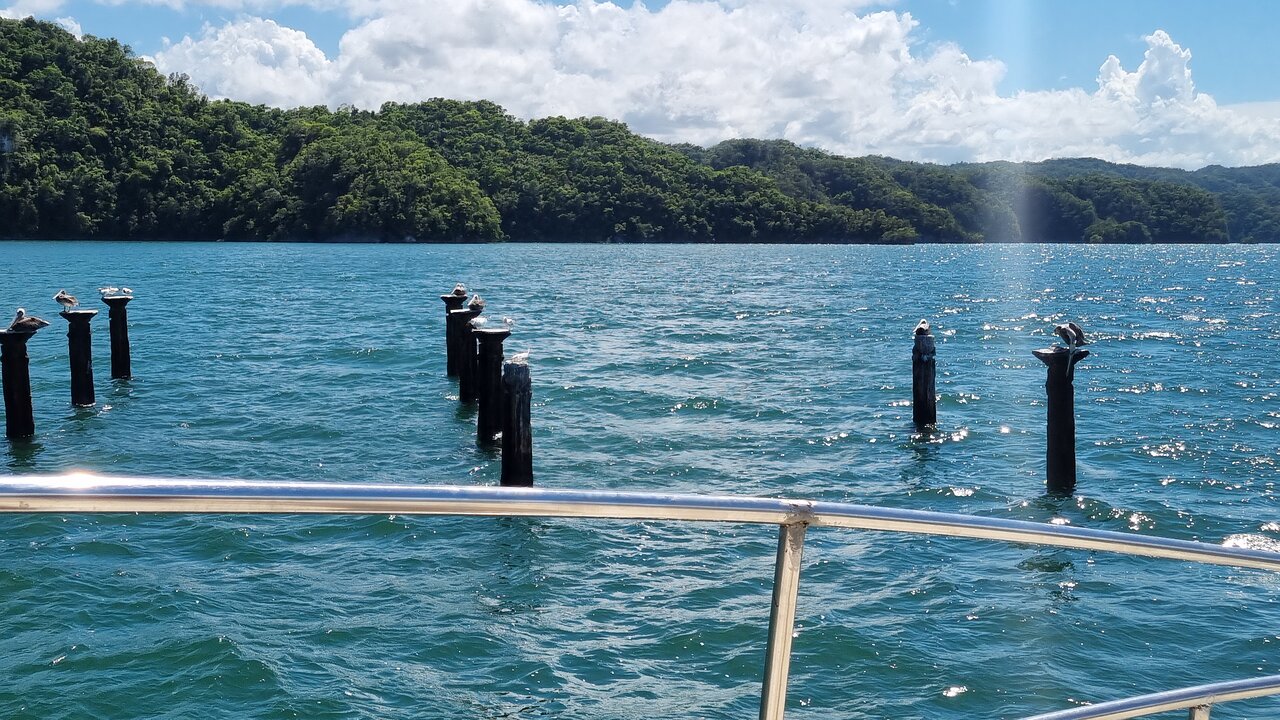
Brown Pelicans use coastal areas for feeding and resting. Depending on the location, they may rest on:
- Sandbars
- Coastal rocks
- Exposed branches
- Mangrove islets
- Natural shoreline structures
- Other suitable resting sites near water
In Los Haitises, the combination of coastal waters, mangroves and small islands creates a landscape in which visitors may encounter coastal birds.
However, the presence of suitable habitat does not mean every shoreline or mangrove island is a nesting site. Visitors should avoid approaching birds or entering restricted areas to investigate possible colonies.
Magnificent Frigatebird: The Master of Tropical Soaring
The Magnificent Frigatebird is another impressive coastal species in Los Haitises. It is particularly recognizable by its long wings, narrow body and deeply forked tail.
Unlike the Brown Pelican, which often makes dramatic dives into the water, the frigatebird is adapted to spending long periods in the air.
Its broad wings allow it to use rising air currents and coastal breezes to remain airborne with relatively little effort.
How to Identify a Magnificent Frigatebird
Several features help distinguish it from other large birds flying over the bay:
Long angular wings: Its wings are narrow and extended, giving it a distinctive silhouette.
Deeply forked tail: The tail helps the bird steer during flight.
Hooked bill: Its long bill ends in a hooked tip.
Mostly dark plumage: Adult males are predominantly black and have a red throat pouch that becomes inflated during courtship.
Female appearance: Adult females have a dark head and a noticeable white breast.
Young birds can show extensive white on the head and underparts, so their appearance may differ significantly from adults.
When watching birds from a boat, the combination of a forked tail and long, angular wings is especially useful for identification.
Why Do Frigatebirds Steal Food from Other Birds?
One of the most unusual behaviors of the Magnificent Frigatebird is called kleptoparasitism.
The term describes an animal obtaining food by stealing it from another animal.
Frigatebirds may follow seabirds carrying recently caught fish. They then chase or harass the other bird until it drops or regurgitates its food. The frigatebird attempts to catch the meal before it reaches the water.
This behavior has earned frigatebirds the informal reputation of pirates of the sky.
However, stealing food is not their only feeding strategy. They also catch food themselves, including fish and squid taken from near the water's surface.
Their long wings and efficient soaring abilities help them search large areas without constantly flapping.
Why Do Frigatebirds Avoid Landing on the Water?
Although frigatebirds are associated with the ocean, they rarely settle on the water.
Unlike many other seabirds, they lack the waterproof plumage needed for regular floating and diving. Their feeding behavior is adapted to taking prey from the surface rather than submerging their bodies.
This explains why a frigatebird may spend hours flying over the bay while a pelican nearby repeatedly lands on the water.
The two species share coastal environments but use very different physical adaptations to find food.
Brown Pelican vs. Magnificent Frigatebird: Key Differences
These two birds can sometimes be observed in the same general coastal environment, but their shapes and behavior make them relatively easy to distinguish.
FeatureBrown PelicanMagnificent FrigatebirdScientific namePelecanus occidentalisFregata magnificensMain appearanceHeavy body and long billLong wings and forked tailFeeding methodPlunge-dives for fishTakes prey from the surface and may steal foodThroat featureExpandable throat pouchMale has inflatable red throat pouchFlight styleStrong wingbeats and glidingExtended soaring with little flappingWater behaviorSwims and rests on waterRarely lands on waterMain foodMostly fishFish and other marine prey
Observing these differences can make a coastal birdwatching experience more rewarding, even for visitors who have never studied birds before.
Why Are These Birds Important to the Los Haitises Coastal Ecosystem?
Brown Pelicans and Magnificent Frigatebirds are part of the larger coastal food web.
Their lives depend on the availability of marine prey, suitable resting or nesting areas and healthy coastal environments.
Their Connection to Fish Populations
Both species depend heavily on fish, although they obtain food in different ways.
Brown Pelicans catch fish through plunge-diving. Magnificent Frigatebirds take prey from the surface and sometimes steal food from other seabirds.
Their feeding activities connect them to fish populations and the broader marine food web.
Their Connection to Mangroves and Coastal Islands
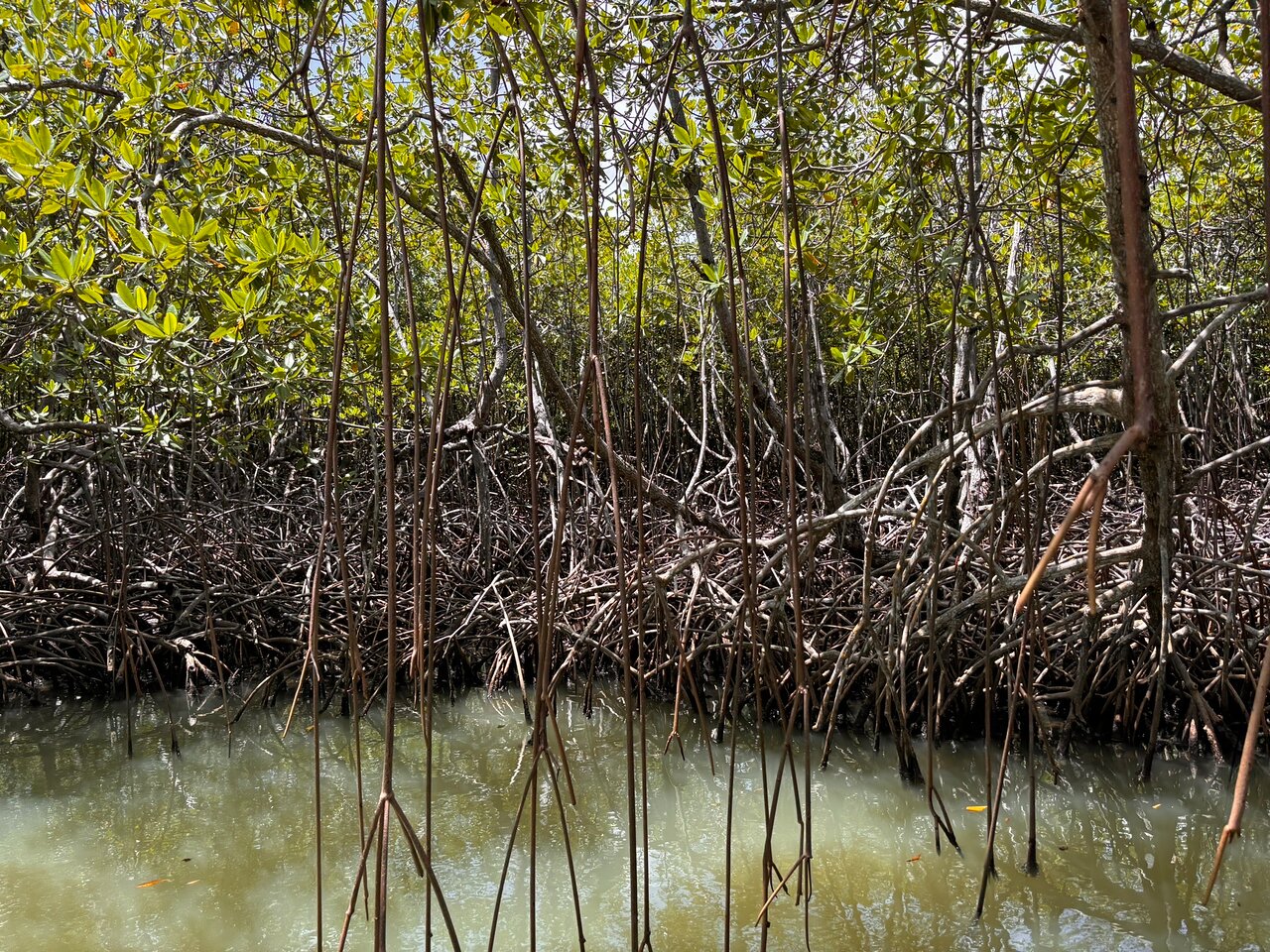
Mangroves are important habitats for many coastal organisms. They provide shelter and nursery areas for fish and invertebrates, while their branches and surrounding waters can support different bird species.
Magnificent Frigatebirds use mangrove cays and low vegetation on islands as nesting and roosting habitat in parts of their range.
Brown Pelicans also use coastal islands and other suitable sites for resting and nesting.
The official Dominican Republic tourism description of Los Haitises highlights mangroves, coastal islands and bird colonies as important features of the park's landscape.
These habitats should be protected from unnecessary disturbance, especially where birds gather to rest or reproduce.
Where Can Visitors Look for Coastal Birds in Los Haitises?
Visitors exploring Los Haitises by boat may have opportunities to observe birds along the coastal landscape.
Rather than searching for a single guaranteed location, it is useful to pay attention to different types of habitat.
Coastal Waterways
Open water can provide opportunities to observe pelicans searching for fish and frigatebirds soaring overhead.
Watch the water surface for feeding activity. A pelican may suddenly dive, while a frigatebird may glide above the same area without touching the water.
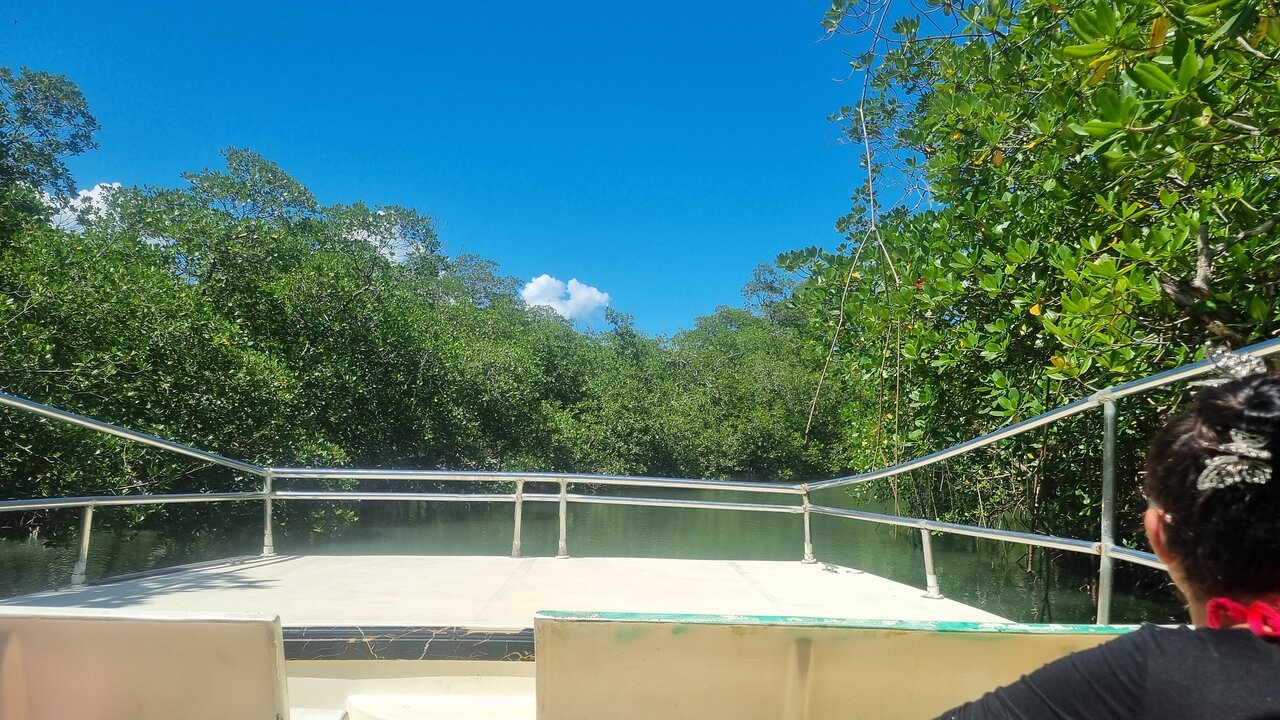
Mangrove Channels
Mangrove channels create a different environment from open coastal waters. Their vegetation and sheltered waterways support a variety of wildlife.
Visitors may notice birds resting near the edges of the mangroves or flying between different parts of the coastal landscape.
Do not approach nesting or resting areas simply to obtain a closer photograph.
Limestone Islands and Coastal Edges
The limestone formations of Los Haitises rise above the surrounding water and create a distinctive landscape.
Birds may be visible flying around these formations or moving between nearby coastal habitats. The exact species encountered will vary.
A pair of binoculars can help visitors observe birds without getting too close.
Best Ways to Photograph Pelicans and Frigatebirds
These birds are excellent subjects for wildlife photography because their different flight and feeding behaviors create interesting photographic opportunities.
Photographing Brown Pelicans
For pelicans, consider:
- Capturing their flight just above the water.
- Photographing their plunge-diving behavior from a respectful distance.
- Using a faster shutter speed to freeze the moment of impact.
- Looking for reflections when a bird rests on calm water.
- Including the surrounding mangrove or coastal landscape for context.
A photograph of a pelican with its throat pouch expanded can also show one of the species' most distinctive adaptations.
Photographing Magnificent Frigatebirds
For frigatebirds, try:
- Capturing the deeply forked tail against the sky.
- Photographing their long wings during soaring flight.
- Looking for the male's red throat pouch when it is inflated.
- Capturing silhouettes during suitable natural lighting.
- Using continuous autofocus for moving birds.
Do not approach a bird colony, use drones near wildlife or disturb birds to improve a photograph.
Responsible Birdwatching in Los Haitises
Los Haitises is a protected natural area, and wildlife observation should always respect conservation priorities.
The best way to enjoy coastal birds is to watch them without interfering with their behavior.
Follow these guidelines:
- Observe birds from permitted boat routes and visitor areas.
- Keep a respectful distance from resting and nesting birds.
- Avoid loud noises that may cause birds to leave their habitat.
- Never feed wild birds.
- Do not use recorded calls to attract birds repeatedly.
- Avoid disturbing mangrove vegetation.
- Follow your guide's instructions and park regulations.
- Use binoculars or camera zoom instead of approaching wildlife.
Responsible tourism helps protect the habitats that make Los Haitises an important destination for nature lovers.
When Is the Best Time to See Pelicans and Frigatebirds?
Both species are included in the Los Haitises bird checklist, but that does not establish a guaranteed viewing schedule for visitors.
Bird activity changes according to feeding conditions, weather, tides and other natural factors.
Rather than promising a particular time or location, visitors should remain attentive throughout their boat journey.
Pelicans may be noticeable when they fly low over the water or dive for fish. Frigatebirds can be easier to notice when they soar high above coastal areas.
A knowledgeable guide can help identify birds when they appear, although no guide can guarantee that a particular species will be visible on a given trip.
Explore Los Haitises from Sabana de la Mar
Sabana de la Mar is an important access point for visitors exploring the eastern side of Los Haitises. A boat excursion provides a different perspective on the park's mangroves, limestone formations and coastal birdlife.
If you are planning a visit, confirm the departure location, itinerary, duration and other arrangements with your chosen operator before booking.
For travelers interested in nature, photography or birdwatching, learning about Brown Pelicans and Magnificent Frigatebirds can make the journey more engaging.
The most rewarding experience is not necessarily seeing a large number of birds. It is understanding how different species use the same coastal environment in different ways.
Frequently Asked Questions
Are Brown Pelicans found in Los Haitises National Park?
Yes. Brown Pelicans appear on the available Los Haitises National Park bird checklist. The Dominican Republic's official tourism website also mentions pelicans among the birds visitors may see in the park.
Are Magnificent Frigatebirds found in Los Haitises?
Yes. The Magnificent Frigatebird is included in the available park bird checklist.
What do Brown Pelicans eat?
Brown Pelicans mainly eat fish, especially small fish found near the water's surface. They catch prey by plunge-diving and using their expandable throat pouch.
Why do Magnificent Frigatebirds steal food?
Frigatebirds sometimes chase other seabirds until they release recently caught food. This behavior is called kleptoparasitism. They also catch prey independently.
Why do frigatebirds rarely land on water?
Their feathers are not sufficiently waterproof for regular floating and diving. They are adapted to soaring and taking food from the water's surface.
How can I tell a pelican from a frigatebird?
A Brown Pelican has a heavy body and a large bill with an expandable pouch. A Magnificent Frigatebird has long angular wings, a narrow body and a deeply forked tail.
Can I photograph these birds during a Los Haitises boat tour?
You may have opportunities to photograph coastal birds during an excursion, but sightings and photographic conditions cannot be guaranteed. A camera with a suitable zoom can be helpful.
Are these birds important to the coastal ecosystem?
Yes. Both species are part of the marine food web and depend on healthy coastal habitats and prey populations.
Discover the Coastal Wildlife of Los Haitises
Brown Pelicans and Magnificent Frigatebirds demonstrate how different bird species can share the same coastal environment while using very different feeding and flight strategies.
The pelican's dramatic plunge-diving and the frigatebird's effortless soaring are two memorable examples of Caribbean wildlife behavior.
When you explore Los Haitises from Sabana de la Mar, take time to look beyond the limestone formations and mangrove channels. The birds flying over the water are an important part of the park's natural story.
Choose responsible excursions, follow local guidance and enjoy the wildlife without disturbing the habitats that support it.
Local explorer & expert guide in Birding Dominican Republic.