Los Haitises National Park: A Guide for International Visitors (2027)
The Dominican Republic is famous for its beautiful beaches, tropical resorts, and Caribbean atmosphere. However, international visitors who want to discover something beyond traditional beach holidays should consider exploring Los Haitises National Park.
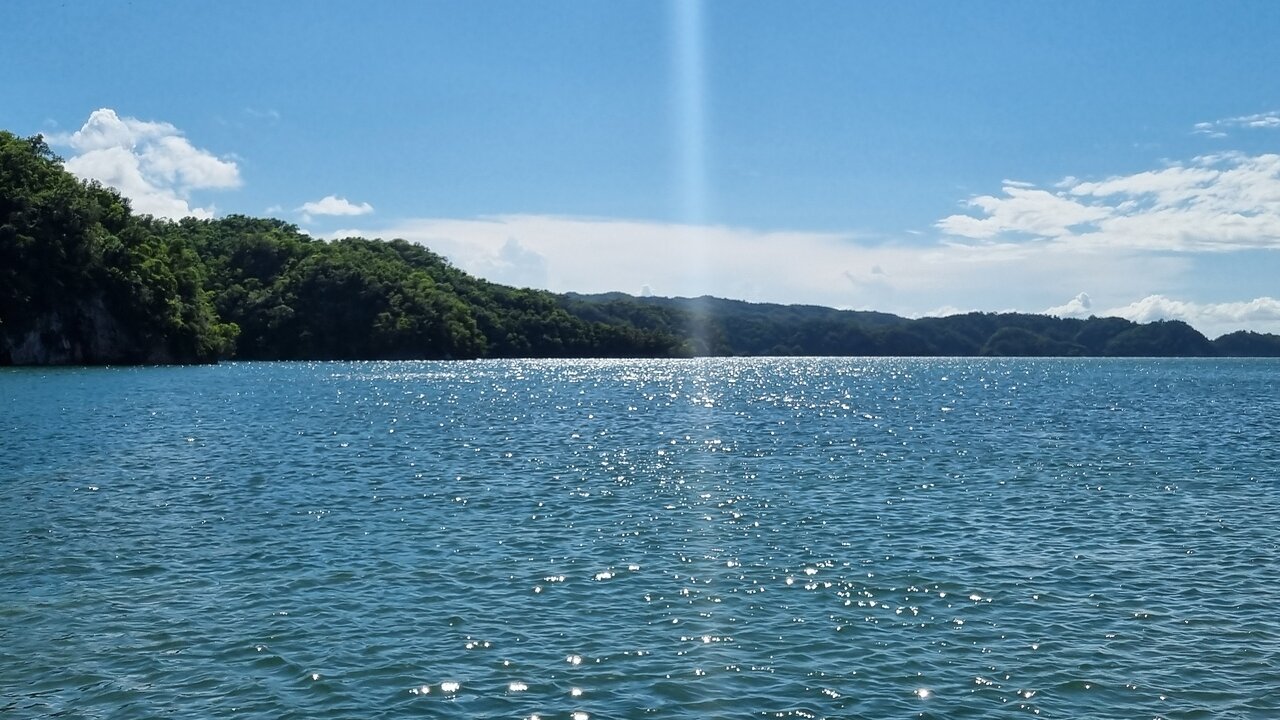
Located in the northeastern Dominican Republic, near Samaná Bay and Sabana de la Mar, Los Haitises is a remarkable natural destination featuring limestone formations, mangrove forests, coastal waterways, caves, and diverse wildlife.
For international travelers, visiting this protected area can be an opportunity to experience a different side of the country. Instead of spending the entire holiday at a resort, you can discover a landscape shaped by geological processes, explore mangrove channels by boat, observe tropical birds, and learn about the region's Indigenous Taíno heritage.
However, planning an international visit requires more preparation than simply choosing an excursion. You should understand the destination's location, transportation options, entry requirements for the Dominican Republic, tour arrangements, and visitor guidelines.
This comprehensive guide explains everything international visitors should know before planning a trip to Los Haitises in 2027.
1. Where Is Los Haitises National Park Located?
Los Haitises National Park is situated in the northeastern part of the Dominican Republic, around Samaná Bay.
The park is associated with several surrounding communities, including Sabana de la Mar, Samaná, and Sánchez.
Its geographical position makes it accessible from different parts of the country, although the most convenient route depends on where you are staying.
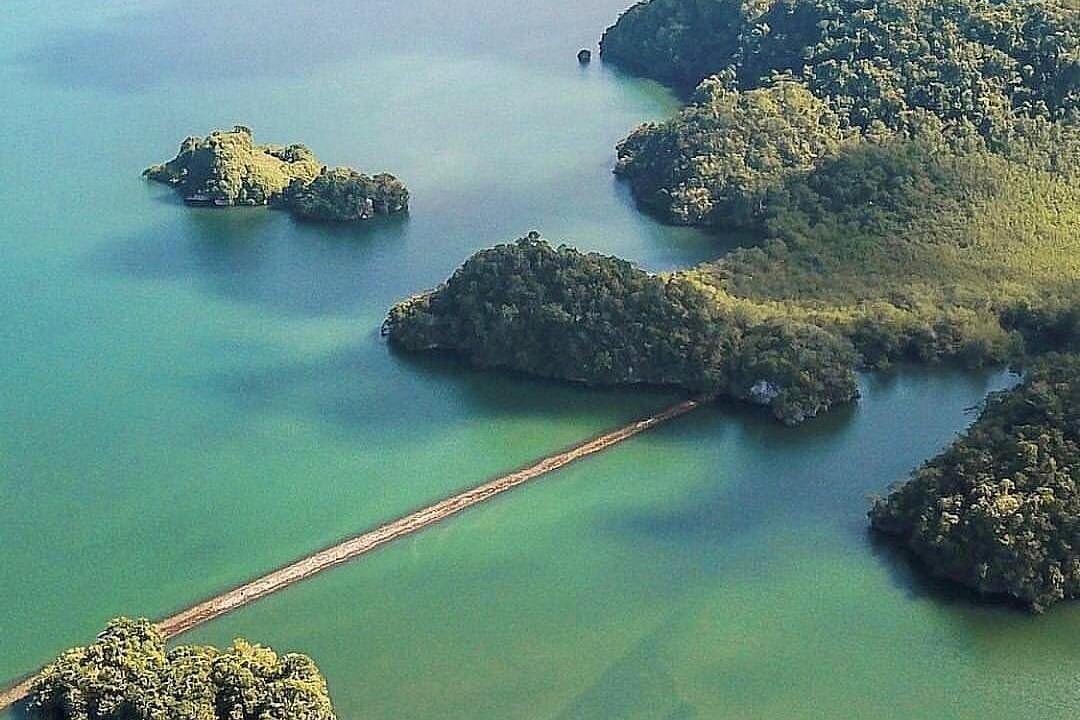
Los Haitises is particularly recognized for its karst landscape. Over a long period, limestone has been shaped by natural processes, producing steep-sided hills known as mogotes, caves, and unusual coastal formations.
The surrounding environment includes:
- Mangrove forests.
- Limestone islands and mogotes.
- Coastal waterways.
- Tropical forests.
- Natural caves.
- Bird habitats.
- Archaeological and cultural features.
For international visitors, understanding the park's location is the first step in choosing the right departure point and organizing transportation.
2. Why Should International Tourists Visit Los Haitises?
Many international tourists visit the Dominican Republic for its beaches and resorts. Los Haitises offers a different experience by introducing visitors to one of the country's distinctive protected natural environments.
There are several reasons to include it in your itinerary.
Unique Limestone Landscapes
The park's limestone mogotes are among its most recognizable features. These rounded formations rise above the water and surrounding vegetation, creating dramatic natural scenery.
They provide excellent opportunities for landscape photography and sightseeing.
Beautiful Mangrove Forests
Mangroves form an important part of the park's coastal ecosystem.
Their roots create habitats for fish and other aquatic organisms, while the surrounding vegetation supports different bird species.
Visitors can observe these ecosystems during suitable boat excursions.
Interesting Caves and Cultural Heritage
Some caves in Los Haitises contain Indigenous Taíno pictographs and petroglyphs.
These features provide an opportunity to learn about the region's cultural history and the people who lived in the Caribbean before modern tourism developed.
Wildlife and Birdwatching
Los Haitises supports a variety of birds and other wildlife.
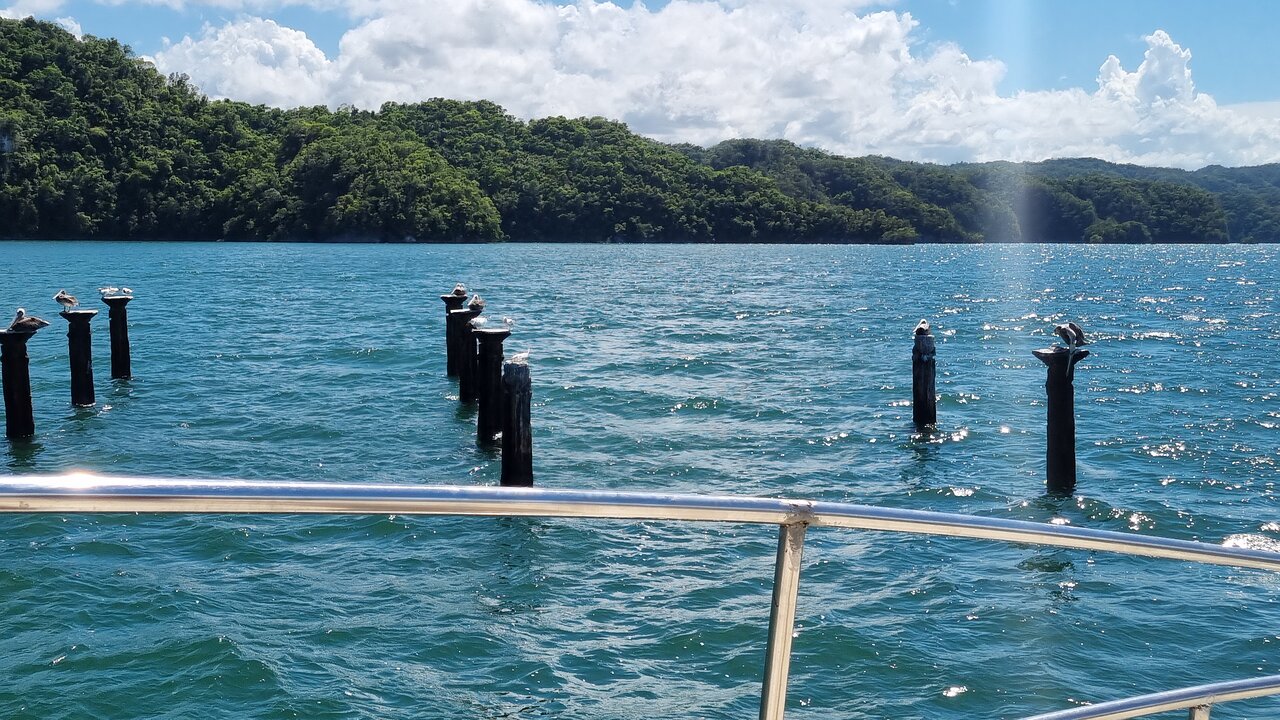
Visitors may observe pelicans, herons, egrets, and other species depending on the route and natural conditions.
A Different Side of the Dominican Republic
For travelers who have already visited Punta Cana, Puerto Plata, or other beach destinations, Los Haitises offers a different type of adventure.
It combines nature, geology, history, and scenic boat travel in one protected landscape.
3. What Should You Know Before Traveling to the Dominican Republic?
Before planning your Los Haitises excursion, make sure you understand the entry requirements for the Dominican Republic.
International visitors should check the latest immigration and travel rules based on their nationality.
Visa requirements are not identical for every traveler. Some nationalities may enter under visa-exempt arrangements, while others may need to obtain a visa before traveling.
Before purchasing your flight, check:
- Whether your nationality requires a visa.
- Passport validity requirements.
- Any additional entry documentation.
- Return or onward travel requirements.
- Applicable immigration procedures.
- Any relevant health or travel requirements.
Use official Dominican government information and the Dominican Republic embassy or consulate responsible for your country.
Electronic Entry and Exit Form
The Dominican Republic uses an electronic entry-and-exit form known as the E-Ticket.
Passengers should check the official government portal and complete the required information according to the current instructions.
Official portal:
https://eticket.migracion.gob.do/
Do not rely on unofficial websites that charge unnecessary fees for services available through the government portal.
Because immigration rules can change, verify the requirements shortly before your departure in 2027.
4. How Can International Visitors Reach Los Haitises?
The best way to reach Los Haitises depends on your arrival airport, accommodation, and selected boat excursion.
International visitors commonly arrive through airports serving major destinations such as Punta Cana, Santo Domingo, and other parts of the country.
After arriving, you can arrange road transportation to a suitable departure area.
From Santo Domingo
Travelers staying in Santo Domingo can investigate road transportation toward Sabana de la Mar.
One documented access route passes through San Pedro de Macorís and Hato Mayor before reaching the Sabana de la Mar area.
From there, visitors can arrange an authorized boat excursion.
This option may be convenient for travelers who want to visit Los Haitises while staying in the capital.
From Punta Cana
Visitors staying in Punta Cana can investigate organized day trips or private transportation arrangements.
Depending on the operator, the journey may involve road transportation toward Miches or Sabana de la Mar, followed by a boat excursion.
Because the complete journey can be lengthy, check the transportation schedule carefully.
From Samaná
Travelers staying in Samaná may find excursions departing from the Samaná area.
This can be convenient for visitors who are already exploring the peninsula.
The exact route and attractions depend on the tour operator.
From Las Terrenas
Visitors staying in Las Terrenas can investigate excursions operating from the Samaná region or arrange transportation to another confirmed departure point.
Check whether hotel pickup is available and whether it is included in the booking.
From Sabana de la Mar
Sabana de la Mar is an important gateway to Los Haitises.
Visitors staying in the town or nearby areas can arrange a boat excursion with a suitable local operator.
Before booking, confirm the meeting point, departure time, and included activities.
5. What Is the Best Way to Explore Los Haitises?
For many international visitors, a guided boat excursion is one of the most practical ways to experience the park.
Boat journeys allow visitors to explore coastal waterways, mangrove channels, and areas surrounded by limestone formations.
Depending on the itinerary, an excursion may include several attractions.
Guided Boat Tour
A guided boat tour can introduce visitors to the park's natural environment while providing explanations about the landscape, wildlife, and cultural features.
It may be suitable for:
- First-time visitors.
- International tourists.
- Nature photographers.
- Families, depending on the operator's requirements.
- Travelers interested in scenic sightseeing.
Private Boat Excursion
A private excursion may offer a more personalized experience.
It can be useful for travelers who prefer a private group, require specific transportation arrangements, or want to discuss a customized itinerary.
Availability and flexibility depend on the operator.
Kayaking and Other Activities
Some excursions in the surrounding region may offer kayaking or additional outdoor activities.
These experiences provide different ways to appreciate the natural environment.
Check the physical requirements and safety arrangements before choosing an active excursion.
6. Top Attractions International Visitors Should Discover
Los Haitises has several natural and cultural features that make it an interesting destination.
The exact attractions available during your visit depend on the route and current visitor-access arrangements.
San Lorenzo Bay
<escape>San Lorenzo Bay</escape> is an important scenic area associated with Los Haitises.
The surrounding landscape includes coastal vegetation, limestone formations, and mangrove environments.
Boat excursions through suitable areas of the bay provide opportunities to observe the park's distinctive scenery.
Limestone Mogotes
The park's mogotes are steep-sided limestone hills that rise above the surrounding landscape.
They create an unusual geological environment and are among the most photographed features of Los Haitises.
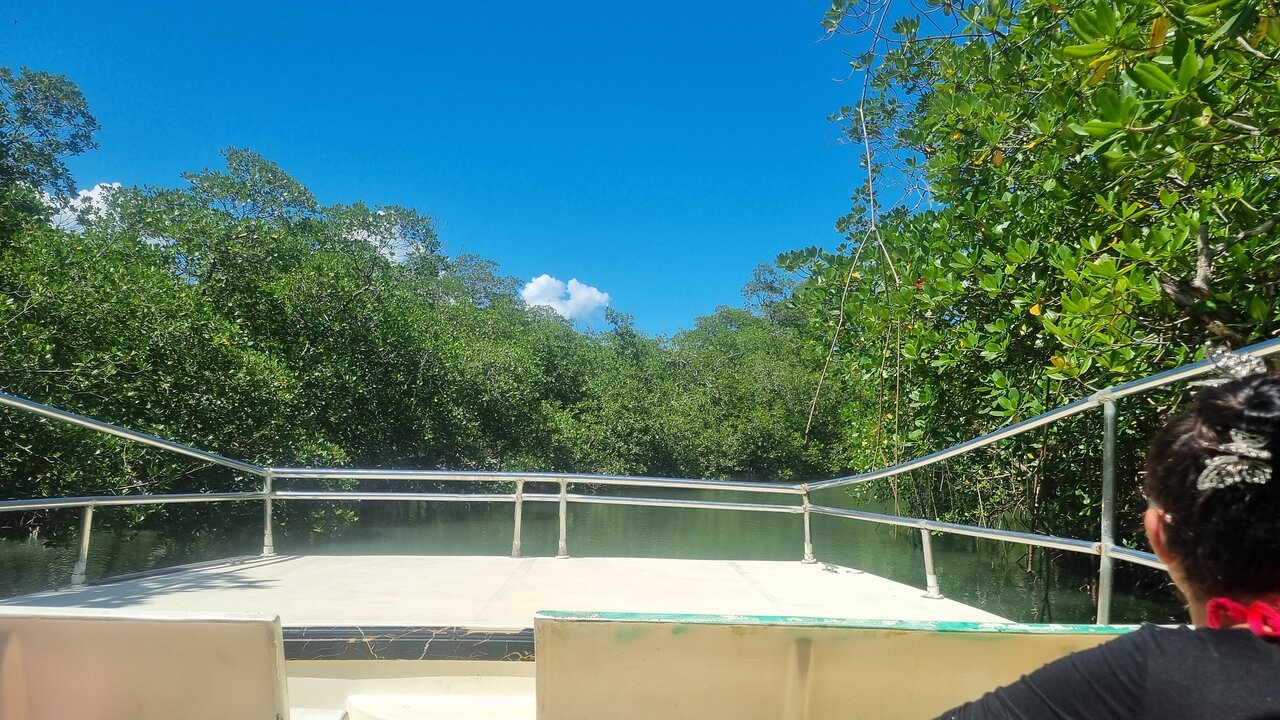
Mangrove Channels
Mangrove forests are an essential part of the park's coastal ecosystem.
Boat journeys through accessible channels allow visitors to observe their roots, vegetation, and surrounding wildlife habitats.
Caves
The caves of Los Haitises are important natural and cultural attractions.
Some contain Taíno artwork that provides insight into the region's Indigenous heritage.
Cave access depends on park regulations and current safety conditions. Confirm the status of any specific cave before booking.
Cayo de los Pájaros
Cayo de los Pájaros is associated with bird activity and is a recognizable feature of the park's natural landscape.
Visitors may observe birds around the surrounding waterways, although sightings depend on natural conditions.
7. Can International Visitors Explore Taíno Heritage?
Yes. Los Haitises is important not only for its natural scenery but also for its cultural and archaeological features.
Some caves contain pictographs and petroglyphs associated with the Taíno people, the Indigenous population of the Caribbean.
These markings provide a connection to the region's history and cultural development.
A guided cave visit, where officially permitted, can help visitors understand the significance of these features.
International travelers should remember that archaeological sites require careful treatment.
Follow these guidelines:
- Never touch or damage cave artwork.
- Do not write or mark on cave walls.
- Do not remove archaeological objects.
- Follow photography restrictions.
- Stay with your guide.
- Respect restricted visitor areas.
Cultural heritage should be treated with the same care as the park's natural environment.
8. What Wildlife Can International Visitors See?
Los Haitises provides habitats for many bird species and other wildlife.
During a boat excursion, visitors may see:
- Pelicans.
- Herons.
- Egrets.
- Other coastal birds.
- Birds associated with forest habitats.
The park's official tourism information also highlights species such as the Ridgway's hawk and Hispaniolan woodpecker.
Wildlife observation is one of the most enjoyable parts of a nature-focused visit.
However, sightings are never guaranteed. Animals move freely through their habitats, and their activity depends on environmental conditions.
For better observation opportunities:
- Bring binoculars if you have them.
- Use a camera with a zoom feature.
- Keep a respectful distance.
- Avoid feeding wildlife.
- Keep noise low near bird habitats.
- Follow your guide's instructions.
Responsible wildlife observation helps protect the animals and their natural surroundings.
9. What Is the Best Time to Visit Los Haitises?
Los Haitises can be visited throughout the year, subject to park regulations, weather, and excursion availability.
The Dominican Republic has a tropical climate, so visitors should prepare for warm temperatures and possible rainfall.
Rather than choosing a date based only on general travel-season descriptions, consider the weather and your preferred activities.
For Boat Excursions
Check the local weather forecast and confirm that the operator expects conditions to be suitable for boating.
Wind, rain, and water conditions can affect the route or schedule.
For Photography
The park's limestone formations, mangroves, and coastal scenery provide photography opportunities in different weather conditions.
However, lighting and visibility vary throughout the day.
For Wildlife Observation
Wildlife activity varies naturally. A knowledgeable guide may help identify suitable observation areas, but no specific sighting can be guaranteed.
The best time for your visit is one that matches your travel schedule, weather conditions, and preferred excursion.
10. What Should International Visitors Pack?
Packing the right items can make your excursion more comfortable.
The tropical environment and boat journey require practical clothing and personal essentials.
Recommended Packing List
Lightweight clothing: Comfortable clothes are suitable for warm and humid weather.
Comfortable footwear: Choose shoes or sandals appropriate for boarding and any walking included in your itinerary.
Sun protection: Bring sunscreen, sunglasses, and a hat.
Drinking water: Carry drinking water unless your tour operator confirms it is provided.
Insect repellent: Useful for outdoor environments with vegetation and mangroves.
Waterproof phone pouch: Helps protect your electronics from splashes.
Camera: Useful for landscape and wildlife photography.
Light rain protection: A compact rain jacket can be helpful.
Small backpack: Keep your essential belongings organized.
If your tour includes an additional swimming activity, bring suitable swimwear and a towel.
Always check the operator's specific packing recommendations.
11. What Language Is Spoken During Los Haitises Tours?
Spanish is the main language spoken in the Dominican Republic.
International visitors who do not speak Spanish may want to choose an excursion with an English-speaking guide or a guide who speaks their preferred language.
Some tour operators may offer multilingual services, but language availability varies.
Before booking, confirm:
- The language of the guide.
- Whether explanations are provided throughout the excursion.
- Whether the tour is suitable for non-Spanish speakers.
- Whether additional language services involve extra charges.
A guide who can communicate clearly with you can improve your understanding of the park's ecology, history, and attractions.
12. How Much Does a Los Haitises Excursion Cost?
The price of a Los Haitises excursion depends on several factors.
These may include:
- Departure location.
- Group size.
- Private or shared transportation.
- Boat type.
- Excursion duration.
- Guide services.
- Included meals and refreshments.
- Park fees.
- Additional activities.
For example, a package with private transportation from a distant resort area may have a different price from a shared boat excursion departing locally from Sabana de la Mar.
Rather than relying on a single advertised price, compare the complete inclusions.
Before booking, confirm whether the quoted amount includes:
- Boat transportation.
- Road transfers.
- Park entrance arrangements.
- Guide services.
- Meals or refreshments.
- Additional attraction fees.
Ask about any extra charges so that you can plan your travel budget accurately.
13. Is Los Haitises Suitable for Families and Older Visitors?
Los Haitises can be an interesting destination for families and travelers of different ages.
A boat-focused excursion may be suitable for people who prefer sightseeing rather than demanding outdoor activities.
However, each operator has its own requirements.
Before booking for a family or older traveler, ask about:
- Age restrictions.
- Life-jacket availability.
- Boat boarding arrangements.
- Seating conditions.
- Walking distances.
- Cave access.
- Expected excursion duration.
Some combined tours include kayaking, hiking, or other physical activities. These may not be suitable for every visitor.
Choose an itinerary that matches the needs and comfort levels of everyone in your group.
14. How to Choose a Reliable Tour Operator
Selecting a suitable tour operator is an important part of planning your international visit.
Look for clear information about the itinerary, departure point, duration, transportation, and included services.
A reliable booking process should make it easy to understand what you are paying for.
Before confirming, check:
- The exact departure location.
- The complete excursion itinerary.
- Guide language availability.
- Boat transportation arrangements.
- Safety equipment.
- Included and excluded services.
- Cancellation and weather policies.
- Current access restrictions.
- Contact details for the operator.
Read the booking conditions carefully and keep your confirmation information available during your trip.
Avoid assuming that two excursions with similar names offer identical services.
15. Important Safety and Environmental Guidelines
Los Haitises is a protected natural environment.
Visitors should follow park regulations and the instructions provided by authorized guides and boat operators.
For a safe and responsible visit:
- Follow boat safety instructions.
- Wear the life jacket provided as directed.
- Avoid standing or moving around when the boat is underway.
- Do not enter restricted areas.
- Do not disturb wildlife.
- Avoid feeding animals.
- Do not litter.
- Do not touch cave artwork.
- Respect mangrove forests and other fragile habitats.
Important Cave Access Update
The Dominican Ministry of Environment announced the temporary closure of Cueva de la Línea in June 2026 because its access pier had deteriorated and required intervention.
International visitors should verify its current status before booking a tour that mentions this cave.
Never assume that an attraction is open simply because it appears in an older travel article or tour description.
16. Example One-Day Los Haitises Itinerary for International Visitors
If you are planning a one-day excursion, a simple itinerary can help organize your visit.
The following is an illustrative schedule. It is not a confirmed tour timetable, and actual times will depend on your departure point and operator.
Before Departure
- Have breakfast at your accommodation.
- Confirm your transportation.
- Check your meeting point.
- Prepare your personal belongings.
- Arrive according to the operator's instructions.
Main Excursion
- Meet your guide and board the boat.
- Explore the planned waterways.
- Observe mangrove vegetation.
- Admire the limestone mogotes.
- Visit authorized attractions included in your itinerary.
- Learn about local wildlife and cultural heritage.
Return Journey
- Return to the designated departure point.
- Collect your belongings.
- Continue to your accommodation or next destination.
If you are traveling from Punta Cana or Santo Domingo, allow additional time for road transportation.
A flexible schedule will make your experience more comfortable.
17. Common Mistakes International Visitors Should Avoid
First-time international travelers sometimes make avoidable planning mistakes.
Here are some common issues to consider.
Assuming every tour departs from Samaná: Sabana de la Mar and other areas may also be used as departure points.
Ignoring road transportation: The boat excursion is only one part of the complete journey.
Booking without checking inclusions: Similar tour titles can describe different experiences.
Expecting every cave to be open: Visitor access can change because of maintenance and safety restrictions.
Assuming wildlife sightings are guaranteed: Animals live freely in the park.
Bringing unsuitable footwear: Some itineraries include walking or cave visits.
Ignoring weather conditions: Rain and wind can affect boat operations.
Choosing an itinerary that is too crowded: Combining too many activities can reduce the time available to enjoy each attraction.
Avoiding these mistakes can help you organize a smoother visit.
18. How to Make Your Visit More Enjoyable
The best way to experience Los Haitises is to choose an itinerary that matches your interests.
If you love photography, allow time to appreciate the limestone formations and mangrove scenery.
If you are interested in wildlife, bring binoculars and listen to your guide's explanations.
If you enjoy history, look for an authorized excursion that includes a permitted cave visit.
If you simply want a peaceful outdoor experience, a boat-focused itinerary may be suitable.
You do not need to visit every attraction in one day.
Take time to observe the landscape, learn about the environment, and enjoy the experience responsibly.
Frequently Asked Questions
1. Where is Los Haitises National Park located?
Los Haitises National Park is located in the northeastern Dominican Republic, around Samaná Bay, near areas including Sabana de la Mar and Samaná.
2. Is Los Haitises worth visiting for international tourists?
Yes. It offers a different experience from traditional beach destinations, with limestone formations, mangroves, caves, wildlife, and cultural heritage.
3. How can I reach Los Haitises from Punta Cana?
You can investigate organized day trips or arrange transportation toward a suitable departure point, such as Miches or Sabana de la Mar. Confirm the complete road and boat arrangements.
4. Can I visit Los Haitises from Santo Domingo?
Yes. Visitors can investigate road transportation toward Sabana de la Mar and arrange a boat excursion from there.
5. Do I need a visa to visit the Dominican Republic?
Visa requirements depend on your nationality and travel circumstances. Check the latest official immigration information before booking your international flight.
6. Do I need to complete the Dominican Republic E-Ticket?
The Dominican Republic uses an electronic entry-and-exit form. Check the official government portal for current instructions and complete the required information before travel.
7. What language is spoken in the Dominican Republic?
Spanish is the main language. International visitors can look for excursions with English-speaking or other multilingual guides.
8. What is the best way to explore Los Haitises?
A guided boat excursion is one of the most popular ways to experience the park's mangroves, coastal waterways, limestone formations, and selected visitor sites.
9. What should I bring to Los Haitises?
Bring comfortable clothing, suitable footwear, sunscreen, sunglasses, a hat, drinking water, insect repellent, and a waterproof pouch for electronics.
10. Can I visit Los Haitises without staying in Samaná?
Yes. Visitors can arrange excursions from other parts of the Dominican Republic, depending on available transportation and departure arrangements.
11. Are cave visits included in every tour?
No. Cave visits depend on the itinerary and current access conditions. Confirm the exact caves included before booking.
12. Is Cueva de la Línea open to international visitors?
A temporary closure was announced in June 2026 because its access pier had deteriorated. Check the latest official status before planning a visit.
13. Can I see wildlife during a boat excursion?
You may observe birds such as pelicans, herons, and egrets. However, sightings depend on natural conditions and cannot be guaranteed.
14. How long should I spend at Los Haitises?
A single guided excursion can provide an introduction to the park. Travelers who want to explore more of the surrounding region may choose to stay nearby for additional days.
15. Is Los Haitises suitable for first-time visitors to the Dominican Republic?
Yes. A guided excursion can be a good introduction to the country's natural landscapes and protected ecosystems.
Plan Your Visit to Los Haitises National Park
Los Haitises is an excellent destination for international visitors who want to discover more than the Dominican Republic's famous beaches.
Its limestone formations, mangrove forests, caves, coastal waterways, and wildlife create a distinctive natural experience.
Before traveling, check the Dominican Republic's entry requirements, select a suitable departure point, confirm your transportation, and choose an excursion that matches your interests.
You can start planning by exploring the Los Haitises boat ride options, browsing available tours and excursions, or learning more about the Los Haitises boat tour from Sabana de la Mar.
Whether you are visiting from Europe, North America, South America, or another part of the world, Los Haitises offers an opportunity to experience the natural beauty and cultural heritage of the Dominican Republic.
Plan carefully, travel responsibly, and discover one of the Caribbean's remarkable natural destinations.
Local explorer & expert guide in Birding Dominican Republic.