Birdwatching in Los Haitises National Park: Best Habitats, Species and Responsible Viewing Tips
Los Haitises National Park is one of the Dominican Republic's most interesting destinations for nature lovers, and its birdlife is an important reason to explore the area. The park contains a mixture of tropical forest, limestone hills, mangroves, wetlands, coastal islands and sheltered waterways. Each habitat offers different opportunities to observe birds.
Some birds are easy to recognize as they fly above the water or rest along the shoreline. Others are harder to find, moving quietly through the forest canopy or calling from dense vegetation. For dedicated birdwatchers, the park is especially interesting because it supports resident Caribbean birds, species endemic to Hispaniola and migratory visitors.
Whether you are an experienced birder or simply enjoy seeing wildlife during a boat excursion, birdwatching can add another dimension to a visit to Los Haitises.
This guide explains where to look, which birds are worth learning about, what equipment to bring and how to enjoy the experience without disturbing the animals.
1. Why Is Los Haitises Interesting for Birdwatching?
The main advantage of Los Haitises is its variety of habitats. Instead of supporting only one type of bird community, the park brings together several environments within a large protected landscape.
These include:
- Tropical forest: Home to forest-dwelling birds, including native and endemic species.
- Mangrove forests: Coastal habitat used by water-associated birds and other wildlife.
- Wetlands: Important feeding and resting areas for birds that use shallow water and muddy surfaces.
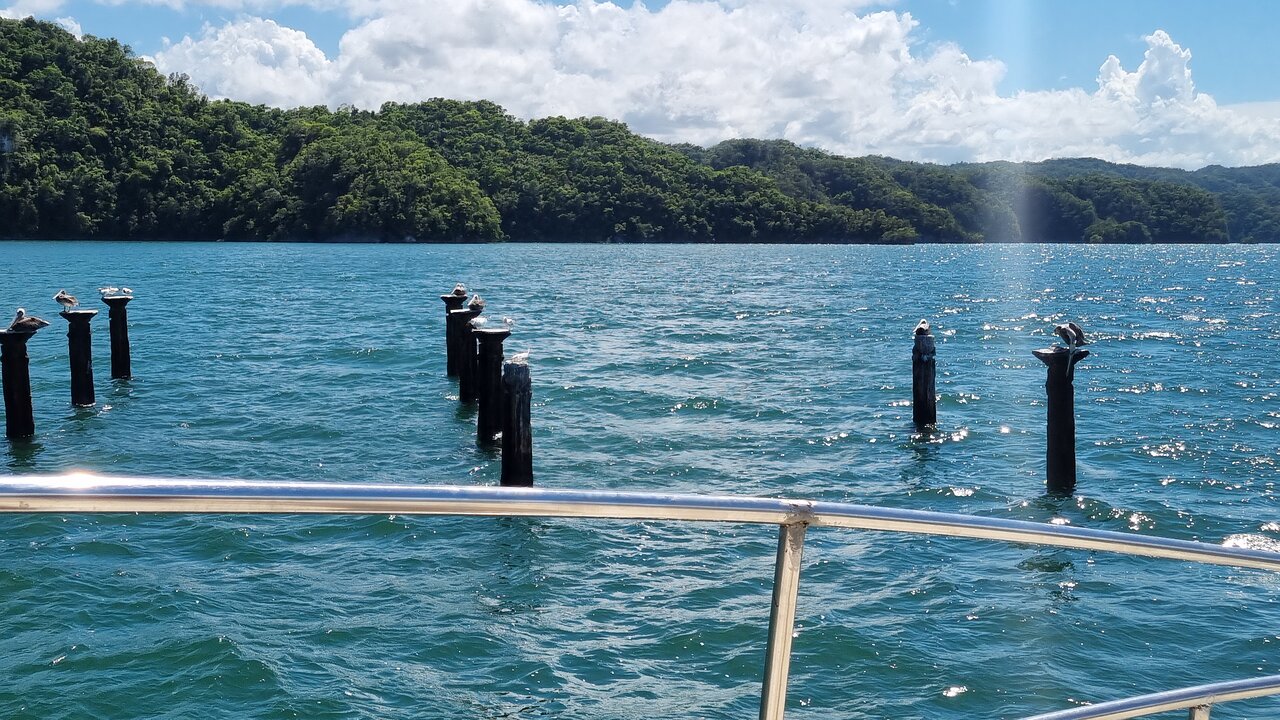
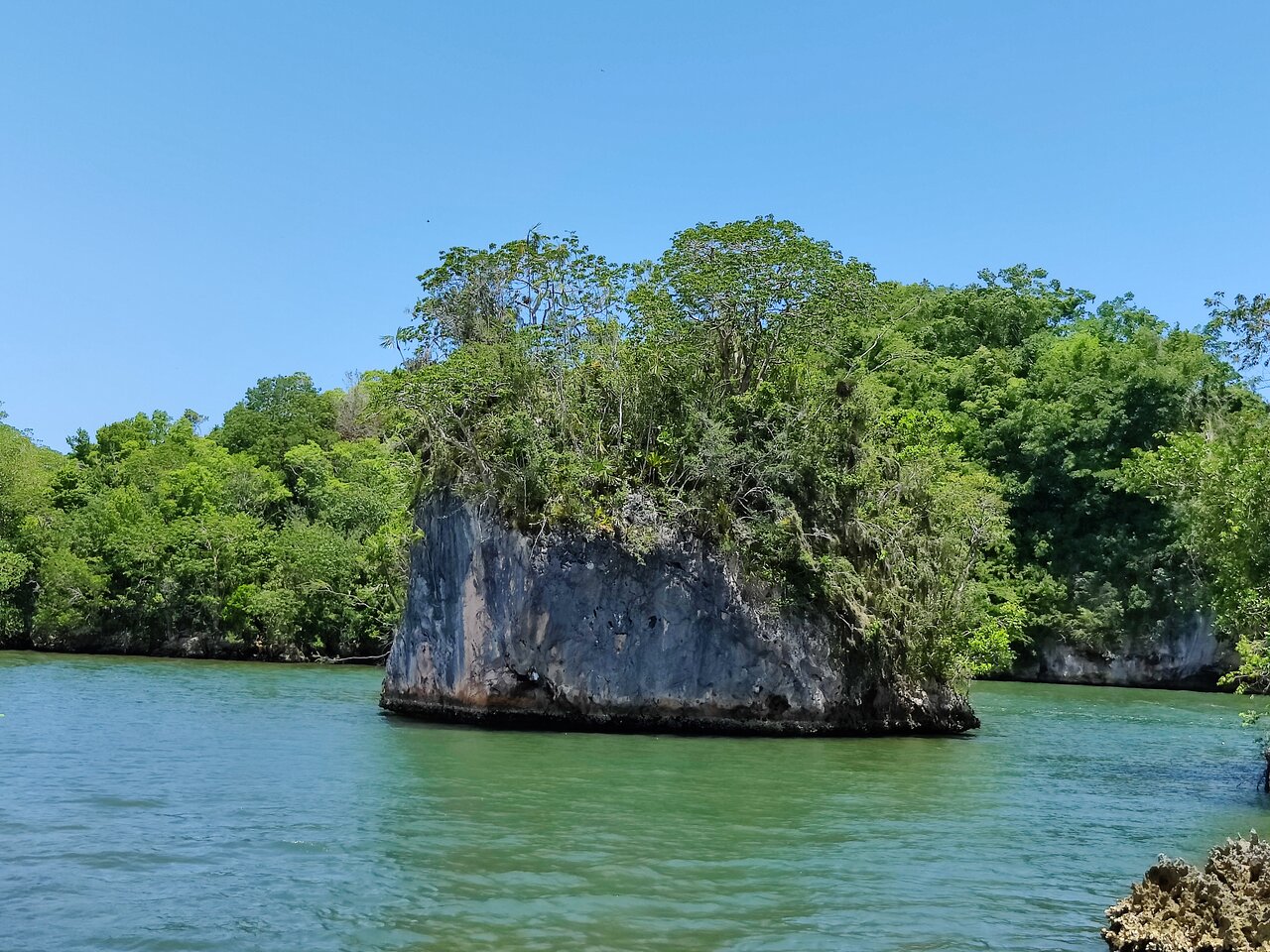
- Coastal islands and limestone formations: Potential resting and nesting areas for seabirds and other coastal species.
- Caves and rocky areas: Places used by certain birds for shelter or roosting, depending on the species.
The official Dominican Republic tourism website highlights the park's bird colonies and identifies species such as Ridgway's hawk, Hispaniolan woodpecker, pelicans, herons and egrets.
The combination of habitats makes Los Haitises appealing to visitors interested in more than one type of birdwatching.
2. Birdwatching in the Tropical Forest
The forested hills and limestone formations of Los Haitises provide habitat for birds that spend much of their time among trees and vegetation.
Some species are easier to identify by sound than by sight. Others move between branches, feed in the canopy or appear briefly along forest edges.
Notable forest-associated birds recorded in the park's regional checklists and conservation literature include:
Hispaniolan parrot (Amazona ventralis): An endemic parrot of Hispaniola. It is a notable species for birdwatchers interested in the island's native wildlife.
Hispaniolan woodpecker (Melanerpes striatus): A distinctive woodpecker endemic to Hispaniola. Listen for its calls and the sound of drumming on tree trunks.
Palmchat (Dulus dominicus): The national bird of the Dominican Republic. It is well known for its social behavior and large communal nests.
Hispaniolan lizard-cuckoo (Coccyzus longirostris): A native cuckoo associated with wooded habitats. It may be heard before it is seen.
Broad-billed tody (Todus subulatus): A small Hispaniolan endemic that birdwatchers may look for among vegetation and branches.
These species are examples of the park's wider bird diversity. Their presence in a regional checklist does not guarantee that they will be seen on every excursion or at every visitor location.
3. Mangroves and Coastal Bird Habitats
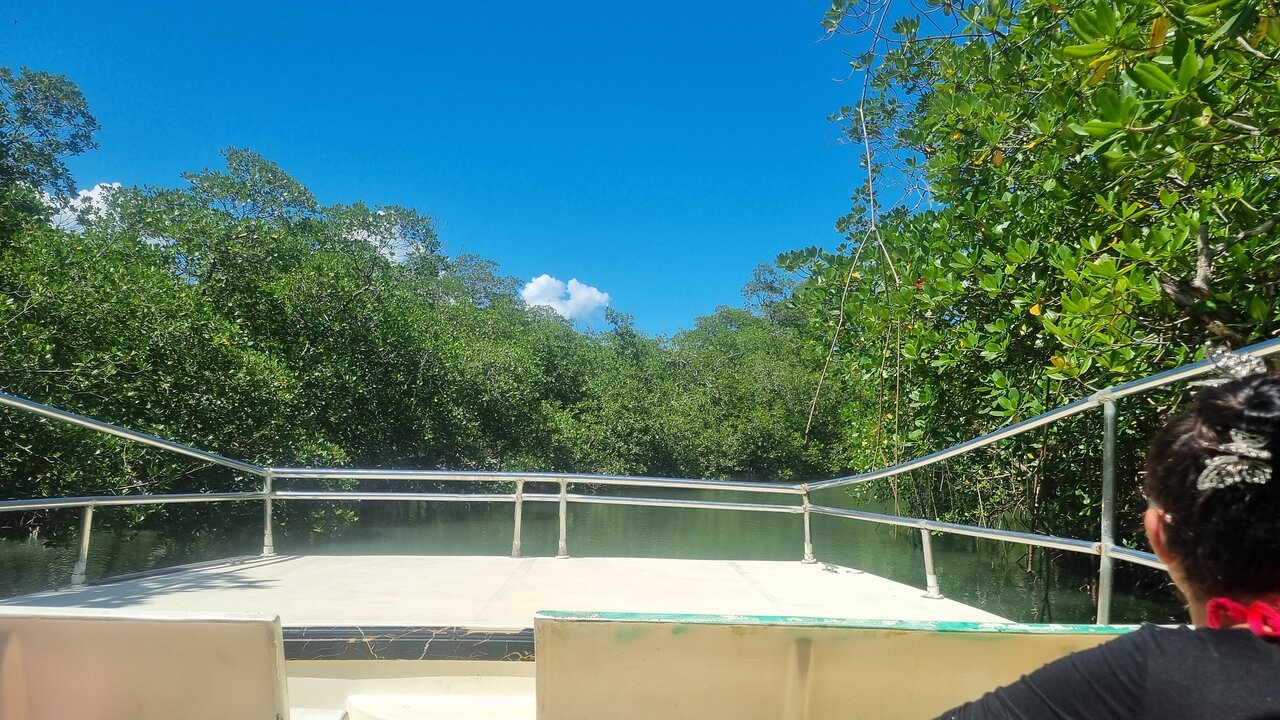
Mangrove channels are among the most visually interesting areas for birdwatching in Los Haitises.
The roots and branches create a complex coastal habitat, while nearby shallow water and muddy edges provide feeding opportunities for birds.
Look for birds along:
- Mangrove channel edges.
- Exposed muddy areas.
- Branches overlooking the water.
- Sheltered coastal openings.
- Small islands and nearby rocky shorelines.
Birds associated with coastal and wetland habitats in the park include:
Brown pelican (Pelecanus occidentalis): A large coastal bird often seen gliding above the water or searching for fish.
Great egret (Ardea alba): A tall white wading bird that may feed in shallow water.
Little blue heron (Egretta caerulea): A smaller heron associated with coastal and wetland habitats.
Tricolored heron (Egretta tricolor): A wading bird that searches for prey in shallow coastal water.
Yellow-crowned night heron (Nyctanassa violacea): A coastal heron often associated with mangrove and shoreline habitats.
Magnificent frigatebird (Fregata magnificens): A large seabird recognized by its long wings and distinctive forked tail.
These birds use different parts of the coastal environment. Some feed in shallow water, while others spend more time flying above the bay or resting on coastal formations.
4. Ridgway's Hawk: A Special Conservation Story
One of the most important birds associated with Los Haitises is Ridgway's hawk (Buteo ridgwayi).
This raptor is endemic to Hispaniola and is classified as Critically Endangered. It is particularly significant because the Los Haitises region has been an important stronghold for its survival and conservation.
Ridgway's hawk is a forest bird of conservation concern. It depends on suitable woodland habitat and faces pressures that include habitat loss and other human-related threats.
For birdwatchers, seeing this species would be a remarkable experience. However, it is not a bird that visitors should expect to see automatically during a standard boat trip.
A dedicated birdwatching visit may offer a better opportunity to explore suitable forest habitats, but sightings are never guaranteed.
If you are particularly interested in this hawk, ask a knowledgeable local guide whether a suitable and authorized birdwatching route is available. Any observation should prioritize the bird's welfare, especially near nesting areas.
5. Migratory Birds in Los Haitises
Not all birds found in the Dominican Republic remain there throughout the year.
Some species travel between North America and the Caribbean, using the region during migration or spending part of the northern winter in suitable habitats.
Los Haitises and the wider Samaná region include coastal and forest environments that may be used by migratory birds.
The park's regional bird checklist includes several migratory warblers and other visiting species. Examples include:
- American redstart (Setophaga ruticilla).
- Northern parula (Setophaga americana).
- Black-and-white warbler (Mniotilta varia).
- Cape May warbler (Setophaga tigrina).
- Northern waterthrush (Parkesia noveboracensis).
- Black-throated blue warbler (Setophaga caerulescens).
These examples show why birdwatching can vary throughout the year. A visitor may encounter different species depending on migration patterns, habitat conditions and the timing of the visit.
However, the presence of a species on a regional checklist does not mean it will be visible during a particular month or excursion.
6. Best Habitats to Explore for Birdwatching
The most suitable birdwatching location depends on which birds you hope to observe.
Tropical forest
Forest habitats are useful for looking for native and endemic birds, including woodpeckers, parrots, todies and other woodland species.
Birdwatchers should listen carefully and scan branches, tree trunks and forest edges.
Mangrove channels
Mangroves are useful for observing birds associated with coastal vegetation and shallow water. Herons, egrets and other waterbirds may be visible along channel edges.
Coastal islands and rocky formations
Small islands and limestone formations around the bay may provide resting or nesting habitat for coastal birds. Pelicans and frigatebirds are among the species visitors may notice around open water.
Wetlands and shallow-water areas
Shallow water can attract wading birds searching for fish and invertebrates. Exposed muddy areas may also provide feeding opportunities.
Access to specific habitats depends on park regulations, the visitor route and local conditions. Not every area is open for unrestricted walking or birdwatching.
7. When Is a Good Time to Go Birdwatching?
Birdwatching is possible throughout the year, but the species you encounter may change with seasonal conditions.
Resident birds can be present throughout the year, while migratory birds add seasonal variety.
For a successful outing, the quality of the observation conditions is often more important than choosing a particular month.
Consider these factors:
Time of day: Early morning is often useful for bird observation because many birds are active and the light can be favorable.
Weather: Calm and reasonably clear conditions may make it easier to observe birds. Heavy rain can reduce visibility and activity.
Tidal conditions: Water levels can change the appearance of mangrove channels and exposed feeding areas.
Seasonal movement: Migration may influence which species are present in a particular period.
There is no single date that guarantees the best birdwatching. If you have a target species, research its seasonal movements and ask an experienced local guide about recent observations.
8. Birdwatching by Boat or on Foot?
Los Haitises offers different ways to experience its natural habitats, but the best option depends on the purpose of your visit.
Birdwatching by boat
A boat excursion can be useful for observing coastal birds, mangrove channels, pelicans, herons and other species around the bay.
Advantages include:
- Access to waterways and coastal scenery.
- Opportunities to observe birds along channel edges.
- Views of birds flying over open water.
- A convenient way to experience several coastal habitats.
However, a standard sightseeing boat trip is not necessarily a specialized birdwatching excursion. Routes, stops and time available for observation may be limited.
Birdwatching on foot
Suitable forest routes can provide opportunities to listen for calls and observe birds in wooded habitats.
Walking may be more useful for visitors interested in forest species such as woodpeckers, parrots and other endemic birds.
Not all forest trails are open or suitable for independent visitors. Confirm authorized access and guide arrangements before planning a walking route.
Which should you choose?
Choose a boat excursion if your main interest is coastal scenery and waterbirds. If you want to look for forest species, ask about a dedicated guided route in an authorized area.
For serious birdwatchers, combining suitable coastal and forest habitats may offer a broader experience, provided the itinerary is available and permitted.
9. What Equipment Should You Bring?
You do not need expensive equipment to enjoy birdwatching in Los Haitises, but a few items can improve the experience.
Binoculars: A compact pair makes it easier to observe birds in trees and across the water.
Camera with a zoom lens: Useful for photographing birds without approaching them too closely.
Field guide or bird identification app: Helps identify species by appearance, sound and habitat. Download resources in advance if you expect limited mobile connectivity.
Notebook: Record the date, habitat, location and bird characteristics. Notes can help you identify unfamiliar species later.
Waterproof bag: Protects binoculars, phones and cameras during boat travel.
Comfortable clothing: Lightweight clothing suitable for warm, humid conditions can make observation more comfortable.
Sun protection: A hat, sunscreen and drinking water are useful, particularly during outdoor excursions.
Avoid bringing unnecessary equipment that makes it difficult to move safely around boats or authorized trails.
10. How to Identify Birds in Los Haitises
Bird identification becomes easier when you observe more than color.
Start by noticing the bird's size and overall shape. Then look at its beak, tail, wings, posture and movement.
Pay attention to its habitat. A bird feeding in shallow water is likely to belong to a different ecological group from one moving through the forest canopy.
Listen to calls as well. Some birds are easier to identify by sound than by appearance, especially when vegetation blocks the view.
A simple identification process is:
- Observe the bird's approximate size.
- Note its main colors and distinctive markings.
- Look at its beak and tail shape.
- Observe whether it is flying, feeding, climbing or perching.
- Record the habitat where you found it.
- Compare your observations with a reliable bird guide.
If you are uncertain, record the bird as unidentified rather than guessing its species.
11. Responsible Birdwatching and Conservation
Los Haitises is a protected natural area, and responsible behavior is essential when observing wildlife.
Birds may be sensitive to noise, close approaches and repeated disturbance. Nesting and resting areas require particular care.
Follow these practices:
- Keep a respectful distance from birds.
- Never approach or disturb nests.
- Do not use playback calls to attract birds unless explicitly permitted under appropriate expert guidance.
- Avoid feeding wildlife.
- Do not throw rubbish into mangroves, rivers or coastal water.
- Follow authorized routes and park instructions.
- Avoid sudden movements and unnecessary noise.
- Never handle wild birds or remove feathers and eggs.
- Do not enter restricted areas for a better photograph.
If you are photographing birds, use your camera's zoom rather than moving closer.
Responsible birdwatching allows visitors to enjoy the park while reducing pressure on the species they want to observe.
12. Planning a Birdwatching Visit from Sabana de la Mar
Sabana de la Mar is an important access area for exploring the eastern side of Los Haitises.
When arranging a visit, consider whether your main goal is a general nature excursion or a more specialized birdwatching experience.
Before confirming an excursion, ask:
- What habitats does the route visit?
- Is there enough time for quiet bird observation?
- Does the itinerary include suitable forest or mangrove areas?
- Is a guide familiar with local birds available?
- Are walking areas authorized and currently accessible?
- What equipment should you bring?
- What happens if weather or water conditions change?
Do not assume every sightseeing tour is designed for birdwatching. A route that focuses on caves and general scenery may offer fewer opportunities for careful bird observation than a dedicated nature outing.
If you have a particular target species, explain this before booking so the operator can tell you honestly whether the planned route is suitable.
13. Frequently Asked Questions About Birdwatching in Los Haitises
Is Los Haitises good for birdwatching?
Yes. Its combination of tropical forest, mangroves, wetlands, coastal islands and limestone formations supports a diverse bird community. The park is especially interesting for visitors interested in Hispaniolan endemic birds and coastal species.
Which bird is especially important in Los Haitises?
Ridgway's hawk is one of the park's most important conservation species. It is endemic to Hispaniola and Critically Endangered.
Can visitors see parrots in Los Haitises?
Hispaniolan parrots are included in regional bird records for the park. However, sightings are not guaranteed and depend on location, conditions and bird activity.
Are there migratory birds in Los Haitises?
Yes. The regional bird checklist includes migratory species such as warblers and other birds that move through or spend part of the year in the Caribbean.
Is a boat trip suitable for birdwatching?
A boat trip can be useful for observing coastal birds, mangrove habitats and birds around the water. Dedicated forest birdwatching may require a different authorized route.
What is the best time of day for birdwatching?
Early morning is often a useful time because many birds are active and light conditions may be favorable. Actual sightings depend on weather, season and habitat.
Do I need binoculars?
Binoculars are strongly recommended, especially for observing birds in trees or across waterways. They are not essential for enjoying the experience, but they can make identification easier.
Can I see Ridgway's hawk on an ordinary tour?
There is no guarantee. The species is difficult to observe reliably, and a standard sightseeing itinerary may not visit suitable forest habitat.
Are birds in Los Haitises protected?
The national park is a protected area. Visitors should follow park regulations, avoid disturbing wildlife and respect restrictions around nesting or sensitive habitats.
Enjoy Birdwatching in Los Haitises Responsibly
Los Haitises offers a rewarding birdwatching experience because its forests, mangroves, wetlands and coastal formations support different kinds of birds. From pelicans and herons around the water to Hispaniolan endemic species in the forest, the park provides many reasons to look more closely at its natural environment.
A successful visit does not depend on seeing the largest number of species. It comes from observing carefully, learning about the habitats and respecting wildlife.
If you are exploring Los Haitises from Sabana de la Mar, consider choosing an excursion that gives you enough time to enjoy nature rather than rushing between stops. Bring binoculars, stay patient and allow the birds to remain undisturbed.
Responsible birdwatching helps protect the natural heritage that makes Los Haitises special.
Local explorer & expert guide in Birding Dominican Republic.