The Natural Caves of Los Haitises National Park: How Limestone Creates Underground Passages
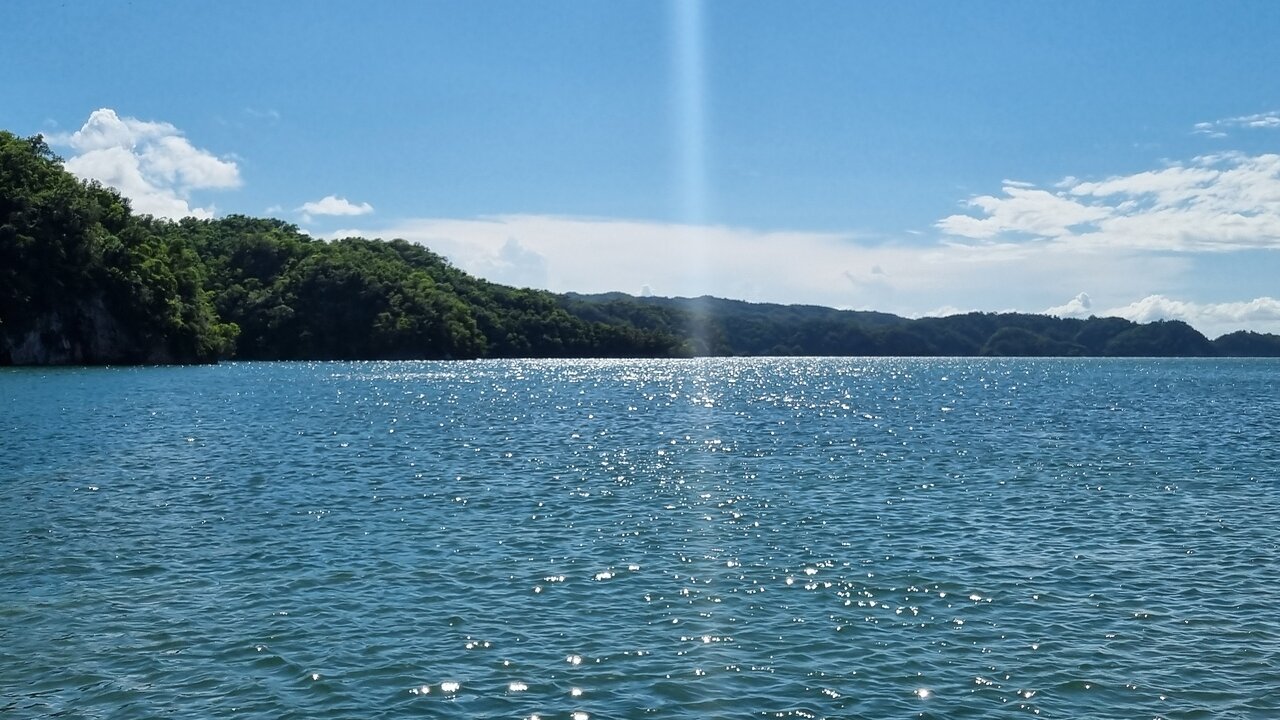
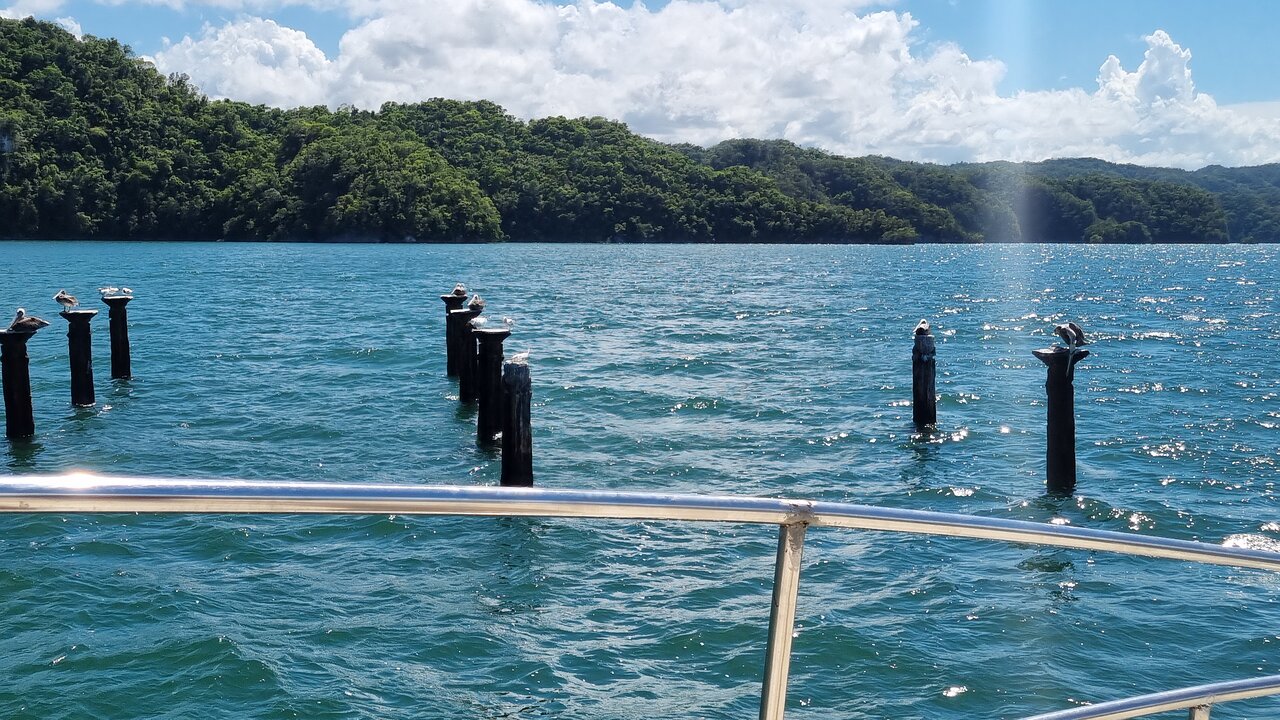
Los Haitises National Park is famous for its forest-covered limestone hills, mangrove channels, coastal scenery and remarkable biodiversity. Yet some of its most fascinating natural features are hidden beneath the surface. Over long periods, water has dissolved parts of the park's limestone bedrock, creating caves, underground passages, chambers and other karst formations.
These caves are more than interesting places to explore. They help explain the geological history of Los Haitises and the relationship between rainfall, groundwater and the surrounding landscape. Some contain mineral formations created by dripping water, while others have passages connected to the coastal environment.
Understanding how these underground spaces develop makes a cave visit much more meaningful. It also highlights why they need careful protection.
This guide explains how the natural caves of Los Haitises formed, what visitors may see inside them, how water shapes their interiors and what to know before planning a cave excursion.
1. Why Does Los Haitises Have So Many Natural Caves?
The geology of Los Haitises is strongly associated with limestone. Much of the region is underlain by a thick limestone formation that has experienced extensive karst development.
Limestone is a sedimentary rock composed mainly of calcium carbonate. It can form in marine environments where shells, coral fragments and other carbonate materials accumulate over time. Geological studies describe the Los Haitises limestone as a highly karstified formation dating broadly to the Pliocene–Pleistocene.
The rock does not remain unchanged. Rainwater absorbs carbon dioxide from the atmosphere and soil, becoming slightly acidic. As this water moves through cracks and openings in limestone, it slowly dissolves some of the rock.
Over thousands or millions of years, small openings can become larger fractures, narrow passages and extensive cave systems.
This process is known as karstification.
The same geological process helps create many of the park's distinctive landforms, including mogotes, depressions, sinkholes and underground cavities.
2. How Limestone Caves Form
A limestone cave does not usually appear as a large empty chamber all at once. Its development is gradual.
Stage 1: Water enters cracks in the rock
Limestone contains natural fractures, joints and small openings. Rainwater moves across the surface and seeps into these spaces.
Stage 2: Slightly acidic water dissolves limestone
As water passes through soil, it absorbs carbon dioxide and forms a weak carbonic acid solution. This reacts with calcium carbonate in the limestone, allowing small amounts of rock to dissolve.
Stage 3: Openings become wider
Repeated water movement gradually enlarges fractures. Tiny cracks can develop into narrow passages, while connected openings may form larger underground spaces.
Stage 4: Underground drainage develops
In a mature karst landscape, water can travel through underground routes instead of flowing entirely across the surface. Some water may emerge at springs or enter wetlands and coastal waters.
Stage 5: Cave chambers and mineral formations develop
Where conditions are suitable, water dripping from cave ceilings can leave behind calcium carbonate deposits. Over long periods, these deposits may form stalactites, stalagmites and other cave decorations.
The process is slow, and cave systems can continue changing long after their initial formation.
3. What Is Karst Geology?
Karst is a landscape shaped mainly by the dissolution of soluble rocks, especially limestone. Los Haitises is an important example of a tropical karst environment.
Its karst features are not limited to caves. The landscape includes:
- Mogotes: Steep-sided limestone hills rising above lower ground.
- Dolines: Depressions formed through dissolution or the collapse of underlying cavities.
- Caves: Underground openings and passages developed within limestone.
- Sinkholes and drainage openings: Features where surface water can enter underground systems.
- Underground channels: Routes through which groundwater may move.
These features are connected. Water that enters the limestone through cracks and depressions can continue moving underground, helping shape the cave system and influencing nearby wetlands.
The karst landscape is therefore a three-dimensional environment. What visitors see above ground is only part of the geological system.
4. What Can You See Inside a Los Haitises Cave?
The appearance of a cave depends on its geology, water movement, age and environmental conditions. Not every cave contains the same features.
Some caves in Los Haitises have broad entrances, while others contain narrower passages and chambers. The Dominican Film Commission's description of Cueva de la Arena identifies it as a natural cavity formed in karst limestone, with galleries, sandy deposits, high humidity and mineral formations.
Depending on the specific cave and the areas authorized for visitors, possible features include:
Limestone walls and ceilings
Cave walls can display irregular surfaces created by water dissolving the rock. Some sections may be relatively smooth, while others contain cracks, pockets and uneven textures.
Stalactites
Stalactites hang downward from cave ceilings. They develop when mineral-rich water drips from the roof and deposits small amounts of calcium carbonate.
Stalagmites
Stalagmites grow upward from cave floors where mineral-rich droplets repeatedly fall and leave deposits.
Flowstone and other deposits
Water moving over cave walls or floors can leave thin mineral layers. Over time, these may develop into smooth, rippled or sheet-like formations.
Sandy floors and damp surfaces
Some coastal caves contain sand and other loose sediment. Humidity and dripping water can make cave floors slippery, so visitors should move carefully and follow their guide's instructions.
Important: These features are not guaranteed in every cave or on every tour route. The formations visible to visitors depend on the particular cave and the areas currently open for public use.
5. Cueva de la Arena: An Example of a Limestone Cave
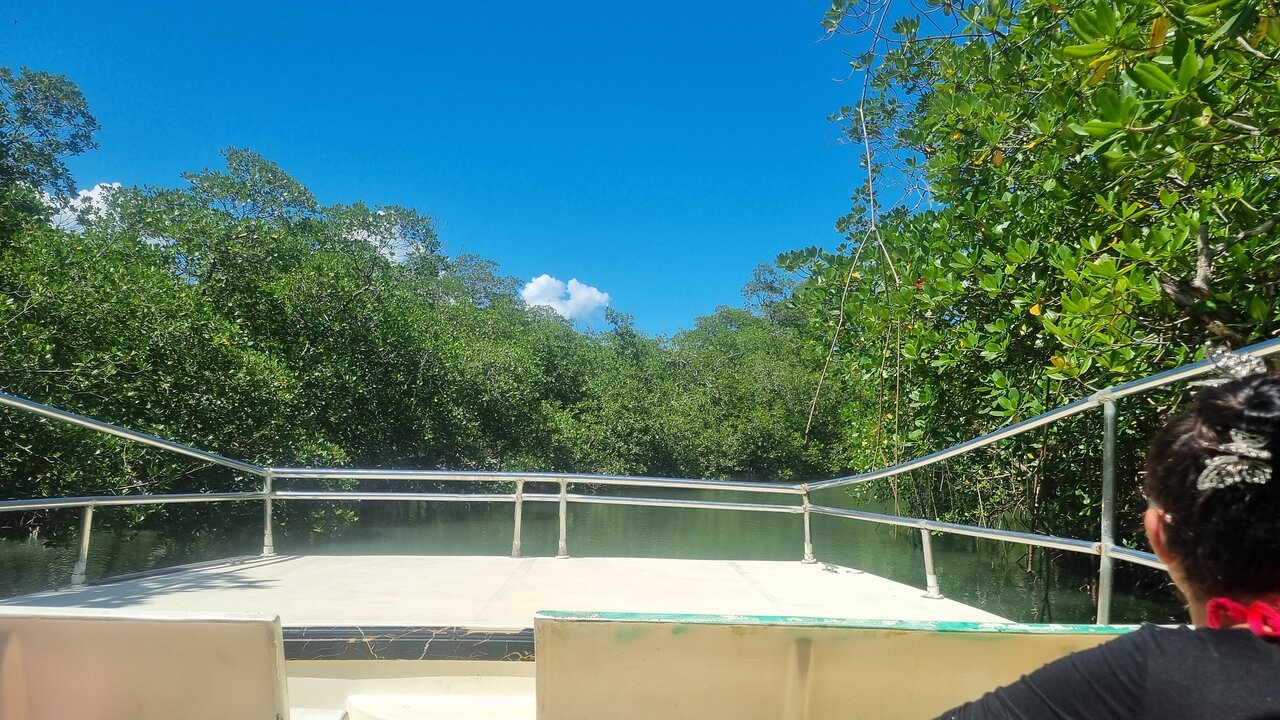
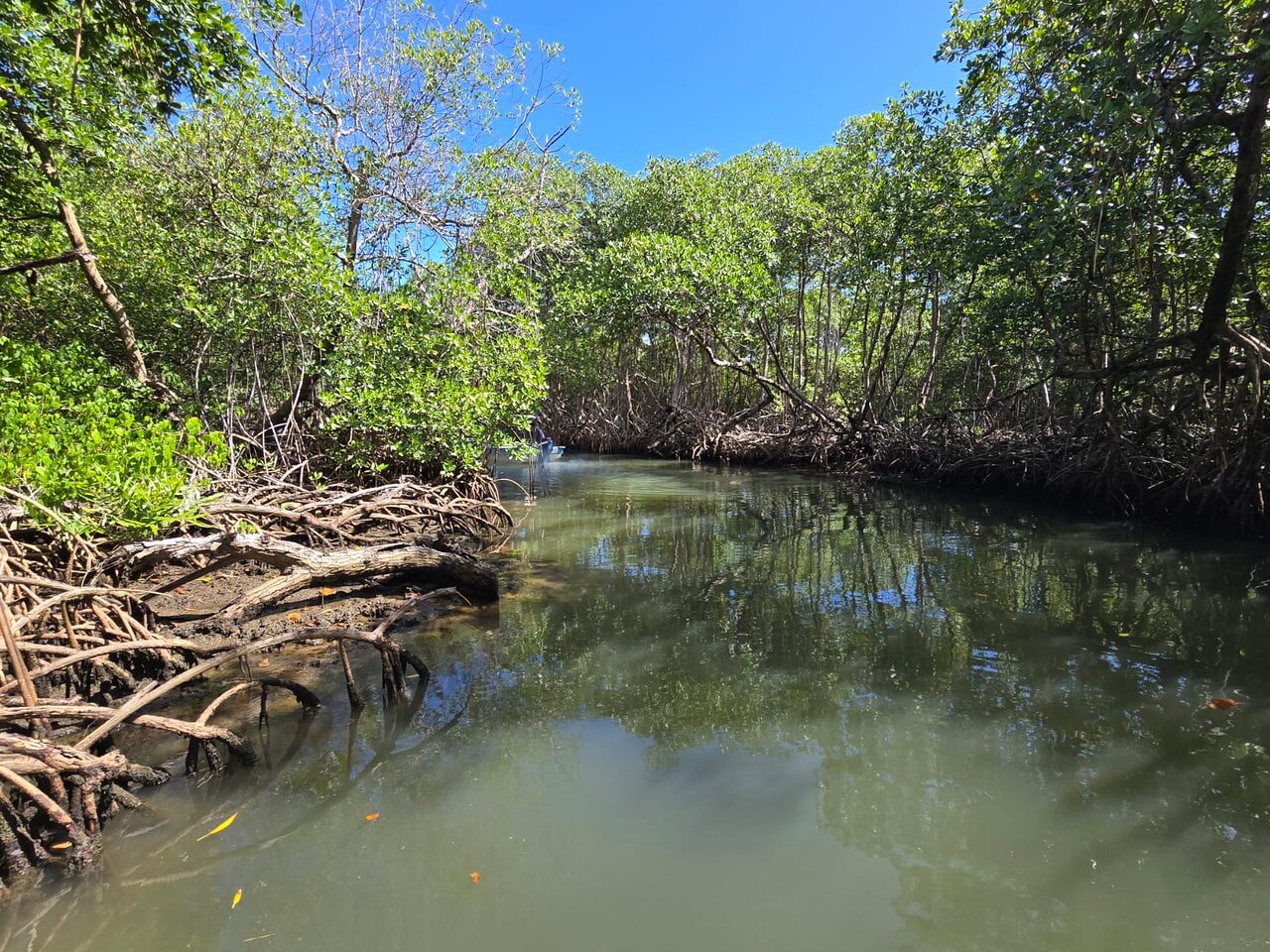
Cueva de la Arena is one of the caves associated with Los Haitises National Park. The Dominican Film Commission describes it as a natural cavity formed in karst limestone and accessed primarily by water through the mangrove environment.
Its documented characteristics include:
- Limestone cave galleries.
- Sandy deposits.
- Stalactites and stalagmites.
- High humidity.
- Indigenous Taíno pictographs and petroglyphs.
The cave demonstrates how geological and cultural features can exist within the same protected environment. Its limestone structure developed through natural processes, while its rock art represents human activity from an earlier period.
Cueva de la Arena is therefore a useful example of the different values that caves can hold: geological, ecological, educational and archaeological.
However, a published description of a cave does not automatically confirm that it is open for visitors on a particular date. Access must be checked before travel.
6. How Water Connects Caves With the Wider Park
Water is one of the most important forces shaping the caves of Los Haitises.
Rainfall enters the limestone through fractures, soil openings and depressions. Some water travels through underground passages before reaching springs, wetlands or coastal environments.
Research on the Los Haitises hydrogeological system identifies the importance of karstified limestone and groundwater movement. Studies have also examined the relationship between groundwater and wetlands in the region.
This connection helps explain why the park's underground and surface environments should not be treated as separate systems.
Rainfall and groundwater
Rainwater replenishes the underground water system. Its movement depends on the structure of the limestone, the size of openings and local geological conditions.
Underground drainage
In karst landscapes, underground channels can carry water through routes that are not visible from the surface. This makes the direction of groundwater movement difficult to understand from scenery alone.
Springs and wetlands
Groundwater may emerge at springs or contribute to wetland environments. These water systems are important parts of the wider landscape.
Coastal connections
Because Los Haitises includes coastal limestone environments, underground water movement forms part of a broader system involving land, wetlands and the sea. The exact route and connection vary from one location to another.
7. Why Cave Environments Are So Delicate
Caves can appear strong because they are formed in solid rock. However, their internal environments may be sensitive to disturbance.
Several factors make them vulnerable.
Slow-growing mineral formations
Stalactites and stalagmites develop over long periods. Touching, breaking or removing them can permanently damage formations that took a very long time to develop.
Changes in cave conditions
Caves can have high humidity and limited air movement. Introducing unnecessary disturbance may affect the conditions that support cave-dwelling organisms and mineral deposits.
Waste and pollution
Litter, food remains and other waste can contaminate cave floors and water. In karst landscapes, pollution may also affect groundwater because water can move through underground openings.
Disturbance to wildlife
Caves may provide shelter for animals, including bats and other organisms adapted to dark environments. Loud noise, unnecessary lighting and physical disturbance can interfere with their use of these spaces.
Damage to archaeological features
Some caves contain evidence of past human activity. Rock art and archaeological deposits are non-renewable cultural resources and should never be touched, scratched or altered.
8. Wildlife That May Use Cave Environments
Caves are not necessarily empty spaces. Depending on their conditions and location, they can provide shelter for animals that prefer dark, humid or protected environments.
Bats are among the animals commonly associated with tropical cave systems. They may use caves for resting, shelter or breeding, although the species and presence of bats vary between sites.
Other small animals may live in cave entrances, cracks and damp spaces. Some organisms are adapted to low-light environments, while others use the cave only occasionally.
Visitors should not assume that wildlife will be present during a particular visit. Animals may remain hidden, use different sections of a cave or avoid areas with human activity.
Responsible viewing means observing quietly, avoiding direct contact and never attempting to catch or feed animals.
9. Cave Exploration and Visitor Safety
Exploring a cave in Los Haitises is different from walking along an open forest trail. Cave floors can be uneven, damp or slippery, and some passages may have low ceilings or limited natural light.
Before visiting, confirm that the cave is currently authorized for public access and that your tour operator is following park requirements.
Follow these safety practices
- Stay with your guide. Do not enter side passages or restricted sections independently.
- Wear suitable footwear. Choose shoes with good grip that can handle damp and uneven surfaces.
- Watch your head and footing. Low ceilings, rocks and slippery patches can create hazards.
- Use lighting responsibly. Follow instructions about flashlights and photography, especially around wildlife and archaeological features.
- Do not touch cave formations. Oils and physical contact can damage delicate surfaces.
- Avoid loud noise. Keep voices low and respect animals and other visitors.
- Do not leave waste. Take all rubbish out with you.
- Respect closures. Never enter a cave or access area that has been closed by park authorities.
A cave visit should be treated as a guided nature experience, not an opportunity for unsupervised exploration.
10. Is Cueva de la Línea Open to Visitors?
Cave access can change because of infrastructure maintenance, safety inspections, weather and conservation requirements.
One important example is Cueva de la Línea. On June 23, 2026, the Dominican Republic Ministry of Environment announced its temporary closure after inspections identified significant deterioration in the access pier, including damaged wooden sections and unstable handrails.
The Ministry stated that the cave would remain closed while the necessary intervention was carried out and until safe public access could be confirmed.
Do not assume Cueva de la Línea has reopened simply because it appears in an older tour description or travel article. Check the latest official announcement and confirm the itinerary directly with the tour operator before booking.
The Ministry also stated that other areas authorized for public use in Los Haitises would continue operating under established protocols. This means a closure affecting one cave does not necessarily mean the entire national park is closed.
11. How to Prepare for a Cave Visit in Los Haitises
A little preparation can make a cave excursion more comfortable.
Choose an authorized excursion
Ask which cave is included in the itinerary and whether access has been confirmed for your travel date. Do not rely only on a generic list of attractions.
Wear practical clothing
Lightweight clothing is suitable for a tropical environment. Shoes with reliable grip are more important than fashionable footwear when walking on damp cave surfaces.
Protect your belongings
Keep cameras, phones and other valuables secure, especially when the excursion includes boat travel or wet environments.
Bring drinking water
Carry water for the wider excursion and follow your guide's instructions about where it can be consumed.
Ask about physical requirements
Some cave entrances or paths may involve steps, uneven ground or low-clearance sections. Ask the operator whether the route is appropriate for your mobility and comfort level.
Be flexible
The planned itinerary may change if a cave or access facility becomes unavailable. A responsible operator should follow current park rules rather than attempt to enter a restricted area.
12. Responsible Cave Tourism in Los Haitises
Cave tourism can help visitors appreciate the geological and cultural importance of Los Haitises. It also creates a responsibility to protect the places being visited.
Visitors can help by following a few simple principles:
- Never write, scratch or paint on cave walls.
- Do not touch or remove stalactites, stalagmites, stones or other natural features.
- Do not touch archaeological art or deposits.
- Avoid feeding, chasing or disturbing wildlife.
- Do not leave rubbish inside caves or along access routes.
- Follow the designated route and instructions of authorized guides.
- Respect temporary closures and restricted zones.
- Keep noise and unnecessary lighting to a minimum.
The goal is to leave the cave in the same natural condition in which it was found.
13. Why the Caves Are Important to the Identity of Los Haitises
The caves of Los Haitises help reveal the geological processes that shaped the park over immense periods of time.
Above ground, visitors see limestone hills, coastal cliffs, mangroves and small islands. Below ground, water has slowly dissolved and reshaped the same limestone, creating a hidden network of cavities and passages.
These underground features also help scientists understand groundwater movement and the development of the regional karst landscape.
Some caves hold archaeological evidence of human history, while cave environments may provide shelter for wildlife. Their importance therefore extends beyond tourism.
Protecting these spaces means protecting part of the park's geological history, water system, biodiversity and cultural heritage.
Frequently Asked Questions
1. Why are there natural caves in Los Haitises National Park?
The park contains extensive limestone formations. Slightly acidic rainwater dissolves the rock along cracks and fractures, gradually creating underground passages and chambers. This process is known as karstification.
2. What type of rock forms the caves?
The caves are formed mainly in limestone, a sedimentary rock rich in calcium carbonate. The limestone in the Los Haitises region has experienced extensive karst development.
3. What are stalactites and stalagmites?
Stalactites are mineral formations that hang from cave ceilings. Stalagmites grow upward from cave floors as mineral-rich water drips and deposits calcium carbonate.
4. Can visitors explore the caves of Los Haitises?
Some caves are included in authorized visitor experiences, but access depends on current park rules, safety conditions and official permissions. Confirm the specific cave and route before booking.
5. Is Cueva de la Arena a natural limestone cave?
Yes. The Dominican Film Commission describes Cueva de la Arena as a natural cavity formed in karst limestone, with galleries, sandy deposits and mineral formations.
6. Is Cueva de la Línea open?
The Ministry of Environment announced a temporary closure on June 23, 2026, because of deterioration to the access pier. Check for an official reopening announcement before planning to visit.
7. Are there animals inside the caves?
Cave environments can provide shelter for bats and other animals, but wildlife presence varies. Visitors should observe quietly and never disturb animals.
8. Are the caves safe for children?
Suitability depends on the specific cave, route, access conditions and the child's mobility. Ask the tour operator about steps, uneven surfaces, lighting and any age restrictions before booking.
9. Can visitors touch stalactites and stalagmites?
No. Touching or breaking mineral formations can damage them. Visitors should observe formations without handling them.
10. What should I wear for a cave excursion?
Wear comfortable clothing and shoes with good grip. Cave floors may be damp or uneven, so practical footwear is especially important.
11. Do all caves in Los Haitises have the same formations?
No. Cave shape, size, water movement and mineral deposits vary. Not every cave contains visible stalactites, stalagmites or large chambers.
12. Can a cave visit be combined with a boat tour?
Some authorized excursions combine boat travel with visits to caves and other park attractions. Confirm the exact route and cave access before booking because itineraries may change.
Final Thoughts
The natural caves of Los Haitises National Park are a remarkable result of the slow interaction between limestone and water. Their passages, chambers and mineral formations reveal a hidden side of the park that cannot be understood from its coastal scenery alone.
A responsible cave visit offers more than an interesting stop on a boat excursion. It provides an opportunity to learn about karst geology, groundwater, wildlife and the long natural history of the Dominican Republic.
Before visiting, confirm which caves are currently authorized and accessible. Once inside, follow your guide, protect the formations and leave the environment undisturbed.
Explore Los Haitises with curiosity, but help preserve its underground world for future generations.
Local explorer & expert guide in Birding Dominican Republic.