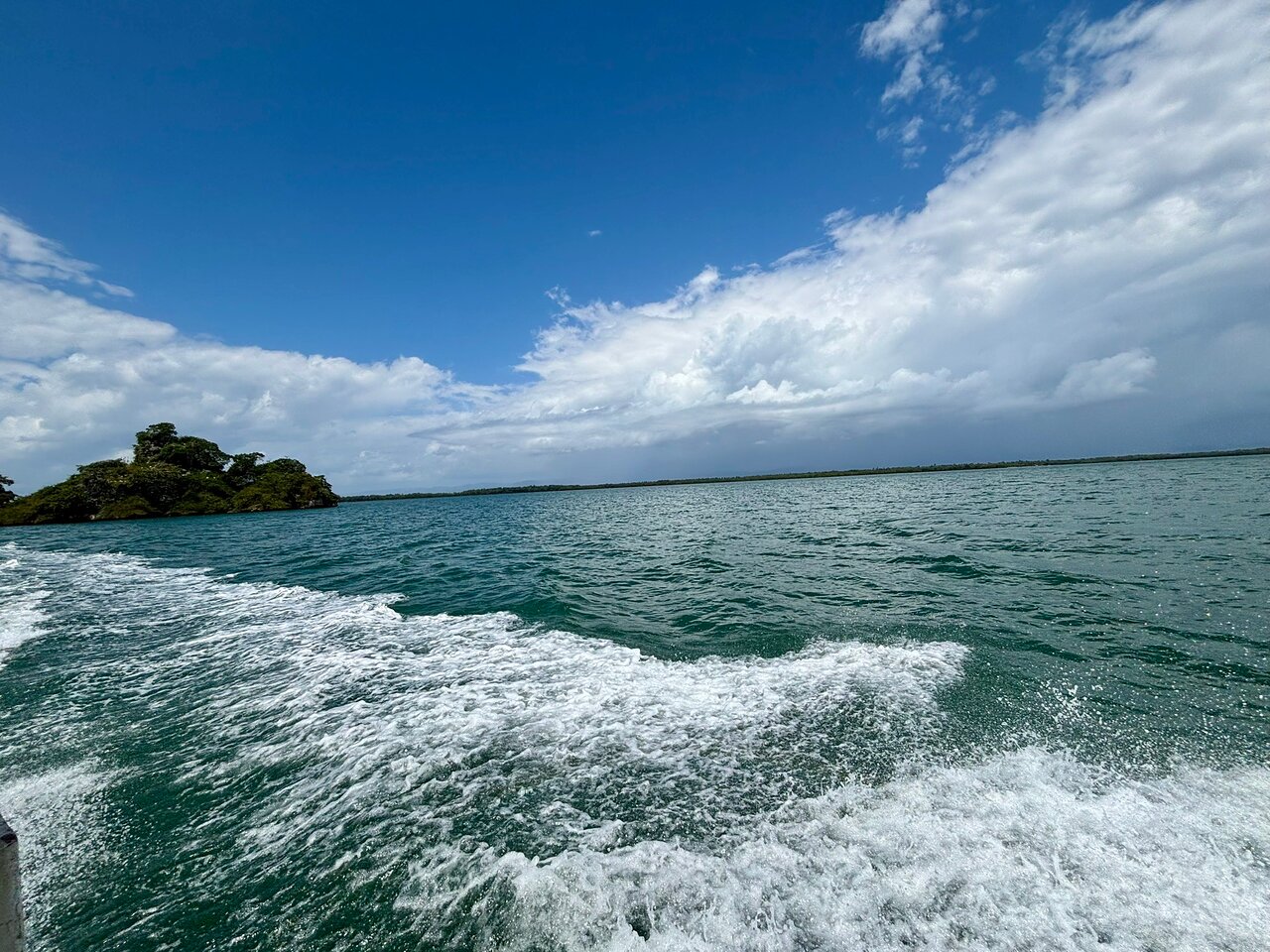
The Natural Caves of Los Haitises National Park: How Limestone Creates Underground Passages
Los Haitises National Park is famous for its mangrove forests, forest-covered limestone hills, coastal islands and remarkable biodiversity. Yet some of its most fascinating natural features are hidden beneath the surface. Inside the park's limestone landscape, natural caves and underground passages reveal a geological history shaped by water over thousands and, in some cases, millions of years.
These caves are not simply empty spaces in the rock. They are part of a wider karst system created as slightly acidic rainwater gradually dissolves limestone. Over time, water follows cracks and weaknesses in the rock, enlarging them into openings, chambers and passages. Minerals carried by dripping water can also form delicate structures such as stalactites and stalagmites.
For visitors, the caves offer an opportunity to appreciate a different side of Los Haitises. The scenery above ground is dramatic, but the underground environment helps explain how the park's distinctive landscape developed.
This guide explores how limestone caves form, what visitors may find inside them, why cave environments are delicate and what to know before planning a cave visit.
1. Why Does Los Haitises Have So Many Natural Caves?
The geology of Los Haitises provides the conditions needed for extensive cave development.
Much of the region is made up of limestone, a sedimentary rock rich in calcium carbonate. The Dominican Republic's geological studies describe the Los Haitises area as a strongly karstified limestone platform. Karst landscapes develop when water dissolves soluble rocks, especially limestone, creating distinctive surface and underground features.
Rainwater absorbs carbon dioxide from the atmosphere and soil. This produces a weak carbonic-acid solution. As the water passes over and through limestone, it slowly dissolves some of the rock.
The process is gradual. A small crack may become slightly wider as water continues to flow through it. With enough time, the opening can develop into a narrow passage, a larger chamber or part of a connected underground drainage system.
The combination of limestone, rainfall, fractures in the rock and long periods of chemical weathering has helped create the caves and other karst features found in Los Haitises.
2. How Limestone Caves Form
A limestone cave usually develops through several connected stages. The process is not identical in every cave, but the following explanation describes the basic mechanism.
Stage 1: Rainwater becomes slightly acidic
Rainwater absorbs carbon dioxide as it moves through the atmosphere and soil. This creates a weak acid capable of dissolving small quantities of calcium carbonate.
The water may look completely ordinary, but its chemical properties allow it to slowly alter limestone.
Stage 2: Water enters cracks in the limestone
Limestone often contains natural fractures, joints and bedding planes. Water can enter these openings and begin dissolving the rock along their surfaces.
At first, the cracks may be extremely narrow. Continued water movement gradually enlarges them.
Stage 3: Small openings develop into passages
As dissolution continues, some openings become larger and allow more water to pass through. The underground route may develop into a winding passage or chamber.
The direction of water movement, the structure of the rock and the availability of fractures all influence the shape of the developing cave.
Stage 4: Chambers and connected passages develop
Over long periods, underground water can create more extensive cave systems. Some passages may become dry when drainage patterns change, while others may continue to carry water.
This means that caves can contain different environments within the same geological system. Some sections may be relatively dry, while others remain damp or contain water.
Stage 5: Mineral deposits create cave formations
Water dripping from a cave ceiling may leave behind small amounts of dissolved minerals. As the water loses carbon dioxide and evaporates, calcium carbonate can be deposited.
Repeated deposits gradually build formations such as stalactites and stalagmites.
The geological studies of the Los Haitises region describe extensive karst development, including large cavities, chambers, galleries and mineral formations.
3. What Are Stalactites and Stalagmites?
One of the most recognizable features of limestone caves is the presence of mineral formations hanging from ceilings or rising from cave floors.
Although the names sound similar, stalactites and stalagmites develop in different places.
Stalactites: Formations hanging from the ceiling
Stalactites grow downward from cave ceilings.
Water containing dissolved calcium carbonate reaches the ceiling and forms droplets. As the water loses carbon dioxide or evaporates, a small amount of mineral material may remain.
Repeated dripping gradually adds layers of mineral deposits. Over time, these deposits can create pointed or irregular structures hanging from the ceiling.
Stalagmites: Formations growing from the floor
Stalagmites develop on cave floors beneath dripping water.
When droplets fall from the ceiling, they may deposit minerals where they land. Repeated deposits can gradually build upward into a mound or column.
Columns: When formations connect
In some caves, a stalactite and a stalagmite may eventually grow toward each other. If they meet, they can form a continuous mineral column.
These formations develop very slowly. Their growth rates vary according to water chemistry, humidity, temperature, airflow and other local conditions. Visitors should never touch or break them because even small disturbances can damage structures that took a long time to develop.
4. The Different Spaces Inside a Limestone Cave
Not every cave consists of one large chamber. A limestone cave may contain several different spaces connected by narrow or winding passages.
Cave entrances
An entrance is the opening through which a cave connects with the outside environment. Some entrances are large and clearly visible, while others may be narrow or partly hidden by vegetation or rock formations.
Light conditions change quickly as visitors move away from the entrance.
Passages and galleries
Passages are the routes connecting different sections of a cave. Some are relatively wide, while others may be narrow and uneven.
Larger passage systems are often described as galleries. Their shapes reflect the movement of water and the structure of the surrounding limestone.
Chambers
A chamber is a wider underground space. It may contain mineral deposits, rock surfaces, sediment or other features produced by the cave's geological history.
Some chambers can feel surprisingly spacious compared with the entrance passages.
Underground water areas
Water may collect or continue flowing through parts of a cave. These areas are important because underground drainage connects cave systems with the wider karst environment.
Visitors should never enter flooded or restricted cave sections unless access is specifically authorized and appropriate safety arrangements are in place.
5. Cueva de la Arena and the Limestone Environment
Cueva de la Arena is one of the named caves associated with Los Haitises National Park.
The Dominican Film Commission describes it as a natural cavity formed in karst limestone, with access mainly by water through the mangrove environment. Its description mentions galleries, sandy deposits, high humidity, stalactites and stalagmites.
This makes the cave an interesting example of how the park's coastal and underground environments exist close together.
The cave is also known for its archaeological significance, including Taíno pictographs and petroglyphs. These cultural features are important, but the cave's natural geology is equally valuable for understanding the formation of the Los Haitises landscape.
Visitors should remember that a published description of a cave does not automatically confirm that it is open to the public on a particular date. Access must follow current park regulations and any required permissions.
6. Cueva de San Gabriel and Its Underground Formations
Cueva de San Gabriel is another named cave associated with the park.
Official park information identifies San Gabriel among the area's cave attractions. Ministry of Environment material also illustrates stalactites and stalagmites in connection with the cave.
Like other limestone caves, its underground features should be understood as part of a wider karst landscape rather than as isolated decorations. Mineral deposits, rock surfaces, passages and chambers reflect the interaction between water and limestone over long periods.
The exact route, accessible sections and visitor conditions should be confirmed with the relevant park authorities or an authorized operator before a trip.
7. Why Are Cave Interiors So Humid?
Many limestone caves have a humid environment, especially where water continues to enter through cracks in the ceiling or surrounding rock.
Several factors influence cave humidity:
- Water infiltration: Rainwater may seep through the limestone and enter the cave.
- Limited sunlight: Most interior sections receive little or no direct sunlight.
- Air circulation: Narrow passages and cave geometry can limit air movement.
- Underground water: Pools, streams or wet surfaces contribute moisture to the surrounding air.
- Coastal conditions: The park's humid tropical environment can influence conditions around cave entrances.
Humidity is not necessarily the same throughout an entire cave. Conditions can vary between the entrance, passages and deeper chambers.
For visitors, this may mean slippery surfaces, damp clothing and changing visibility. Suitable footwear and careful movement are important.
8. How Caves Connect to the Wider Karst Landscape
The caves of Los Haitises are part of a larger geological system.
Above ground, karst processes help create distinctive landforms such as mogotes, depressions and irregular limestone surfaces. Underground, the same general process can create cavities, passages and chambers.
These features are connected by the movement of water.
Rain falling on the limestone landscape may enter cracks and depressions. Some water moves underground, while some flows across the surface before entering a drainage opening. Over time, underground pathways can influence where water travels through the region.
This connection explains why caves should not be viewed as separate attractions. They are part of the same geological environment responsible for the park's unusual hills, coastal rock formations and other limestone features.
9. Are Limestone Caves Still Changing Today?
Yes. Karst landscapes are dynamic, even though many changes occur too slowly to notice during a normal visit.
Water can continue dissolving limestone, enlarging some cracks and changing underground drainage routes. Mineral deposits may also continue forming where suitable conditions exist.
Other processes can change cave interiors:
- Rock fragments may fall from ceilings or walls.
- Sediment may be carried into passages by water.
- Water levels may rise or fall.
- Mineral deposits may grow in some areas and become eroded in others.
- Changes in drainage can leave older passages dry.
Not every cave changes at the same speed. The local geology, water chemistry and environmental conditions determine how these processes develop.
10. Why Cave Environments Need Protection
Caves are fragile environments. Their formations, surfaces and underground habitats can be damaged by careless visitor behavior.
A mineral formation that took a very long time to grow may be broken in seconds. Touching cave walls can also leave oils, dirt or other material on sensitive surfaces.
Responsible cave visits should follow several basic principles.
Do not touch mineral formations
Avoid touching stalactites, stalagmites and other delicate deposits. Even when a formation looks strong, its surface may be vulnerable.
Never write or scratch cave walls
Graffiti and scratching permanently damage natural and cultural features. Visitors should not mark rocks, walls or cave entrances.
Do not remove rocks or other objects
Leave stones, minerals, fossils, archaeological materials and other natural objects where they are found.
Avoid disturbing wildlife
Caves can provide shelter for animals, including bats and other species. Do not chase, feed, handle or deliberately disturb wildlife.
Follow authorized routes
Do not enter closed passages, climb barriers or explore restricted sections independently. Park rules and guide instructions take priority over personal curiosity.
The Dominican Republic's Ministry of Environment publishes visitor rules for protected areas that prohibit damaging natural features, removing objects, disturbing wildlife and leaving waste.
11. What Should Visitors Know Before Planning a Cave Visit?
A cave excursion in Los Haitises requires more planning than simply arriving at an entrance. The park is a protected area, and access to individual sites can depend on authorization, safety conditions and conservation requirements.
Before booking, consider the following:
Confirm which cave is included. Ask the operator to identify the specific cave or caves in the proposed itinerary. A general promise of a cave visit does not necessarily mean every named cave will be accessible.
Check current access conditions. Cave entrances, docks, trails and other facilities may be closed for maintenance, safety or conservation reasons.
Ask about the walking conditions. Find out whether the route involves uneven ground, steps, low ceilings, wet surfaces or narrow passages.
Wear suitable footwear. Closed footwear with a good grip is generally more practical than smooth-soled sandals for uneven or damp surfaces.
Bring only necessary items. Keep equipment secure and avoid leaving litter or unnecessary objects inside the cave.
Follow the guide's instructions. Do not move ahead of the group or enter sections that have not been approved for visitors.
Important current access note: Cueva de la Línea
The Dominican Republic's Ministry of Environment announced on June 23, 2026, that Cueva de la Línea was temporarily closed because its access pier had deteriorated. The Ministry said the closure would remain in place while the necessary work was assessed and completed to ensure safe access.
Do not assume that Cueva de la Línea is open simply because it appears in older park guides or tour descriptions. Check the Ministry's latest announcement or ask an authorized operator to confirm its current status before booking.
The closure announcement specifically concerned Cueva de la Línea; it should not be interpreted as a closure of every cave or all visitor areas in Los Haitises.
12. Is Cave Exploration Suitable for Every Visitor?
Not necessarily. Cave environments can include uneven floors, low ceilings, damp surfaces and limited natural light.
People who have difficulty walking, maintaining balance or moving through confined spaces should ask for detailed accessibility information before choosing an excursion.
Families with children should check the minimum age requirements and supervision arrangements with the operator. Visitors should never allow children to climb formations or move away from the guide.
If a cave route is unsuitable or unavailable, visitors can still appreciate other aspects of Los Haitises, including its mangrove channels, limestone scenery, bird habitats and authorized nature-viewing areas.
13. Why the Caves Make Los Haitises Special
The natural caves add an important dimension to the park's landscape.
The mangroves show how coastal ecosystems function above the water. The mogotes reveal the dramatic surface features of tropical karst. The caves provide a view into the underground processes that helped shape the region.
Together, these environments demonstrate how geology, water and biodiversity are connected.
A visit to Los Haitises is therefore more than a boat journey through beautiful scenery. It can also be an opportunity to understand the natural processes behind one of the Dominican Republic's most distinctive protected landscapes.
Frequently Asked Questions
1. Why does Los Haitises National Park have natural caves?
Much of Los Haitises is formed from limestone. Rainwater absorbs carbon dioxide and becomes slightly acidic, allowing it to dissolve the rock gradually. Over long periods, cracks and openings can develop into underground passages and chambers.
2. What is a karst cave?
A karst cave is a natural underground cavity formed mainly through the dissolution of soluble rocks such as limestone. Karst regions may contain caves, underground drainage systems, depressions and distinctive surface formations.
3. What is the difference between stalactites and stalagmites?
Stalactites hang down from cave ceilings, while stalagmites grow upward from cave floors. Both can form when water deposits calcium carbonate inside a cave.
4. Can visitors see stalactites and stalagmites in Los Haitises?
Official park material identifies stalactites and stalagmites among the cave features of Los Haitises. However, the formations visible to visitors depend on the specific cave, the authorized route and current access conditions.
5. Which caves are associated with Los Haitises National Park?
Named caves in official park information include Cueva de la Arena, Cueva de San Gabriel and Cueva de la Línea. Their current visitor access should be checked before planning a trip.
6. Is Cueva de la Arena a natural limestone cave?
Yes. The Dominican Film Commission describes Cueva de la Arena as a natural cavity formed in karst limestone. Its published description also mentions sandy deposits, humid conditions, mineral formations and archaeological features.
7. Is Cueva de la Línea open to visitors?
The Ministry of Environment announced a temporary closure on June 23, 2026, because of deterioration to its access pier. Visitors should verify whether it has officially reopened before including it in their plans.
8. Are limestone caves dangerous?
Caves can contain slippery surfaces, uneven floors, low ceilings and areas with limited light. Visitors should use only authorized routes, wear appropriate footwear and follow their guide's instructions.
9. Can visitors touch stalactites and stalagmites?
No. These formations are delicate and may take a very long time to develop. Touching, breaking or removing them can cause lasting damage.
10. Do all caves in Los Haitises have underground rivers?
No. Cave conditions differ. Some sections may contain water, while others may be dry or only occasionally receive water. It is inaccurate to assume that every cave contains an underground river.
Final Thoughts: Discover the Hidden Geology of Los Haitises
The caves of Los Haitises National Park reveal a geological story that cannot be understood from the coastline alone. Water has slowly dissolved limestone, enlarged underground openings and helped create chambers, passages and mineral formations.
Features such as stalactites and stalagmites show how even small quantities of dissolved minerals can build remarkable structures over time. The caves also connect with the park's wider karst landscape, including its mogotes and coastal limestone formations.
If you plan to explore a cave, confirm current access conditions, choose an authorized excursion and treat every natural and archaeological feature with care. Protecting these underground environments helps preserve one of the most fascinating parts of Los Haitises for future generations.
Local explorer & expert guide in Birding Dominican Republic.


