Los Haitises Mangroves: Types, Wildlife, Ecosystem and Why They Matter
The mangrove forests of Los Haitises National Park are among the most distinctive parts of its natural landscape. Their tangled roots, green canopies and sheltered waterways create an environment that looks very different from the open beaches and palm-lined coastlines often associated with the Dominican Republic.
These forests are not just beautiful scenery. Mangroves provide habitat for wildlife, support coastal food webs, help stabilize shorelines and connect land-based and marine ecosystems. They are an important reason Los Haitises is valued as a protected natural area.
For visitors, exploring a mangrove channel can be one of the most memorable parts of a trip to the park. For anyone interested in nature, understanding how this ecosystem works makes the experience even more meaningful.
What Are Mangroves?
Mangroves are groups of salt-tolerant trees and shrubs that grow along tropical and subtropical coastlines. They are commonly found in sheltered bays, tidal waterways, estuaries and coastal wetlands where land and seawater meet.
Unlike most ordinary trees, mangroves are adapted to conditions that can be difficult for other plants. Their environment may involve salty water, changing tides, waterlogged soil and limited oxygen around their roots.
Different mangrove species have developed different ways to cope with these conditions. Some have visible supporting roots, while others have specialized structures that help them exchange gases in wet soil.
In Los Haitises, mangroves form an important part of the park's coastal landscape, creating sheltered waterways and habitats for many forms of life.
Why Are Mangroves Important in Los Haitises?
Los Haitises is known for its limestone formations, caves, forests, waterways and mangrove habitats. The Dominican Republic's Ministry of Environment specifically identifies mangrove forests as one of the park's defining characteristics.
The mangroves matter for several connected reasons:
- They provide shelter and feeding areas for wildlife.
- Their root systems create habitat for aquatic organisms.
- They help hold coastal sediments in place.
- They reduce the force of moving water in some coastal settings.
- They connect land, freshwater and marine environments.
- They contribute to the ecological value of the protected area.
The importance of mangroves becomes easier to understand when you observe how closely the trees, water, mud, fish and birds are connected.
Main Types of Mangroves to Know
Mangrove species differ in their appearance, root structures and tolerance of environmental conditions. Three widely recognized types in the Dominican Republic are red, white and black mangroves.
Buttonwood is also commonly discussed in coastal vegetation communities, although it is often classified as a mangrove associate rather than a true mangrove.
The following descriptions are useful for understanding mangrove ecology. They should not be treated as a verified species inventory for every individual channel in Los Haitises.
1. Red Mangrove
Red mangrove (Rhizophora mangle) is especially recognizable because of its arching prop roots. These roots extend from the trunk and branches toward the ground or water, giving the tree a distinctive supported appearance.
The roots help anchor the tree in soft coastal sediments. They also create complex spaces where small aquatic organisms can find shelter.
In mangrove waterways, red mangrove roots may be among the most visually striking features visitors notice from a boat.
Why it matters: Its root network creates habitat structure and helps stabilize soft coastal environments.
2. White Mangrove
White mangrove (Laguncularia racemosa) is another species associated with Caribbean coastal wetlands.
It generally has a less dramatic root appearance than red mangrove. Its leaves and overall tree form can help distinguish it, although identifying a species accurately may require a closer look at several characteristics.
White mangroves contribute to the diversity and structure of coastal vegetation. Their role depends on local conditions such as water movement, soil and salinity.
Why it matters: It contributes to the variety of plant communities found in mangrove environments.
3. Black Mangrove
Black mangrove (Avicennia germinans) is known for specialized upward-growing roots called pneumatophores. These structures project above the soil and help the tree exchange gases in waterlogged conditions.
A muddy area around a black mangrove may contain many small root projections. They are a visible example of how plants adapt to environments where ordinary underground roots may receive too little oxygen.
Why it matters: Its specialized root system allows it to survive in challenging coastal soils.
4. Buttonwood and Other Coastal Associates
Buttonwood (Conocarpus erectus) is often found in coastal plant communities near mangroves. It is sometimes included in broad descriptions of mangrove vegetation, but botanically it is generally treated as a mangrove associate.
This distinction matters because not every tree growing beside a mangrove channel is necessarily a true mangrove species.
For visitors, the wider coastal plant community is part of the landscape. The transition between wet mangrove habitat and slightly higher ground can support different kinds of vegetation.
Wildlife That Depends on Mangrove Habitats
Mangroves support a range of wildlife because their roots, branches, mudflats and surrounding waters provide different types of habitat.
The species present vary with location, season, water conditions and the specific part of the park being visited. A wildlife sighting should never be guaranteed as part of a tour.
Birds
Birds are among the most noticeable animals in mangrove environments. Some use the trees for resting or nesting, while others search for fish and other food in shallow water.
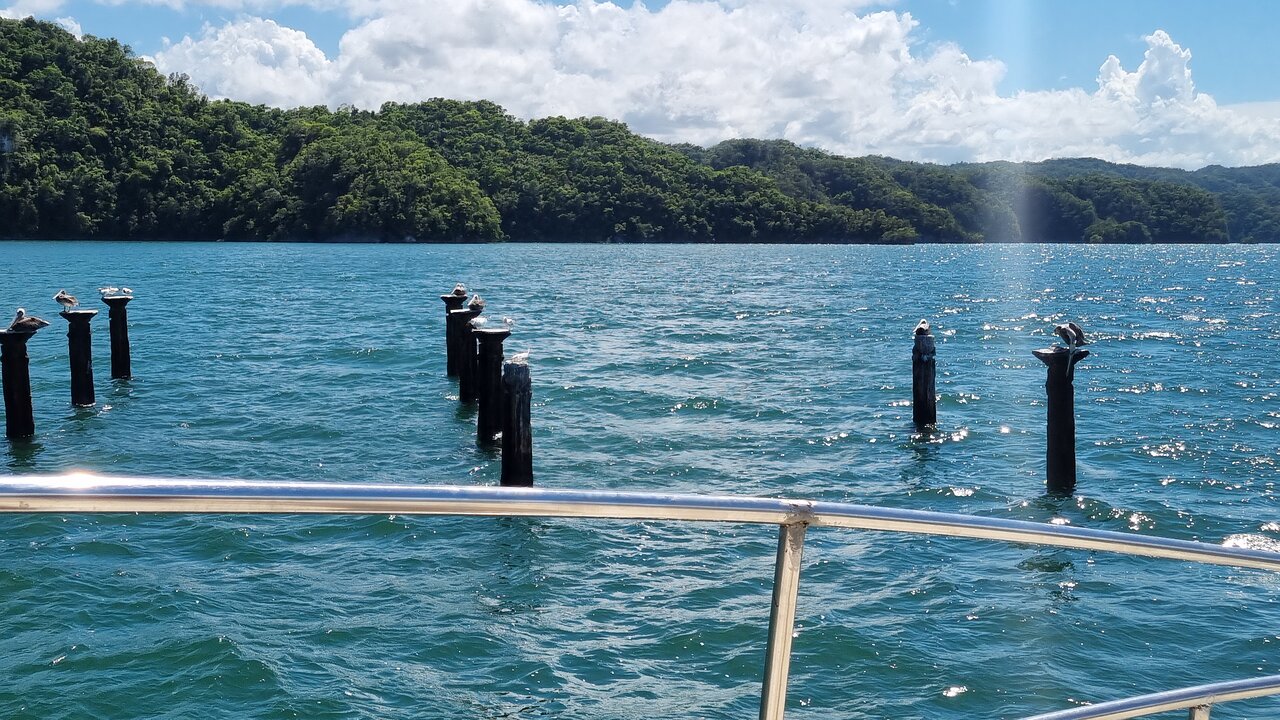
The official Dominican Republic tourism information describes birds such as pelicans, herons and egrets in Los Haitises. Visitors may also see other coastal and forest birds during an excursion.
Bring binoculars if birdwatching is one of your interests. Observe quietly and avoid approaching nesting areas.
Fish and Juvenile Marine Life
The spaces between mangrove roots can provide shelter for small fish and other aquatic organisms. These sheltered areas can be important during early stages of life, when smaller animals may benefit from protection and access to food.
Mangroves are therefore connected to wider coastal fisheries and marine food webs.
The water around a mangrove forest is not an isolated habitat. It forms part of a larger system linking rivers, wetlands, bays and the sea.
Crabs and Other Invertebrates
Mud, roots and shallow water create many small habitats for crabs, mollusks and other invertebrates.
These animals contribute to the ecosystem by feeding on organic material, supporting food chains and helping recycle nutrients.
Visitors may not see every animal during a boat trip, but the habitat contains far more life than is immediately visible from the surface.
Other Wildlife
Mangrove ecosystems can also be used by reptiles, mammals and other animals, depending on the local environment.
It is important not to assume that a particular species will be present in every section of Los Haitises. The best approach is to treat the forest as a living habitat and appreciate whatever wildlife can be observed without disturbance.
How Mangroves Protect the Coast
One of the most important functions of mangroves is their relationship with coastal stability.
1. Helping Reduce Shoreline Erosion
Mangrove roots can hold sediment in place. Their dense structures also slow water movement in some settings, allowing suspended material to settle.
This can help stabilize muddy shorelines and coastal wetlands.
Mangroves do not prevent all erosion, and their effectiveness depends on factors such as forest condition, wave exposure, water depth and coastal geography.
2. Reducing Wave and Storm Impacts
A healthy mangrove belt can reduce some wave energy before water reaches areas farther inland. This makes mangrove conservation important for coastal resilience.
The level of protection varies according to forest width, tree density, species, storm conditions and the shape of the shoreline. Mangroves should not be described as a guarantee against hurricanes or flooding.
3. Supporting Coastal Water Quality
Mangrove roots and nearby sediments can trap some suspended particles. Mangrove ecosystems also participate in natural nutrient cycling.
This does not mean mangroves can remove every pollutant or replace proper wastewater treatment. Preventing pollution at its source remains essential.
Mangroves as Nurseries for Marine Life
A mangrove forest can function as a nursery habitat for young marine organisms.
The complex root structure creates sheltered spaces, while nearby shallow water can provide feeding opportunities. Small fish, shrimp and crabs may use these environments during parts of their life cycles.
Some animals later move into other coastal or marine habitats as they grow.
This connection helps explain why mangroves are important beyond the boundaries of the forest itself. Protecting the mangrove ecosystem can also support wider coastal biodiversity.
Mangroves and Climate Change
Mangrove forests are important in discussions about climate change because they store carbon in both their vegetation and waterlogged soils.
When mangrove ecosystems remain healthy, carbon can be stored for long periods. When forests are cleared or degraded, some of that stored carbon may be released.
Mangroves also contribute to coastal adaptation by helping reduce certain wave and erosion impacts.
However, they are not a complete solution to climate change. Protecting existing forests, reducing emissions and managing coastal development responsibly all remain necessary.
Exploring the Mangroves as a Visitor
A mangrove visit is one of the experiences commonly associated with Los Haitises National Park. The Ministry of Environment lists mangrove excursions and boat trips among the park's visitor activities.
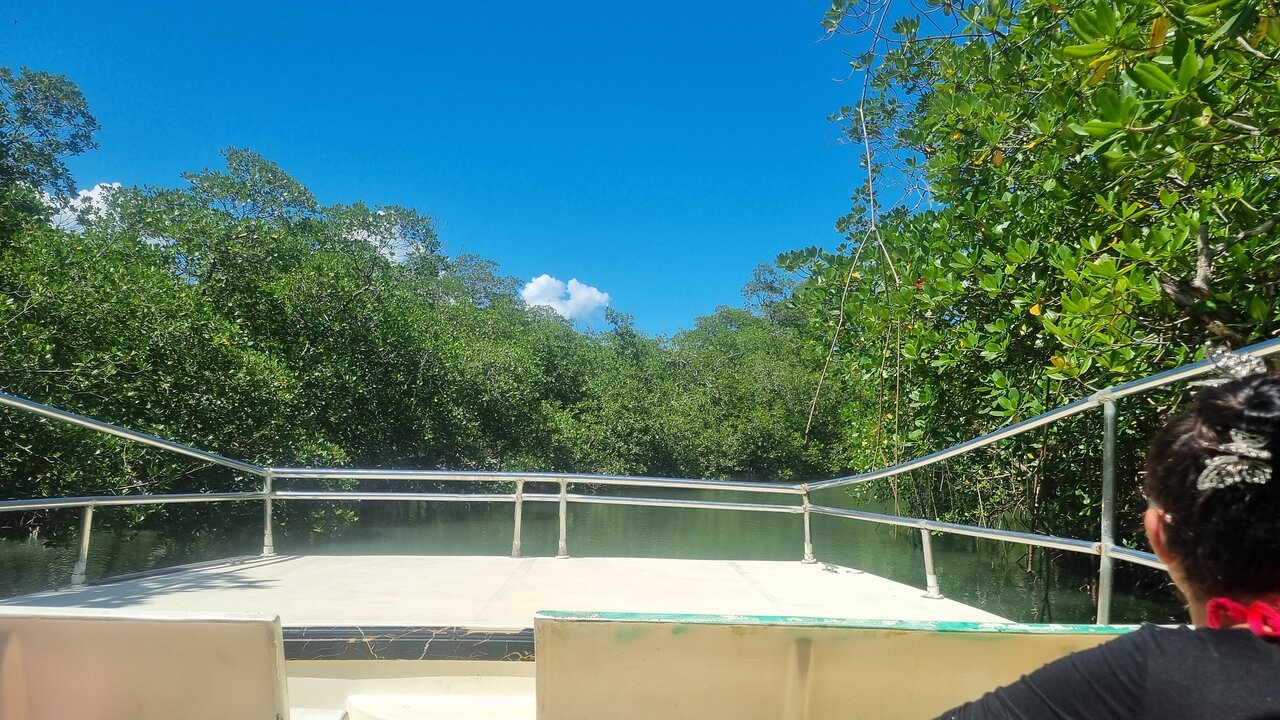
Depending on the confirmed itinerary, visitors may travel through waterways bordered by mangrove vegetation and observe the forest from a boat.
Some excursions elsewhere in the region may offer kayaking, but availability should be confirmed rather than assumed for every Los Haitises trip.
During your visit:
- Look at the different shapes of mangrove roots.
- Notice where vegetation meets the water.
- Watch quietly for birds and aquatic life.
- Listen to your guide's explanation of the ecosystem.
- Keep your hands and rubbish out of the water.
- Stay on the authorized route.
The experience is not about collecting plants or getting as close as possible to wildlife. It is about observing a sensitive environment without damaging it.
Best Way to Photograph the Mangroves
Mangroves offer interesting photographic subjects because of their textures, reflections and changing light.
Consider photographing:
- Root systems extending into shallow water.
- Green branches forming a natural corridor.
- Reflections on calm water.
- Birds resting near the shoreline.
- The transition between mangrove forest and open water.
Protect your camera or phone from splashes and humidity. A secure strap is useful on a boat, and a waterproof bag can help protect spare equipment.
Avoid standing on exposed roots, entering restricted areas or disturbing birds to create a photograph.
Threats to Mangrove Forests
Mangroves are valuable but can be damaged by human activities and environmental changes.
Potential pressures include:
Coastal Development
Construction and changes to natural shorelines can remove mangrove vegetation or interrupt the movement of water through wetlands.
Pollution
Plastic waste, untreated wastewater, fuel and other pollutants can harm coastal habitats and wildlife.
Changes in Water Flow
Mangroves depend on suitable patterns of tidal and freshwater movement. Altering waterways can change the conditions that allow mangrove trees to survive.
Unsustainable Resource Use
Cutting trees or damaging roots can weaken the structure of a mangrove forest and reduce habitat quality.
Climate and Extreme Weather
Changes in sea level, temperature, rainfall and storm patterns can affect mangrove ecosystems. Healthy forests may recover from some disturbances, but recovery is not guaranteed.
Protecting mangroves requires long-term management rather than relying on tourism alone.
How Visitors Can Help Protect Los Haitises Mangroves
Travelers can support conservation through simple decisions.
- Choose excursions that follow park rules and authorized routes.
- Never throw plastic, food packaging or other rubbish into the water.
- Do not break branches or damage roots.
- Avoid feeding birds and other wildlife.
- Keep noise low in sensitive habitats.
- Follow instructions about where boats may travel.
- Respect any temporary closure or restricted area.
- Support responsible local tourism services.
A visitor does not need to participate in a formal conservation project to make a positive difference. Respectful behavior during an ordinary excursion is already valuable.
Frequently Asked Questions About Los Haitises Mangroves
Does Los Haitises National Park have mangrove forests?
Yes. The Dominican Republic's Ministry of Environment identifies mangrove forests as one of the defining characteristics of Los Haitises National Park.
What types of mangroves grow in the Dominican Republic?
Commonly recognized types include red mangrove, white mangrove and black mangrove. Buttonwood is also associated with coastal mangrove communities, although it is generally classified as a mangrove associate.
Why are mangroves important in Los Haitises?
They provide habitat for wildlife, support aquatic food webs, help stabilize coastal sediments and contribute to the ecological value of the park.
What animals live in mangrove forests?
Mangrove habitats can support birds, fish, crabs, shrimp, mollusks and other wildlife. The exact species present varies by location and environmental conditions.
Can visitors explore the mangroves by boat?
Yes. Boat excursions and mangrove visits are among the activities listed by the Ministry of Environment for Los Haitises. The route and locations depend on the approved itinerary.
Can you kayak through Los Haitises mangroves?
Kayaking is mentioned by the official Dominican Republic tourism website as a way to explore the park's mangrove system. Confirm whether it is currently available on your selected excursion.
Do mangroves protect against hurricanes?
Mangroves can reduce some wave energy and help stabilize shorelines, but they cannot prevent all storm damage, flooding or hurricane impacts.
Are mangroves important for fish?
Yes. Mangrove roots and nearby shallow waters can provide shelter and nursery habitat for young fish and other aquatic organisms.
What should I bring for a mangrove excursion?
Bring sun protection, drinking water, comfortable clothing, a secure camera or phone and a waterproof bag for electronics. Follow your operator's instructions for any additional equipment.
How can tourists help conserve the mangroves?
Visitors can avoid littering, stay on authorized routes, keep noise low, avoid disturbing wildlife and choose excursions that respect protected-area rules.
Discover the Mangroves of Los Haitises
The mangroves of Los Haitises are much more than a scenic part of a boat excursion. They are living coastal ecosystems that support wildlife, connect marine and terrestrial habitats and help protect vulnerable shorelines.
For visitors, exploring these forests offers an opportunity to see a different side of the Dominican Republic. For the long-term future of the park, protecting the mangroves is essential.
When planning your Los Haitises experience, choose a responsible excursion, follow local guidance and take time to appreciate the natural environment. A quiet journey through the mangrove waterways can become one of the most meaningful parts of your visit.
Local explorer & expert guide in Birding Dominican Republic.