Least Pauraque in the Dominican Republic: Range, Habitat and Why It Is Not a Confirmed Los Haitises Bird
The Dominican Republic is home to remarkable bird species, including several found only on the island of Hispaniola. Among its most unusual nocturnal birds is the Least Pauraque (Siphonorhis brewsteri), a small, secretive member of the nightjar family.
Unlike colorful parrots or easily observed coastal birds, the Least Pauraque is difficult to find. It spends much of the day resting in vegetation close to the ground and becomes active around dusk and during the night. Its distinctive vocalizations can help observers detect it in suitable habitat.
Although this bird belongs to the wider wildlife story of the Dominican Republic, there is an important geographical detail for travelers interested in Los Haitises National Park: the available Los Haitises bird checklist does not include the Least Pauraque among its recorded species. Its documented range is concentrated mainly in central and western parts of the Dominican Republic and in Haiti.
Understanding this distinction helps birdwatchers plan realistic wildlife experiences and appreciate the different habitats found across Hispaniola.
What Is the Least Pauraque?
The Least Pauraque is a nocturnal bird in the family Caprimulgidae, the family that includes nightjars and related species. Its scientific name is Siphonorhis brewsteri.
It is native to Hispaniola, the Caribbean island shared by the Dominican Republic and Haiti. Unlike migratory species such as the Chuck-will’s-widow, the Least Pauraque is considered a resident bird rather than a seasonal visitor.
The species is sometimes called the Least Poorwill in conservation references. Both common names refer to the same bird.
Its appearance is well suited to a life spent close to the forest floor. Its plumage is brownish-gray, with mottled dark and pale markings that help it blend into dry leaves, branches and surrounding vegetation. A noticeable pale throat marking is among the features described in historical field accounts.
Because it is secretive and often active in low light, a casual visitor may pass through suitable habitat without seeing one.
Where Does the Least Pauraque Live?
The Least Pauraque has a restricted distribution on Hispaniola. BirdLife International describes its known range in the central and western Dominican Republic, including areas around the northern slopes of the Sierra de Bahoruco and between Oviedo and Pedernales. It is also recorded in parts of Haiti.
This distribution is important because it does not support describing the bird as a confirmed resident of every Dominican national park.
The available Avibase checklist for Los Haitises National Park lists 183 bird species, but the Least Pauraque does not appear in that list. Therefore, visitors should not expect to find it during an ordinary Los Haitises excursion.
This does not mean that the species is unimportant to the country's biodiversity. It means that its documented range and habitat should guide where birdwatchers search for it.
For travelers visiting Sabana de la Mar, the bird is best understood as part of Hispaniola's wider wildlife heritage rather than a confirmed attraction within Los Haitises.
Habitat: Why Dry Forests Matter
The Least Pauraque is particularly associated with arid and semi-arid lowlands. It uses scrubby woodland, including areas with cactus and other dry-adapted vegetation.
BirdLife International also describes the species in broadleaf, pine and mixed forests at elevations up to approximately 800 meters. Historical field observations reported it in several forest types, although it was more abundant in dry lowland areas.
Its habitat preferences explain why the species is associated with parts of the Dominican Republic that look very different from the humid mangroves and coastal wetlands of Los Haitises.
Dry woodland can provide:
- Low vegetation and branches for daytime resting
- Open spaces for nocturnal movement
- Ground-level areas for nesting
- Insects and other small prey
- Natural cover that helps the bird avoid detection
The presence of these habitat features is important, but habitat suitability alone does not prove that the species occurs at a particular location.
How to Identify a Least Pauraque
Finding a Least Pauraque requires patience. Its camouflage and nocturnal habits make it difficult to observe, especially for visitors unfamiliar with nightjar species.
Some useful identification characteristics include:
Mottled brownish-gray plumage: Its upperparts have a mixture of brown, gray and darker markings that help it blend into woodland vegetation.
Pale throat marking: Historical descriptions mention a distinct pale band on the throat.
Longer-looking legs: The relatively noticeable tarsus is mentioned in the historical species description.
Low resting position: The bird may rest on branches close to the ground or in low vegetation.
Nocturnal behavior: It is most active around dusk and during the night.
A photograph or sound recording can be useful for confirmation. However, bird identification should consider several characteristics rather than relying on one feature alone.
The Distinctive Call of the Least Pauraque
The Least Pauraque is often easier to detect by listening than by searching visually.
A historical study published in American Birds in 1979 described several vocalizations. One commonly reported call was rendered as a three-syllable phrase resembling “pau-ra-kay.” The authors also described a clear rising trill and other repeated sounds.
These descriptions are useful historical references, not a guarantee that every individual will produce exactly the same sound in every situation.
The species' calls are important for field identification because the bird can remain hidden in vegetation. An observer who hears a possible Least Pauraque should compare the recording with verified reference material and consider the location and habitat.
Recorded bird calls should be used responsibly. Playing sounds repeatedly to attract a secretive bird can disturb wildlife, especially when individuals are resting or communicating.
Why Is the Least Pauraque Difficult to Find?
Several characteristics make this species challenging for birdwatchers.
First, its plumage is naturally camouflaged. Brown and gray markings allow it to blend into branches, leaves and dry vegetation.
Second, it spends daylight hours resting in concealed locations. Unlike many birds that move openly through the canopy, the Least Pauraque may remain still close to the ground.
Third, its activity is concentrated around dusk and nighttime. Visitors who explore forests only during daylight may have limited opportunities to encounter it.
Finally, its distribution is restricted. Birdwatchers need to visit appropriate regions rather than assuming that every forest in the Dominican Republic supports the species.
These characteristics make local knowledge and reliable observation records particularly valuable.
Is the Least Pauraque Found in Los Haitises National Park?
This is an important question for visitors researching birds of Los Haitises.
The available Avibase checklist for Los Haitises National Park includes 183 species, but it does not list the Least Pauraque. BirdLife International's published range description instead identifies central and western parts of the Dominican Republic and areas of Haiti.
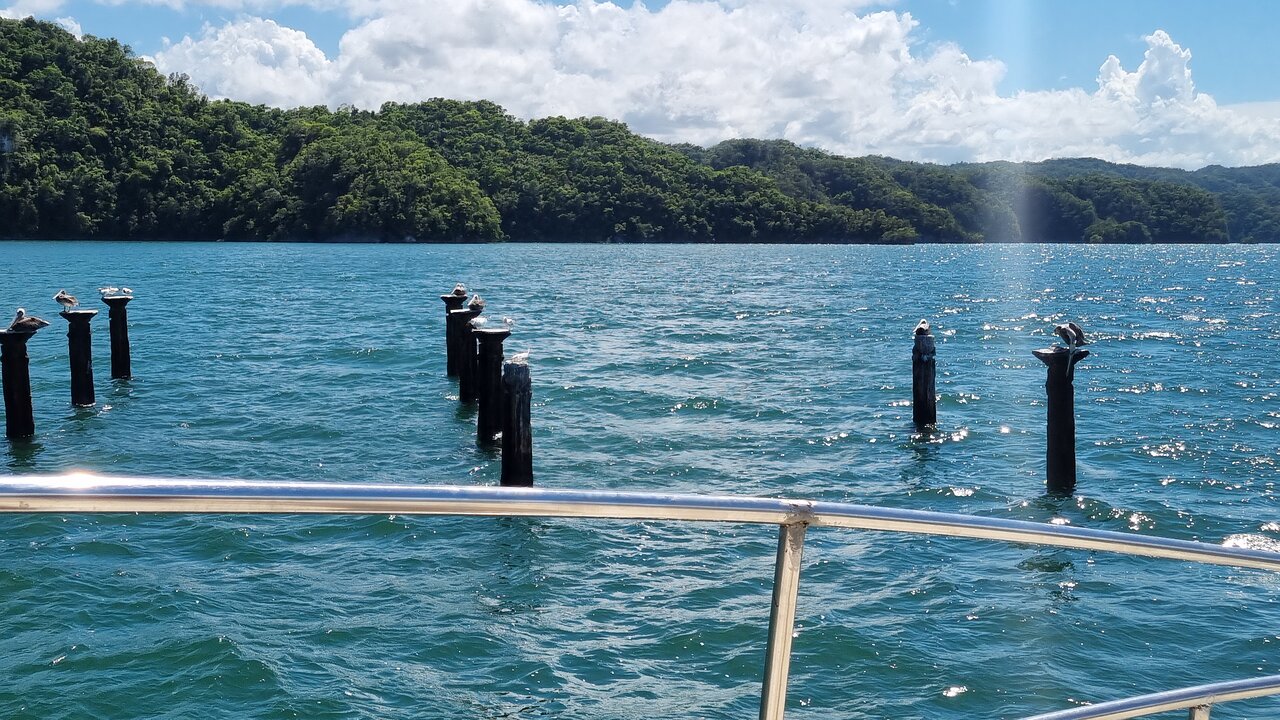
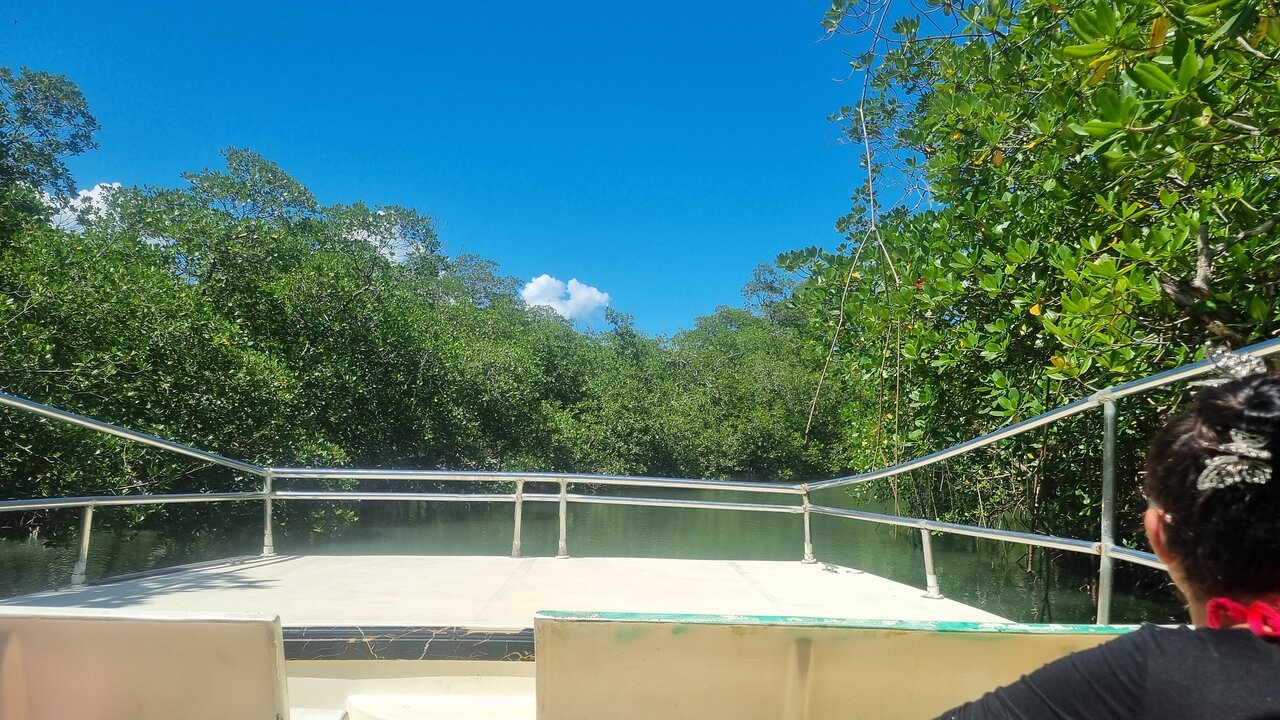
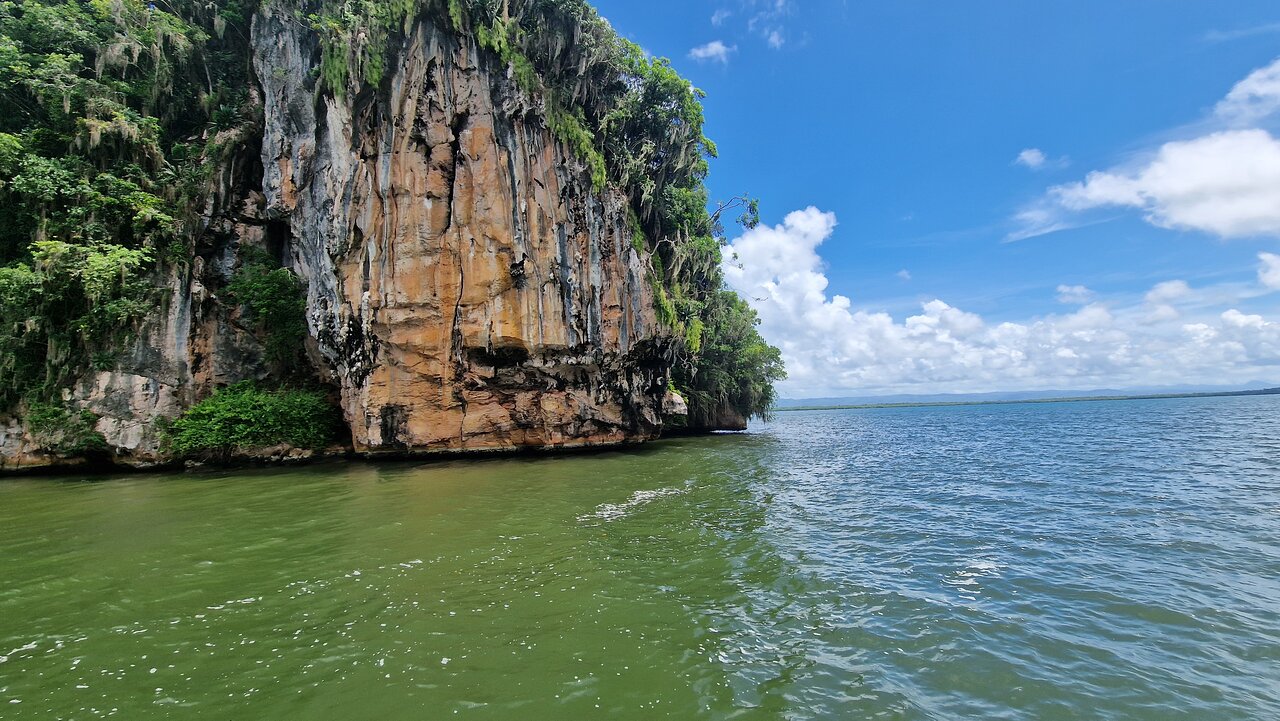
Los Haitises is known for a different combination of habitats, including mangroves, coastal wetlands, forested limestone hills and humid vegetation. These landscapes support many birds, but they should not be treated as interchangeable with the dry scrubland habitats most strongly associated with the Least Pauraque.
For this reason, the species should not be advertised as a guaranteed sighting or a confirmed birding attraction in Los Haitises.
Travelers interested in this bird should seek current local records and guidance from experienced birdwatchers familiar with its known range.
Conservation Status and Threats
The Least Pauraque is classified as Near Threatened in the IUCN assessment published in 2021. The assessment reports a decreasing population trend and an estimated 4,140 mature individuals, although BirdLife identifies the quality of the population estimate as poor.
Several threats affect its long-term survival.
Habitat destruction
Logging, vegetation clearance and the burning of scrubland can reduce the amount of suitable habitat available to the species.
Because the bird depends on particular woodland and scrub environments, the loss or degradation of these areas can affect local populations.
Introduced predators
Rats and small Indian mongooses are among the introduced mammals identified as potential predators. Ground-level nesting and resting behavior can make birds vulnerable to predators that search through vegetation and leaf litter.
Limited monitoring
The species is secretive and can be difficult to survey. More research is needed to understand its population distribution, local abundance and changes over time.
Protecting remaining habitat and improving monitoring are important parts of conservation.
The Least Pauraque and Hispaniola's Other Night Birds
Hispaniola supports several nocturnal birds, but they should not be confused simply because they are active after sunset.
Least Pauraque
The Least Pauraque is Siphonorhis brewsteri. It is a resident Hispaniolan species associated particularly with dry and semi-dry woodland and scrub.
Hispaniolan Nightjar
The Hispaniolan Nightjar (Antrostomus ekmani) is a different species. It is also associated with Hispaniola, but its taxonomy, habitat use and distribution should be considered separately.
Chuck-will’s-widow
The Chuck-will’s-widow (Antrostomus carolinensis) is a migratory species that visits the Caribbean outside its North American breeding season. It is not an endemic resident of Hispaniola.
Northern Potoo
The Northern Potoo (Nyctibius jamaicensis) belongs to a different bird family. Its upright resting posture and remarkable camouflage distinguish it from nightjars.
These differences matter when identifying nocturnal birds and interpreting local bird checklists.
Can Visitors Go Birdwatching for the Least Pauraque?
Visitors should first identify regions where the species has reliable records. A trip to Los Haitises should not be planned specifically around finding the Least Pauraque because the available park checklist does not confirm it there.
If you are traveling elsewhere in the Dominican Republic to look for this bird, consider the following:
- Consult current regional bird records before choosing a destination.
- Ask an experienced local birdwatcher about recent observations.
- Visit suitable habitat with permission and appropriate guidance.
- Use binoculars and recording equipment without disturbing wildlife.
- Avoid walking through dense vegetation in search of resting birds.
- Follow local conservation rules and protected-area access restrictions.
A responsible birdwatching trip prioritizes habitat protection over obtaining a photograph.
What Los Haitises Visitors Can Learn from This Species
Even though the Least Pauraque is not confirmed on the available Los Haitises checklist, learning about it helps visitors understand the ecological diversity of the Dominican Republic.
The island contains humid forests, dry scrubland, mountains, mangroves, wetlands and coastal ecosystems. Each environment supports different wildlife communities.
Los Haitises is especially important for its mangroves, limestone formations, caves and wetland habitats. Other birds recorded in the park offer opportunities to explore this environment without making unsupported claims about species that have not been documented there.
For nature travelers arriving through Sabana de la Mar, this distinction makes wildlife education more meaningful. It shows that conservation and responsible tourism depend on accurate information about where animals actually live.
Frequently Asked Questions
Is the Least Pauraque endemic to Hispaniola?
Yes. The species is native to Hispaniola and is found in the Dominican Republic and Haiti.
What is the scientific name of the Least Pauraque?
Its scientific name is Siphonorhis brewsteri.
Is the Least Pauraque found in Los Haitises National Park?
It is not listed in the available Avibase Los Haitises National Park checklist. Its documented Dominican range is concentrated mainly in central and western parts of the country.
Where does the Least Pauraque live in the Dominican Republic?
BirdLife International describes its range in central and western areas, including parts of the Sierra de Bahoruco region and locations between Oviedo and Pedernales.
What habitat does the Least Pauraque prefer?
It is especially associated with arid and semi-arid lowlands, scrubby woodland and dry forest. It has also been recorded in broadleaf, pine and mixed forests.
Is the Least Pauraque nocturnal?
Yes. It is mainly active around dusk and at night, while resting inconspicuously on branches close to the ground during daylight.
What does the Least Pauraque sound like?
Historical descriptions include a rising trill and a repeated phrase resembling “pau-ra-kay.” Vocalizations can help observers detect the bird.
Is the Least Pauraque endangered?
Its global IUCN category is Near Threatened, according to the 2021 assessment. The assessment reports a decreasing population trend.
Discover the Different Wildlife Habitats of the Dominican Republic
The Least Pauraque is a reminder that the Dominican Republic's wildlife cannot be understood through a single destination or ecosystem. Its association with dry woodland contrasts with the mangroves, wetlands and limestone landscapes that make Los Haitises National Park distinctive.
When planning a visit to Los Haitises from Sabana de la Mar, focus on the wildlife and habitats that are actually documented in the park. Choose responsible excursions, follow local guidance and enjoy the natural environment without expecting guaranteed sightings of particular species.
Accurate wildlife information helps travelers make better decisions while supporting the long-term protection of Hispaniola's remarkable biodiversity.
Local explorer & expert guide in Birding Dominican Republic.