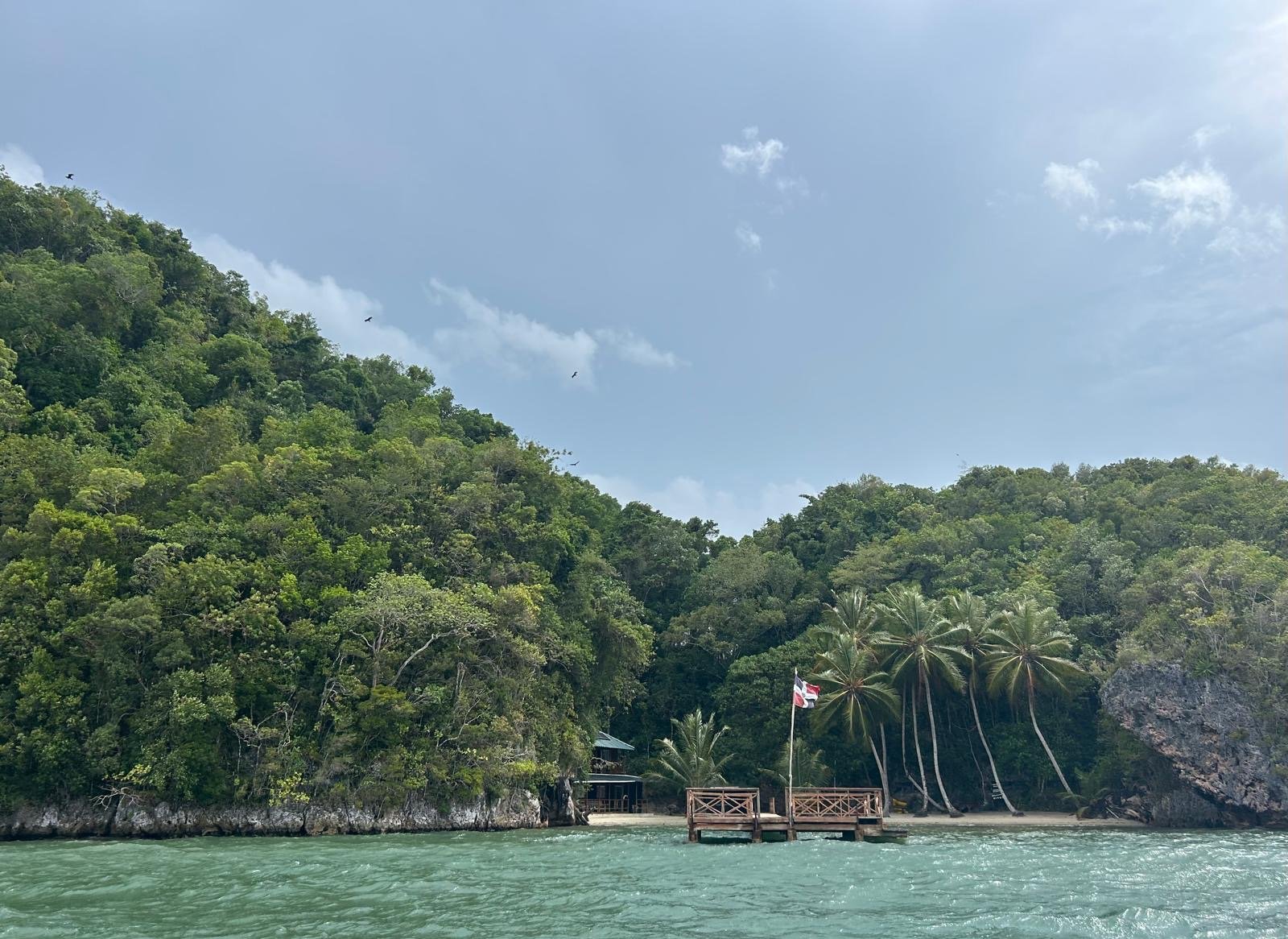
Los Haitises National Park Kayaking Guide: Exploring Mangrove Channels and Wildlife
Los Haitises National Park is famous for its mangrove forests, limestone formations, caves and remarkable tropical biodiversity. While many visitors explore the park on a traditional boat excursion, kayaking can offer a different perspective on its natural waterways.
Moving through a mangrove channel with a paddle allows visitors to experience the landscape at a slower pace. Instead of simply passing through the scenery, you can observe the intricate roots along the water, listen to birds calling from the vegetation and appreciate how the different parts of the ecosystem connect.
For nature enthusiasts and active travelers, a guided kayaking experience can become one of the most memorable ways to discover the aquatic environments associated with Los Haitises.
However, kayaking in a protected national park requires appropriate planning. Routes, access permissions, equipment and weather conditions must be confirmed with an authorized or appropriately operating local provider.
This guide explains what to expect, what you may see, how to prepare and how to enjoy a kayaking experience while respecting the natural environment.
1. Why Is Los Haitises National Park Interesting for Kayaking?
Los Haitises contains a varied landscape of coastal waterways, mangroves, limestone formations and tropical forest. These environments create a distinctive setting for guided water-based exploration.
One of the most interesting features is the mangrove system. Mangrove trees grow in coastal environments influenced by saltwater and changing water levels. Their roots create complex structures along the edges of channels and sheltered waterways.
A kayak is relatively small and can move through suitable narrow channels that larger boats may not be able to navigate comfortably.
This makes guided kayaking an appealing way to experience parts of the mangrove environment.
A kayaking trip may offer opportunities to:
- Observe mangrove roots and vegetation from water level.
- Discover the shape and structure of narrow waterways.
- Listen to birds and other natural sounds.
- Observe wildlife without approaching it unnecessarily.
- Appreciate the connection between mangroves and nearby coastal habitats.
- Learn about the park's ecology from a knowledgeable guide.
Not every part of Los Haitises is suitable or open for kayaking. The actual route depends on permitted access, local conditions and the specific excursion.
2. Understanding the Mangroves of Los Haitises
Mangroves are among the most important ecosystems in tropical coastal regions.
They are made up of salt-tolerant trees and shrubs that grow in areas where land and water meet. Their roots are adapted to conditions that many other plants cannot tolerate.
In Los Haitises, mangrove habitats form part of the wider coastal ecosystem. They are important for wildlife and help maintain the ecological balance of the surrounding waterways.
Mangrove roots
One of the most recognizable features of a mangrove forest is its complex root structure.
Depending on the species, roots may extend above or below the water and create sheltered spaces among the vegetation.
These structures can provide habitat and shelter for small aquatic animals and other organisms.
A nursery for aquatic life
Mangrove environments can provide important nursery habitat for fish and other marine and coastal species.
Young animals may use the protected root systems as places to feed and find shelter.
This ecological function connects mangroves with nearby seagrass beds, estuaries and coastal waters.
Protection for the coastline
Mangrove roots help stabilize sediment and can reduce the force of water movement along sheltered coastlines.
They also contribute to the resilience of coastal ecosystems.
When you kayak through a mangrove channel, you are moving through an environment that performs several important natural functions beyond providing attractive scenery.
3. What Is a Kayaking Tour in Los Haitises Like?
The details vary between operators, but a guided kayaking excursion generally involves an introduction to the activity, safety instructions and a route through a suitable waterway.
Some advertised experiences combine kayaking with hiking or a boat transfer. Others focus more directly on exploring mangrove channels.
A possible experience may include the following stages.
Meeting your guide
Your excursion begins at the meeting location confirmed by the operator.
The guide should explain the route, approximate duration, safety procedures and equipment arrangements.
Ask whether the meeting point is near Caño Hondo, Sabana de la Mar or another agreed departure location. Do not assume every kayaking tour starts from the same place.
Receiving kayaking equipment
Before entering the water, participants should receive appropriate equipment and instructions.
Depending on the excursion, this may include:
- A kayak.
- A paddle.
- A properly fitted life jacket.
- Other safety equipment required by the operator.
Ask whether kayaks are single or tandem models and whether beginners receive an introductory lesson.
Entering the mangrove waterways
Once the group is ready, the guide leads participants along the planned route.
The pace should allow everyone to remain comfortable and maintain a safe distance from other kayaks.
Rather than paddling quickly, take time to observe the environment.
Learning about the ecosystem
A knowledgeable guide can explain the importance of the mangroves, identify visible plants and describe the wildlife that may use the habitat.
The experience becomes more interesting when visitors understand why the mangrove forest matters, not just how it looks.
4. Wildlife You May Observe While Kayaking
Los Haitises is known for its birdlife and varied coastal habitats.
Kayaking can provide opportunities to observe wildlife from a low position on the water. However, animals are naturally unpredictable, and sightings are never guaranteed.
Depending on the route, habitat and season, visitors may have opportunities to observe:
Herons and egrets
These wading birds are associated with wetlands and shallow coastal waters.
They may be seen standing near the water's edge, searching for food or resting among vegetation.
Pelicans
Brown pelicans are recognizable coastal birds. They are often associated with bays and coastal waters, where they search for fish.
Frigatebirds
Magnificent frigatebirds are large seabirds with distinctive silhouettes. They can sometimes be seen flying above coastal waters.
Kingfishers
Kingfishers are adapted to hunting near water. Their presence depends on habitat and local conditions, so sightings should not be expected on every trip.
Fish and small aquatic animals
The mangrove channels support a variety of aquatic life. Some animals may be visible in shallow water or near the roots, although many remain hidden.
The best wildlife observation comes from patience and quiet movement. Avoid chasing animals or paddling close to nests and resting sites.
5. Kayaking Versus a Traditional Boat Tour
Both kayaking and conventional boat excursions can help visitors experience Los Haitises, but they provide different experiences.
FeatureKayakingTraditional boat tourMovementPaddled by participantsOperated by boat crewPaceUsually slower and more activeDepends on itineraryWater accessSuitable channels onlyCan cover broader routesPhysical effortRequires paddlingUsually less physical effortWildlife observationQuiet, close-to-water perspectiveWider sightseeing perspectiveGroup experienceOften smaller groupsCan accommodate larger groups
Kayaking may suit travelers who enjoy outdoor activity and want to explore at a slower pace.
A traditional boat excursion may be more suitable for visitors who prefer to sit back, travel between several locations or avoid physical exertion.
Neither option is automatically better. Choose according to your interests, fitness, comfort on the water and the actual route offered.
6. Can Beginners Go Kayaking in Los Haitises?
Some guided kayaking experiences are marketed to people without previous kayaking experience.
For example, current tour listings advertise guided kayaking and combined hiking-and-kayaking experiences in the Los Haitises area. However, beginner suitability depends on the particular route, equipment, weather and operator's safety arrangements.
Before booking, ask:
- Is previous kayaking experience required?
- Will the guide provide basic paddling instructions?
- Are tandem kayaks available?
- How long will participants be on the water?
- Is the route sheltered or exposed?
- What happens if someone becomes tired?
- Are life jackets provided in appropriate sizes?
Even on a guided trip, participants should be comfortable following instructions and spending time on the water.
If you are unsure about your ability, explain your concerns to the operator before confirming your reservation.
7. How Physically Difficult Is Kayaking?
Kayaking requires some physical effort, especially when paddling for an extended period.
The difficulty depends on several factors:
- The length of the route.
- Water and weather conditions.
- The type of kayak.
- Your paddling experience.
- The number and length of rest stops.
- Whether kayaking is combined with hiking.
Some excursions combine a forest hike with a kayaking route. These trips involve more physical activity than kayaking alone.
A published regional tourism catalogue describes a guided kayak experience in Los Haitises with a medium difficulty level. Its listed programme includes a boat transfer and paddling through mangrove channels. This is an example of a particular tour concept, not a universal difficulty rating for all routes.
Choose an experience that matches your fitness and ask the organizer for an honest description of the physical requirements.
8. Can You Combine Kayaking With Hiking?
Yes. Some advertised experiences combine a guided forest walk with kayaking through mangrove channels.
This format gives visitors an opportunity to explore two different environments during the same excursion.
Forest exploration
A guided hike can introduce visitors to the humid tropical forest, vegetation and natural features of the park.
A guide may explain the relationship between forest habitats, freshwater sources and nearby coastal environments.
Mangrove kayaking
After the walking portion, the group may continue by kayak through suitable mangrove waterways.
This creates a contrast between exploring the forest on foot and observing the coastal ecosystem from the water.
San Lorenzo Bay scenery
Some advertised combined routes include views of San Lorenzo Bay and the surrounding limestone landscape.
Confirm whether your specific tour includes this area. Routes and access arrangements can differ.
A combined hike-and-kayak excursion may be particularly appealing to visitors who want a more active nature experience rather than a short sightseeing trip.
9. What Should You Bring for Kayaking?
Preparation helps make a water-based excursion more comfortable.
Consider bringing:
Lightweight clothing: Choose clothing suitable for warm tropical weather.
Sun protection: Bring sunscreen, sunglasses and a hat. Parts of the journey may be exposed to direct sunlight.
Waterproof protection: Protect your phone, camera and other valuables from water.
Suitable footwear: Ask the operator what footwear is best for entering and leaving the kayak and for any walking sections.
Insect repellent: Mosquitoes and other insects may be present around tropical wetlands.
Drinking water: Confirm whether water is provided. Bring additional water if permitted and necessary.
Personal medication: Carry any medication you normally need during outdoor activities.
A change of clothes: This can be useful if your clothing becomes wet during the activity.
Avoid bringing unnecessary valuables or large bags.
10. Safety Tips for Kayaking in a Protected Natural Area
Safety should always come before sightseeing.
Before entering the water, listen carefully to the guide's instructions and make sure you understand how to use the equipment.
Important precautions include:
- Wear a properly fitted life jacket.
- Stay with the group.
- Maintain a safe distance from other kayaks.
- Follow the guide's route.
- Do not enter restricted channels.
- Avoid paddling close to wildlife.
- Do not attempt to stand in unfamiliar water.
- Inform the guide if you feel tired or uncomfortable.
- Follow instructions if weather conditions change.
Do not assume that all mangrove channels are calm or equally suitable for beginners. Water levels, currents, wind and weather can influence conditions.
If the guide decides that the route is unsuitable, respect the decision.
11. Responsible Kayaking: Protecting the Mangroves
Mangrove forests are sensitive natural environments. Responsible kayaking helps reduce unnecessary disturbance.
A kayak can move quietly, but quiet movement does not automatically make every action environmentally harmless.
Follow these practices throughout your excursion.
Do not damage mangrove roots
Avoid hitting roots with paddles or using them to pull or push your kayak.
Mangrove roots are living structures that support the ecosystem.
Keep a respectful distance from wildlife
Do not chase birds, approach nests or attempt to touch aquatic animals.
Allow wildlife to move naturally.
Never leave rubbish behind
Bring all waste back with you.
Even small pieces of plastic can become a hazard for aquatic animals.
Keep noise low
Avoid shouting, playing loud music or making unnecessary noise.
Quiet observation makes it easier to notice wildlife and reduces disturbance.
Follow designated routes
Do not enter narrow or restricted waterways without permission.
Your guide should determine which routes are suitable and permitted.
Do not collect natural objects
Leave plants, shells, rocks and other natural materials where they belong.
The objective is to observe and appreciate the ecosystem, not remove parts of it.
12. Best Time for a Kayaking Experience
Kayaking depends heavily on local weather and water conditions.
Rather than assuming that one month guarantees ideal conditions, check with your tour provider before booking.
Ask whether the route is operating on your intended date and whether seasonal conditions may affect access.
Consider the following factors:
Rain: Tropical rain can occur at different times of the year. Light rain does not automatically mean a trip will be cancelled, but thunderstorms or unsafe conditions may require changes.
Wind: Strong winds can make paddling more difficult and affect the safety of exposed waterways.
Water levels: Changes in water levels can influence access to some channels.
Visibility: Cloud cover and light conditions can affect photography and wildlife observation.
Wildlife activity: Animals may be easier to observe at certain times, but sightings cannot be guaranteed.
The best practical approach is to choose a date when the operator confirms that the planned route is suitable.
13. Is Kayaking Suitable for Families?
Kayaking may be an enjoyable family activity, but suitability depends on the age, ability and comfort of each participant.
Before booking, ask:
- What is the minimum participant age?
- Are children allowed in tandem kayaks?
- Are appropriately sized life jackets available?
- How long will the paddling activity last?
- Is there a shorter route?
- Are there any restrictions for non-swimmers?
Parents should consider the entire excursion, not only the kayaking portion. A combined trip may also include boat transfers, walking and extended time outdoors.
Children must follow the guide's instructions and remain under adult supervision.
14. How to Choose a Guided Kayaking Tour
Not all advertised kayaking trips are identical.
Some focus mainly on mangroves, while others combine paddling with hiking, cave visits or boat transportation.
Before booking, compare the following details:
Booking detailWhat to confirmRouteWhich mangrove channels or park areas are visited?DurationHow long are you actually kayaking?GuideIs a qualified local guide accompanying the group?EquipmentAre kayaks, paddles and life jackets included?Group sizeHow many participants will join?TransfersIs transportation to the launch point included?Park feesAre applicable entrance fees included?Food and drinksAre refreshments or lunch provided?WeatherWhat happens if conditions are unsuitable?Physical requirementsIs the activity suitable for beginners?
Do not rely only on photographs or a tour title. Read the actual itinerary and confirm what is included in the booking.
15. A Sample Kayaking Day in Los Haitises
The following is an illustrative outline, not a guaranteed operator schedule.
Arrival and briefing
Meet the guide at the confirmed location. Receive instructions and check the equipment.
Transfer to the launch area
If the tour requires a boat transfer or other transportation, follow the operator's arrangements.
Mangrove exploration
Begin paddling through the permitted channels. Observe the roots, vegetation and surrounding wildlife.
Rest and interpretation
Take a break if the route allows. Listen to the guide's explanations about the mangrove ecosystem.
Return journey
Follow the guide back to the agreed landing point.
Optional additional activities
If included in the specific excursion, continue with a forest hike, another natural stop or a meal.
The actual order and duration of these activities vary by operator and conditions.
16. Why Kayaking Adds a Different Perspective to Los Haitises
A traditional boat excursion often emphasizes the broad scenery of the park: limestone formations, coastal islands, caves and mangrove landscapes.
Kayaking offers a more active and slower-paced perspective.
You can observe the water from a lower position, notice the structure of the roots and experience the narrow waterways at paddling speed.
It also encourages visitors to pay attention to the small details of the environment.
The experience is not about reaching the greatest number of locations in the shortest time. It is about understanding the natural landscape through direct observation.
For visitors who enjoy outdoor activities, this can be a rewarding way to appreciate the ecological diversity of Los Haitises.
Frequently Asked Questions
Can you kayak in Los Haitises National Park?
Guided kayaking experiences are advertised for the Los Haitises area, including mangrove routes and combined hiking-and-kayaking excursions. Confirm the current permitted route and operating arrangements with the provider before booking.
Do I need kayaking experience?
Some guided experiences are marketed to beginners, but suitability depends on the route and conditions. Ask whether basic instruction and appropriate equipment are provided.
How long does kayaking take?
Duration varies by excursion. Some combined experiences advertise approximately two hours of kayaking, while other tours may offer shorter or longer paddling sections. Confirm the actual time on the water.
What wildlife can I see while kayaking?
Depending on the route and conditions, you may observe coastal birds, fish and other wildlife associated with mangrove habitats. Sightings are never guaranteed.
Is kayaking better than a boat tour?
The two activities provide different experiences. Kayaking is more active and offers a slower perspective on suitable narrow waterways. A traditional boat tour may cover broader areas with less physical effort.
Is kayaking safe for beginners?
A guided excursion with suitable equipment and safety instructions can be appropriate for some beginners. Always confirm the physical requirements, route conditions and safety arrangements.
Can children participate?
That depends on the operator's age restrictions, kayak arrangements and safety equipment. Confirm whether children can participate and whether suitable life jackets are available.
Can I combine kayaking with hiking?
Some advertised excursions combine guided forest hiking and mangrove kayaking. Check the itinerary to confirm the walking distance, paddling duration and difficulty.
What should I wear?
Wear lightweight clothing, suitable footwear and sun protection. A waterproof bag for electronics is useful. Ask the operator for footwear recommendations if hiking is included.
What happens if the weather is bad?
The operator may adjust, postpone or cancel the activity if conditions are unsuitable. Check the cancellation and rescheduling policy before booking.
Final Thoughts
Kayaking in Los Haitises National Park offers an opportunity to experience the mangrove environment from a different perspective. The quiet movement of a kayak, the intricate structure of mangrove roots and the possibility of observing coastal wildlife make this activity especially appealing to nature lovers.
A responsible guided excursion also provides an opportunity to learn about the importance of mangroves and the ecosystems they support.
Before booking, confirm the route, operating conditions, safety equipment and exact inclusions. Follow your guide, respect wildlife and leave the environment undisturbed.
If you want to experience Los Haitises beyond a conventional sightseeing boat ride, a guided kayaking adventure may be an excellent addition to your park visit.
Plan your kayaking experience: Explore the available guided Los Haitises excursions, compare their actual itineraries and confirm that the kayaking route and safety arrangements suit your group.
Local explorer & expert guide in Birding Dominican Republic.


