Hispaniolan Trogon in Los Haitises: The Island's Colorful Forest Bird
The Dominican Republic is home to many remarkable native birds, but few are as visually distinctive as the Hispaniolan trogon (Priotelus roseigaster). Its green upperparts, gray breast, bright red belly and long patterned tail make it one of the most memorable birds of Hispaniola.
This species belongs to the trogon family, a group of forest birds found in tropical and subtropical regions. It is native to Hispaniola, the Caribbean island shared by the Dominican Republic and Haiti. In Haiti, it is also recognized as the national bird.
Los Haitises National Park appears in bird checklists that include the Hispaniolan trogon. However, there is an important detail for visitors: records from the park may represent birds wandering from the northern mountain range rather than a permanent local population. Understanding this distinction helps travelers appreciate the bird without assuming that it is easy to find there.
This guide covers the trogon's appearance, habitat, behavior, diet, nesting and conservation, along with practical tips for responsible birdwatching.
What Is the Hispaniolan Trogon?
The Hispaniolan trogon is a bird in the family Trogonidae. Its scientific name is Priotelus roseigaster. It is also known as the Hispaniolan cacos or, in some Dominican Spanish references, papagayo.
It is endemic to Hispaniola, meaning its natural range is restricted to this island. It is one of the Caribbean's distinctive native forest birds and is closely associated with wooded environments.
Unlike parrots and parakeets, the Hispaniolan trogon belongs to a completely different bird family. Its rounded body, relatively short bill and long tail give it a different appearance and style of movement.
The species is especially interesting because it combines vivid colors with a quiet forest lifestyle. A bird may remain perched among branches for some time, making careful observation more useful than simply walking quickly through the forest.
How to Identify a Hispaniolan Trogon
The Hispaniolan trogon has a distinctive combination of colors that can help birdwatchers identify it.
1. Green upperparts
Its back and upper body are dark green. This coloring blends into the surrounding vegetation and can make the bird difficult to notice when it is perched among leaves.
2. Bright red belly
The vivid red or scarlet belly is one of its most recognizable features. The contrast between the red underside and green back makes the species particularly striking.
3. Gray throat and breast
The throat and upper breast are gray, creating a visible transition between the darker head and red belly.
4. Long patterned tail
The tail is long and has contrasting white markings on its underside. When the bird is perched, these patterns may be visible below the branch.
5. Differences between males and females
Male Hispaniolan trogons have fine black-and-white markings on the wing coverts. Females have less patterned wings.
Both sexes share the distinctive red belly and general body shape.
The combination of these features makes the Hispaniolan trogon relatively unmistakable among the birds native to Hispaniola.
Where Does the Hispaniolan Trogon Live?
The Hispaniolan trogon is mainly associated with forest habitats, particularly humid mountain forests.
Its known distribution includes several mountain regions of Hispaniola, such as:
- Sierra de Bahoruco.
- Sierra de Neiba.
- Cordillera Central.
- Cordillera Septentrional.
- Mountain areas of Haiti, including the Massif de la Hotte and Massif de la Selle.
The species uses broadleaf and pine forests, with mature woodland providing important habitat for feeding, shelter and nesting.
Why forest structure matters
A forest is more than a collection of trees. Different layers provide different resources for birds.
The canopy can offer fruit and shelter, while branches and trunks support insects and other food sources. Mature trees may also contain cavities that are suitable for nesting.
When large areas of forest are cleared, birds can lose several resources at once. This is why protecting complete forest ecosystems is important for the Hispaniolan trogon.
Is the Hispaniolan Trogon Found in Los Haitises?
The Hispaniolan trogon appears in the Avibase checklist for Los Haitises National Park, which includes records of bird species associated with the area.
However, its local status requires careful explanation.
Birdfinding.info notes that records from Los Haitises may involve wandering individuals from the Cordillera Septentrional rather than a resident population in the park.
This means that a checklist entry should not be interpreted as proof that the species is regularly present, breeds there or can easily be seen on a standard excursion.
For visitors, the most accurate approach is to treat the Hispaniolan trogon as a bird of wider Hispaniola whose possible occurrence in the Los Haitises area needs confirmation through recent field observations.
Los Haitises remains valuable for its wider birdlife and varied habitats, but travelers should not book a tour expecting a guaranteed trogon sighting.
What Does the Hispaniolan Trogon Eat?
The Hispaniolan trogon has a varied diet that includes insects, other small animals and fruit.
Its feeding behavior is interesting because it does not depend exclusively on fruit. It can capture insects from vegetation and may also catch them in flight.
Its diet can include:
- Insects and other invertebrates.
- Small lizards.
- Wild fruits.
- Other suitable small food items available in its habitat.
The combination of animal and plant foods allows the species to use different forest resources.
By consuming fruit, the trogon may also contribute to the movement of seeds through its habitat. The extent of this role depends on the plants it eats and how their seeds are handled.
How Does the Hispaniolan Trogon Behave?
The Hispaniolan trogon is a forest bird that can be easier to hear than to see.
A distinctive call
Its vocalization is often described as a rolling, repeated trill. The sound can seem to come from a different direction than the bird's actual position, making it challenging to locate.
Birdwatchers may hear a repeated series of calls before they manage to identify the bird visually.
Listening carefully is therefore an important part of observing this species.
Perching among branches
The trogon may remain perched while watching its surroundings or waiting for feeding opportunities. Its green upperparts provide some camouflage among leaves.
Catching insects
It can capture insects from surfaces or make short movements to catch flying prey. This feeding style is typical of several forest-dwelling insect-eating birds.
Seasonal movements
Some species move between habitats as seasons change. Information about the Hispaniolan trogon indicates that it may use lower-elevation forest or areas near mangroves outside its main breeding period.
This does not mean that every mangrove area is regular trogon habitat. Local records and seasonal conditions matter when describing where the bird can be found.
How Does the Hispaniolan Trogon Nest?
The Hispaniolan trogon nests in cavities in trees. It may use old cavities, including those previously made by other birds such as the Hispaniolan woodpecker.
This relationship illustrates why different forest species can depend on one another.
Woodpeckers create cavities while searching for food or establishing nesting sites. Once a cavity is no longer used by its original builder, it may become available to other cavity-nesting animals.
Mature trees are therefore important even when they do not appear to contain an active nest.
Species information reports a clutch of around two eggs, although detailed observations of the breeding process remain limited.
Visitors should never approach a suspected nest, tap on a tree or attempt to attract a bird for a photograph. Nest disturbance can affect breeding success.
What Threatens the Hispaniolan Trogon?
The most important conservation concern for the species is the condition of its forest habitat.
1. Deforestation
Forest clearing reduces the amount of suitable habitat available to the bird.
The loss of mature broadleaf forest is especially concerning because these forests provide food, shelter and nesting opportunities.
2. Loss of mature trees
The trogon's use of tree cavities makes mature trees particularly valuable.
Removing large trees can eliminate nesting opportunities even if smaller vegetation remains.
3. Forest fragmentation
When continuous forest is divided into smaller patches, birds may have fewer opportunities to move between feeding and breeding areas.
Fragmentation can also make remaining habitat more vulnerable to further disturbance.
4. Hunting and human pressure
Historical conservation references have identified hunting as an additional pressure in parts of the species' range.
The severity of threats can differ between locations, depending on habitat condition and human activity.
What Is the Conservation Status of the Hispaniolan Trogon?
Conservation categories can differ depending on the authority and the date of the assessment.
The Dominican Republic's national fauna Red List published in 2018 included Priotelus roseigaster in the Vulnerable category. That is a historical national assessment, not a statement that the same classification has necessarily been reconfirmed in a newer evaluation.
Some newer online species summaries display different global categories. For accurate publishing, the latest IUCN Red List assessment should be checked directly before stating a current global status.
Regardless of the category used, forest protection remains important. The species depends on suitable wooded habitats, and the loss of mature forest can reduce the places where it feeds and nests.
Why Is the Hispaniolan Trogon Important?
The Hispaniolan trogon is significant for several reasons.
First, it is part of the island's unique biodiversity. Its natural distribution is limited to Hispaniola, making the protection of suitable habitat especially important.
Second, it is a recognizable forest species. Its presence can contribute to people's understanding of the wildlife supported by healthy woodland.
Third, its feeding habits connect it with the wider forest food web. By consuming insects, small animals and fruit, it participates in natural ecological processes.
Finally, it has cultural importance in Haiti, where it is recognized as the national bird.
Protecting the trogon therefore helps preserve both natural heritage and an important part of the island's wildlife identity.
Can Visitors See a Hispaniolan Trogon in the Dominican Republic?
The species can be observed in suitable forest locations in the Dominican Republic, particularly in mountain regions where it is known to occur.
However, not every forest destination offers the same likelihood of a sighting. Los Haitises records require special caution because the bird may be an occasional visitor rather than a regular resident there.
If you are interested in seeing one, consider visiting established birding areas with recent, reliable records and local knowledge.
For any forest visit:
- Bring binoculars.
- Listen for repeated calls.
- Move slowly and quietly.
- Look carefully among branches rather than only at the ground.
- Avoid playing recorded calls to attract birds without appropriate permission.
- Never approach nesting cavities.
- Follow local conservation and protected-area rules.
A good wildlife experience respects the bird's natural behavior and does not depend on forcing a close encounter.
Responsible Birdwatching in Los Haitises
Even when a particular species is difficult to find, Los Haitises offers visitors an opportunity to appreciate a diverse natural environment.
Responsible birdwatching helps reduce pressure on wildlife and supports a better experience for everyone.
Visitors should remain on permitted routes, avoid loud noises, carry out their rubbish and follow instructions from authorized guides.
Do not collect feathers, eggs, plants or other natural objects. Avoid entering restricted habitat and do not share sensitive nesting locations publicly.
Most importantly, understand that wildlife observation is unpredictable. A successful nature visit does not require seeing every species on a checklist.
Discover the Forest Wildlife of Hispaniola
The Hispaniolan trogon is a remarkable bird with a distinctive red belly, green back and long patterned tail. Its connection to the forests of Hispaniola makes it an important species for understanding the island's biodiversity.
Although it appears in the Los Haitises bird checklist, its presence there should not be overstated. Records may represent wandering individuals rather than a stable local population.
Learning about the trogon is still valuable for anyone interested in the Dominican Republic's natural heritage. It highlights the importance of mature forests, suitable nesting trees and responsible wildlife observation.
When visiting Los Haitises, enjoy the wider landscape and birdlife while respecting the habitats that native species need to survive.
Frequently Asked Questions
1. What is the scientific name of the Hispaniolan trogon?
Its scientific name is Priotelus roseigaster.
2. What does a Hispaniolan trogon look like?
It has green upperparts, a gray throat and breast, a bright red belly and a long tail with white markings underneath.
3. Is the Hispaniolan trogon native to the Dominican Republic?
Yes. It is endemic to Hispaniola, the island shared by the Dominican Republic and Haiti.
4. Is the Hispaniolan trogon the same as a parrot?
No. It belongs to the trogon family, Trogonidae, while parrots belong to the family Psittacidae.
5. Where does the Hispaniolan trogon live?
It mainly inhabits forested mountain regions, including broadleaf and pine forests in Hispaniola.
6. Can I see a Hispaniolan trogon in Los Haitises?
It appears in the park's bird checklist, but records may involve wandering birds from the nearby northern mountain range. A regular or guaranteed sighting should not be assumed.
7. What does the Hispaniolan trogon eat?
It eats insects, other small animals such as lizards, and fruits.
8. Where does it build its nest?
It nests in tree cavities and may use old cavities made by other birds, including woodpeckers.
9. Why is forest protection important for this bird?
Forests provide food, shelter and mature trees with suitable nesting cavities. Deforestation and fragmentation can reduce these resources.
10. What is the Hispaniolan trogon called in Haiti?
It is recognized as Haiti's national bird and is known locally by names including kanson wouj.
Explore Los Haitises Responsibly
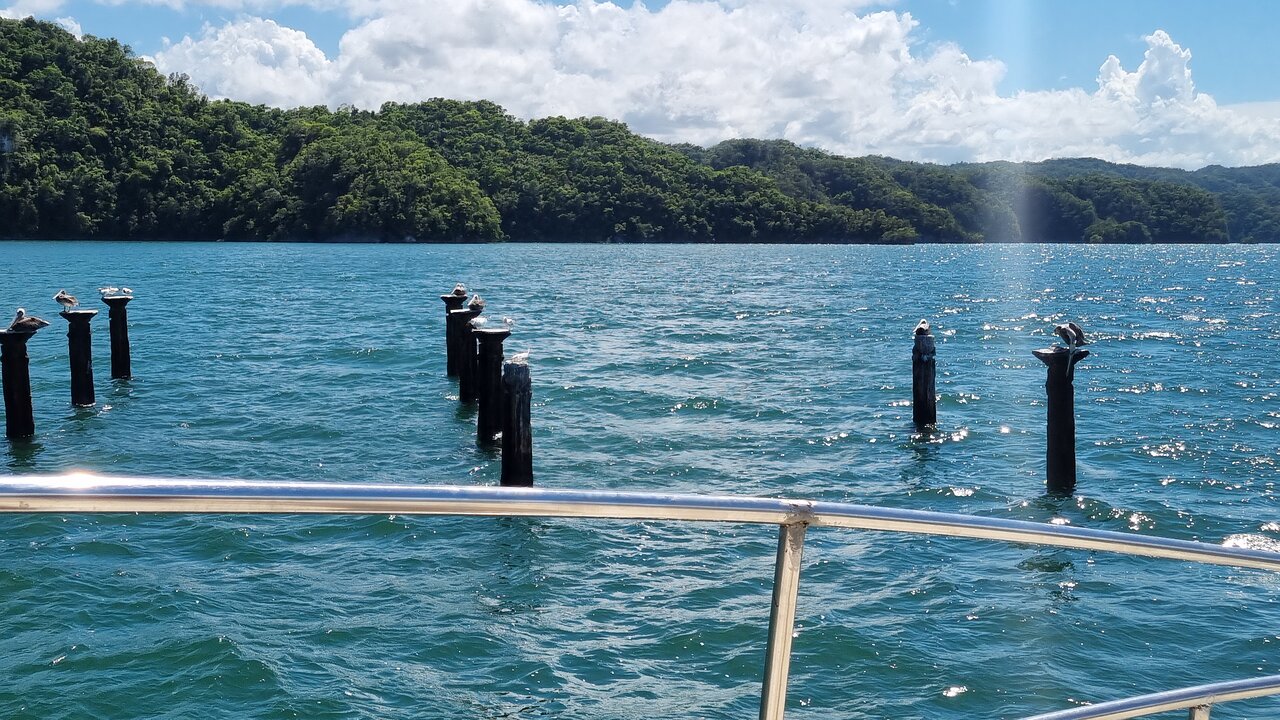
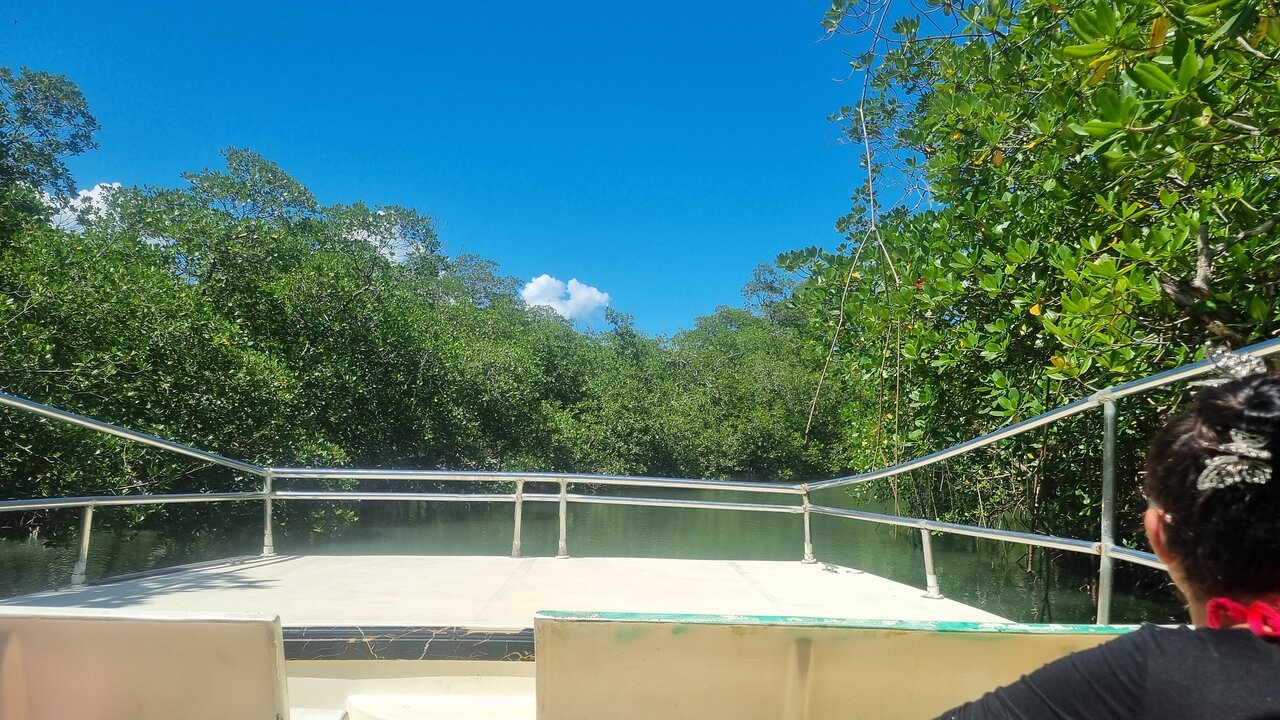
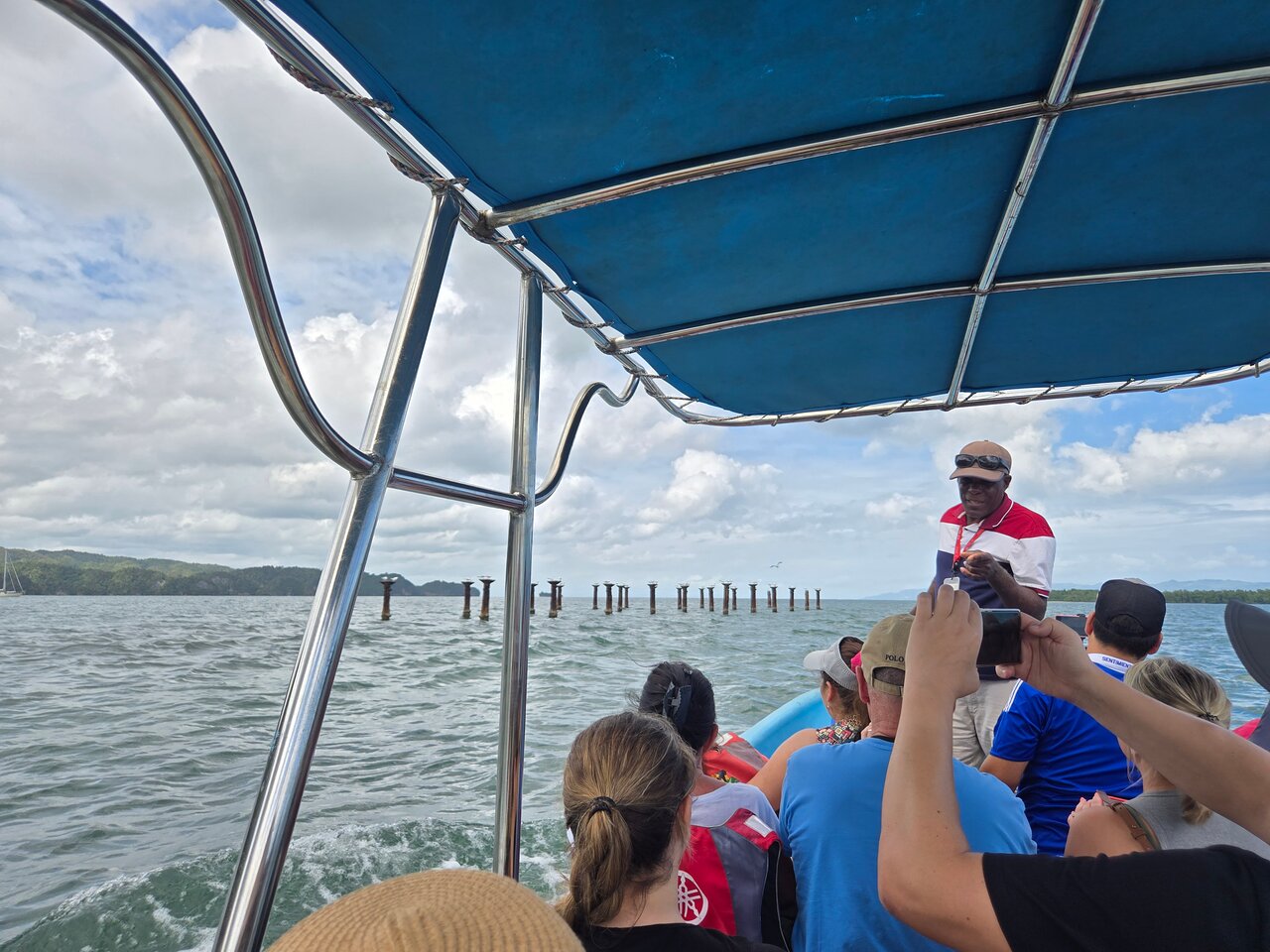
Los Haitises National Park is known for its natural landscapes, mangroves, caves and varied wildlife. A visit offers an opportunity to learn about the Dominican Republic's ecosystems while respecting their ecological importance.
Before arranging an excursion, confirm current routes, access conditions and available services with the operator.
Discover Los Haitises: Visit LosHaitisesParkTours.com for destination information and available nature-tour options.
Local explorer & expert guide in Birding Dominican Republic.