Saona Island Boat Excursions and Seasickness: Practical Tips for a More Comfortable Journey
A boat excursion to Saona Island is an exciting part of many Dominican Republic holidays. Travellers look forward to the Caribbean scenery, beautiful beaches and time on the water. However, some visitors have one concern before departure: seasickness.
Motion sickness can affect people travelling by boat, even if they do not usually feel unwell in cars or buses. For some, it begins with mild discomfort. Others may experience nausea, dizziness, sweating or vomiting.
The good news is that a little preparation and a few practical habits may make the journey more comfortable. This guide explains how to prepare for a Saona Island boat excursion, what to do onboard and how to manage discomfort responsibly.
1. Why Can a Boat Journey Cause Seasickness?
Motion sickness happens when the movement your body senses does not match what your eyes see. On a moving boat, your inner ear detects changes in movement while your eyes may be looking at a relatively stable part of the boat.
This difference in sensory information can make some passengers feel unwell.
Common symptoms include:
- Nausea or an unsettled stomach.
- Dizziness.
- Sweating or feeling cold.
- Headache.
- Feeling unusually tired.
- Vomiting in more severe cases.
Not everyone experiences these symptoms. Some passengers can enjoy a boat journey without difficulty, while others may be more sensitive to movement.
The type of boat, sea conditions, journey duration and individual sensitivity can all influence how comfortable the trip feels.
2. Prepare Before Your Saona Island Excursion
Preparation is useful, especially if you already know that boat journeys sometimes make you feel sick.
Understand the boat arrangements
Before your excursion, ask the operator what type of boat is planned and how long the journey is expected to take.
Some excursions use speedboats, while others include catamarans or a combination of different transport. The movement and seating experience can vary.
Do not assume that every Saona Island tour has the same boat arrangements. Check the details of your own booking.
Get enough rest
Try to sleep adequately before your excursion. Beginning the day tired or uncomfortable may make it harder to enjoy a long outing.
Prepare your belongings the evening before so you are not rushing before departure.
Think about medication in advance
If you have previously experienced motion sickness, speak with a pharmacist or healthcare professional before the trip.
Some medicines used for motion sickness can cause drowsiness or other side effects. The right choice depends on your age, health, other medicines and individual circumstances.
Ask when a recommended product should be taken. Many preventive medicines work best before travelling rather than after symptoms begin.
Do not take someone else's medicine or experiment with an unfamiliar product immediately before boarding.
3. Choose a Comfortable Position on the Boat
Where you sit can influence how much movement you feel.
General motion-sickness guidance often recommends sitting near the middle of a boat, where movement may be less noticeable than at the front or rear.
If seating is available, consider these tips:
- Ask the crew whether a middle seating position is available.
- Choose a position where you can see the horizon.
- Keep your head relatively still.
- Sit comfortably and avoid unnecessary movement.
- Follow the crew's instructions about where passengers may sit.
Do not move to a restricted area or change seats while the boat is moving unless the crew says it is safe.
4. Look at the Horizon Instead of Your Phone
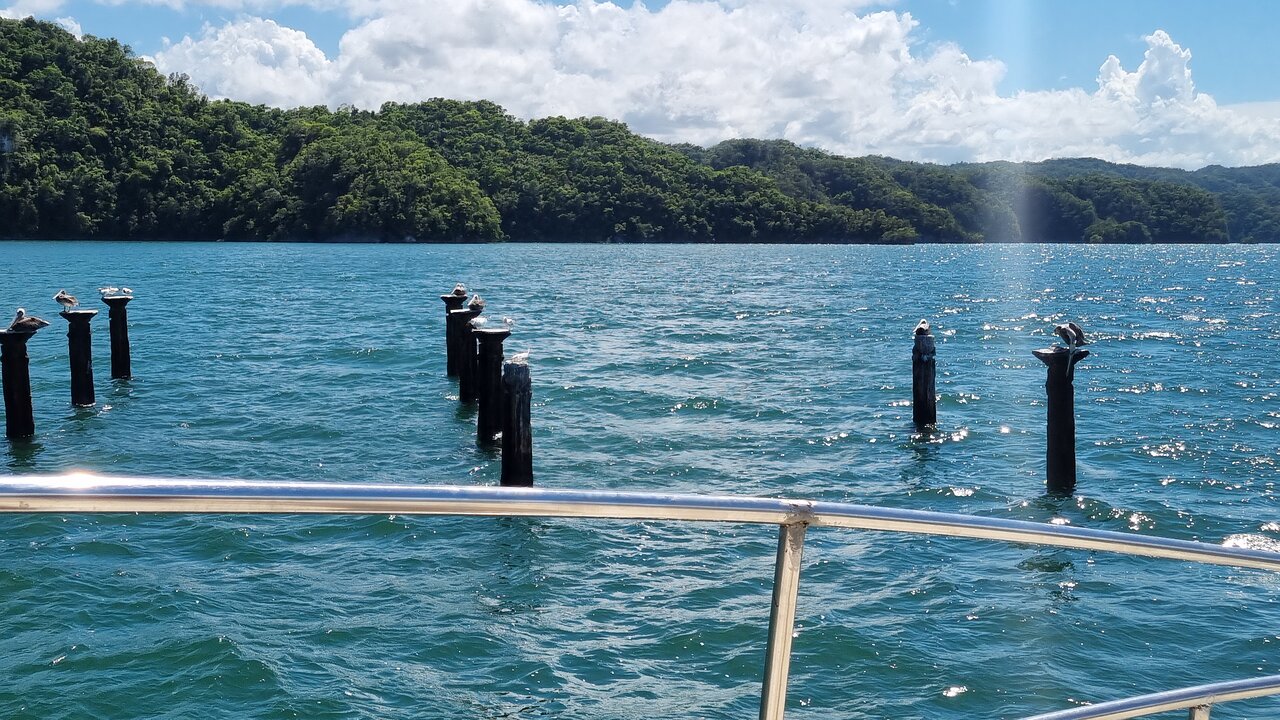
One practical way to reduce motion-related discomfort is to look at a distant, stable point.
On a boat, the horizon can provide a useful visual reference. It helps your eyes receive information that is more consistent with the movement your body senses.
During the journey:
- Look toward the distant horizon when possible.
- Avoid reading books or small text.
- Limit phone scrolling.
- Avoid watching videos while the boat is moving.
- Do not continuously look at nearby moving waves.
If you need your phone for an important booking detail, use it briefly and then return your attention to the surroundings.
For travellers who enjoy photography, it may be more comfortable to take pictures in short periods rather than constantly looking through a camera screen.
5. Get Fresh Air When Possible
Fresh air can make a boat journey more comfortable for some passengers.
If the boat has an appropriate open-air passenger area, and the crew permits you to use it, spending time there may help.
However, always follow the crew's instructions. Do not stand in unsafe locations, lean over railings or move around while the boat is underway without permission.
If strong smells make you feel uncomfortable, try to move away from them when it is safe to do so.
6. Eat Lightly Before Travelling
Your eating habits before departure can influence how comfortable you feel.
A very heavy meal immediately before a boat journey may be unpleasant for some travellers. Travelling on an empty stomach can also make some people feel uncomfortable.
Consider these practical habits:
- Eat a light, familiar meal before departure.
- Avoid foods that you already know upset your stomach.
- Avoid excessive amounts of greasy or spicy food.
- Do not drink alcohol before or during the journey.
- Keep suitable light snacks available if permitted.
You do not need to skip breakfast to prepare for a boat excursion. Choose something that normally agrees with you.
7. Stay Hydrated Throughout the Excursion
Spending time in the Caribbean sun and moving around during a day trip can make hydration important.
Carry drinking water if the tour arrangements allow it, and drink regularly rather than waiting until you feel very thirsty.
If you experience vomiting, dehydration can become a concern. Tell the crew if you feel significantly unwell and seek appropriate medical assistance when necessary.
Avoid assuming that alcoholic drinks are a good way to relax during the boat journey. Alcohol can make travel discomfort worse for some people.
8. What to Do If You Start Feeling Seasick
If discomfort begins during the journey, respond early rather than trying to ignore it.
You can try the following:
- Stop reading or using your phone.
- Look toward the horizon if possible.
- Keep your head as still as you comfortably can.
- Breathe slowly and calmly.
- Get fresh air if the crew permits.
- Take small amounts of water if you can tolerate it.
- Tell a crew member that you are feeling unwell.
Do not feel embarrassed about telling the crew. They need to know if a passenger is uncomfortable, especially if symptoms become more serious.
If you vomit repeatedly, become very weak, feel faint or have symptoms that seem unusual or severe, ask for medical help.
9. Travelling With Children Who Experience Motion Sickness
Children can also experience motion sickness during boat trips.
Parents should prepare in advance rather than waiting until the child becomes uncomfortable.
Helpful steps include:
- Explain the journey in simple language.
- Choose an appropriate seat with the crew's guidance.
- Encourage the child to look toward the distant horizon.
- Avoid prolonged screen use.
- Bring water and suitable familiar snacks.
- Keep spare clothing and basic supplies available.
- Watch for early signs of discomfort.
Children's motion-sickness medicines require special care. Do not give a child an adult medicine or estimate a dose. Ask a qualified healthcare professional about suitable options for the child's age and circumstances.
Some medicines can cause drowsiness, while others may produce unexpected reactions in children.
10. Should You Choose a Speedboat or Catamaran?
Visitors sometimes wonder whether one type of boat is automatically better for people who experience seasickness.
There is no universal answer. Comfort depends on the vessel, its movement, sea conditions, passenger position and individual sensitivity.
When comparing excursion options, consider asking:
- What type of boat is used for each journey?
- How long is the boat portion expected to take?
- Are passenger seating arrangements different?
- Is there an open-air seating area?
- Can passengers choose a seat, or is seating assigned?
- Are there any important accessibility or comfort considerations?
Do not rely only on the boat's appearance or the name of the vessel. Ask the operator about the actual arrangement for your departure.
11. Pack a Small Boat-Comfort Kit
A few simple items can help you feel more prepared.
Consider carrying:
- Drinking water.
- Tissues.
- A small towel.
- A spare shirt.
- A sealable bag for personal belongings.
- Suitable light snacks, if permitted.
- Any medicine recommended for you by a healthcare professional.
- Sunglasses and sun protection.
Keep the kit compact and easy to access. Do not pack items that could become loose or interfere with the boat's safety arrangements.
12. Enjoy the Island Once You Arrive
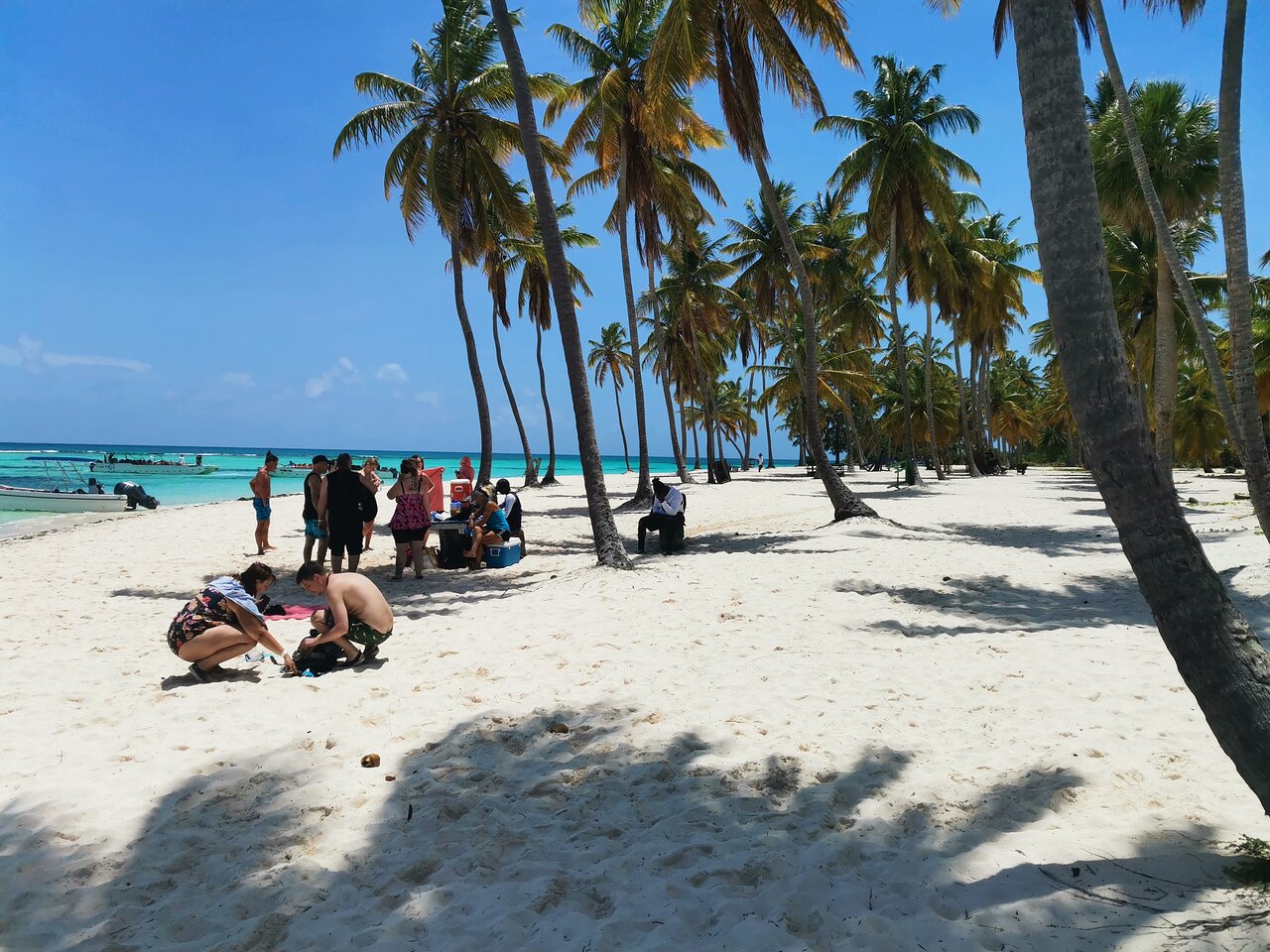
The boat journey is only one part of the excursion. Once you arrive, you may have opportunities to enjoy the beach, take photographs, relax and participate in activities included in your tour.
If you experienced motion sickness during the journey, take a moment to recover before joining physically demanding activities.
Follow the guide's instructions, drink water and avoid rushing. If you still feel unwell, tell the tour staff rather than forcing yourself to participate.
Remember that the return journey is also part of the excursion. Keep your comfort supplies accessible and use the same preparation habits when travelling back.
Frequently Asked Questions
Can you get seasick on a Saona Island boat tour?
Yes. Motion sickness can happen on any type of boat journey. Individual sensitivity, vessel movement and sea conditions can influence how someone feels.
Where should I sit on a boat if I experience seasickness?
General guidance often recommends sitting near the middle of the boat and looking toward the horizon. Follow the crew's seating and safety instructions.
Should I take motion-sickness medicine before a Saona Island excursion?
If you regularly experience motion sickness, ask a pharmacist or healthcare professional whether medication is suitable. Some medicines need to be taken before travel and can cause drowsiness or other side effects.
Should I use my phone during the boat journey?
If you are prone to motion sickness, avoid prolonged scrolling, reading or watching videos while the boat is moving. Looking at the horizon may be more comfortable.
Is a catamaran always better than a speedboat for seasickness?
No. Comfort varies according to the vessel, sea conditions, seating and individual sensitivity. Ask the tour operator about the actual boat arrangements.
Can children experience seasickness?
Yes. Children can experience motion sickness too. Parents should prepare suitable supplies and seek professional advice before giving children any medication.
What should I do if I become very sick during the journey?
Tell a crew member immediately. If you have repeated vomiting, faintness, severe weakness or unusual symptoms, seek appropriate medical assistance.
Conclusion
A Saona Island boat excursion should be an enjoyable part of your Dominican Republic holiday. Although seasickness can affect some passengers, preparing in advance may make the journey more comfortable.
Choose a suitable seat, look toward the horizon, limit phone use, eat lightly, stay hydrated and ask a healthcare professional about medication if necessary. Most importantly, communicate with the crew whenever you feel unwell.
With sensible preparation, you can focus more on the Caribbean scenery and the experience waiting for you on Saona Island.

Local explorer & expert guide in Birding Dominican Republic.